


 +919011100010
Bariatric Surgery Treatment in Pune
Obesity is a complex health condition that can influence blood sugar, blood pressure, sleep, joint health, mobility and emotional well-being. For some people, structured dietary changes, physical activity and medical treatment may not provide adequate or lasting weight reduction. In such cases, bariatric surgery may be considered following a detailed medical assessment.
Bariatric surgery, also known as metabolic or weight-loss surgery, changes the digestive system to support meaningful weight reduction and influence appetite and metabolic health. It is not a cosmetic procedure for removing abdominal fat, nor is it a quick solution for weight loss. Successful outcomes require appropriate procedure selection, nutritional guidance, lifestyle changes and continued follow-up.
At DOSS India, people considering bariatric surgery in Pune are evaluated by Dr. Neeraj V. Rayate and Dr. Satish Pattanshetti. The consultation focuses on the person’s weight history, existing health conditions, previous weight-management efforts, nutritional status and readiness for long-term care. Surgery is recommended only when it is considered clinically appropriate for the individual.
Understanding Bariatric and Metabolic Surgery
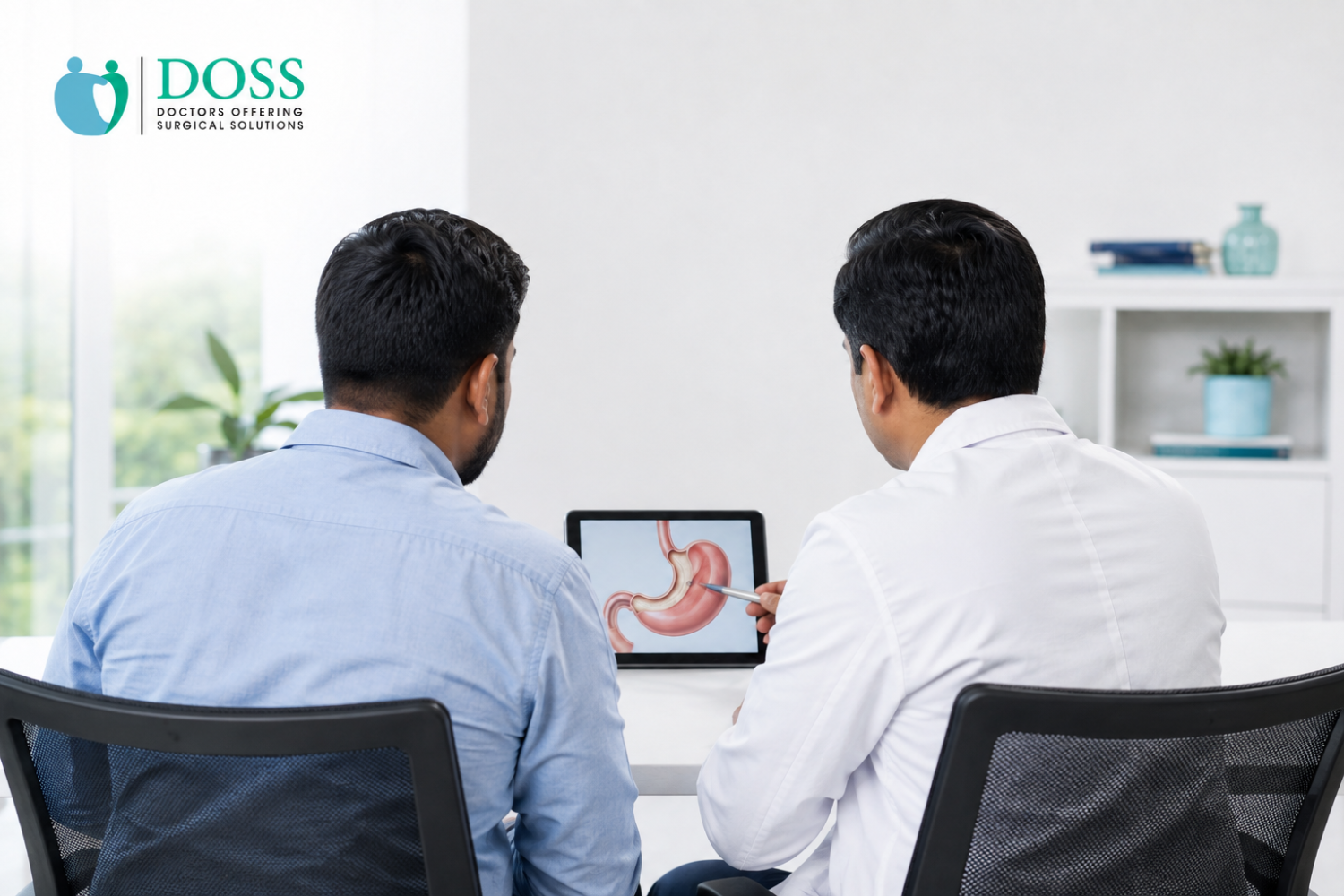
Bariatric surgery includes different procedures that modify the stomach and, in some operations, the route through which food passes in the small intestine. These changes may reduce the amount of food a person can eat comfortably, influence hunger and fullness signals, and support metabolic improvements.
The purpose of surgery extends beyond reducing body weight. For appropriately selected patients, it may also improve the management of conditions associated with obesity, including type 2 diabetes, high blood pressure, sleep apnoea, unhealthy cholesterol levels, fatty liver disease and weight-related joint discomfort.
However, surgery does not replace the need for healthy eating, physical activity or medical monitoring. It works as one part of a long-term obesity-management programme.
Who May Be Considered for Bariatric Surgery?
The decision to consider bariatric surgery should not be based on body weight or BMI alone. According to the 2022 ASMBS and IFSO guidelines, metabolic and bariatric surgery is recommended for individuals with a BMI of 35 or above, regardless of whether obesity-related medical conditions are present. It may also be considered for selected individuals with a BMI between 30 and 34.9 who have metabolic disease or have not achieved lasting improvement through non-surgical treatment.
The guidelines also recognise that assessment thresholds may be lower for Asian populations. Nevertheless, BMI remains a screening measurement and cannot independently determine whether surgery is suitable.
During the consultation, the surgeon considers the duration of obesity, previous weight-loss attempts, eating patterns, medical conditions, medicines, surgical history and overall fitness for anaesthesia. Conditions such as diabetes, sleep apnoea, high blood pressure, fatty liver disease, acid reflux, polycystic ovary syndrome and reduced mobility may influence the treatment plan.
The person must also understand the dietary changes, nutritional supplements and follow-up care that may be required after surgery.
Individual Evaluation at DOSS India
The evaluation for bariatric surgery treatment in Pune begins with a detailed discussion about the patient’s health and weight history. The aim is to understand why previous weight-management methods may not have produced a sustainable result and whether surgery is likely to provide a meaningful clinical benefit.
Blood tests may be advised to evaluate blood sugar, thyroid function, liver health, blood count and nutritional levels. Depending on the person’s symptoms and medical history, additional investigations such as an ECG, abdominal imaging, sleep assessment or upper-GI endoscopy may be required.
Nutritional assessment is another important part of preparation. It helps identify existing deficiencies and allows the patient to understand the dietary stages that follow surgery. Emotional health, eating behaviour, expectations and available family support may also be discussed. Counselling or psychological assessment can be recommended when it may support a safer and more sustainable treatment journey.
Once the evaluation is complete, the surgeon explains the suitable options, their limitations and the possible risks. The final decision is made after an informed discussion with the patient.
Bariatric Surgery Options
Sleeve Gastrectomy
Sleeve gastrectomy involves removing a large portion of the stomach and creating a narrow, tube-shaped stomach. The procedure reduces stomach capacity and may influence appetite-related hormonal signals. Food continues to pass through the digestive system along its usual route because the small intestine is not bypassed. Sleeve gastrectomy is not reversible. Its suitability must be considered carefully in patients with significant acid reflux, previous stomach surgery or certain digestive conditions.
Roux-en-Y Gastric Bypass
During Roux-en-Y gastric bypass, a small stomach pouch is created and connected to a lower part of the small intestine. This changes the amount of food that can be eaten and the way food travels through the digestive system.
Gastric bypass may be considered for selected patients with obesity-related metabolic conditions or significant acid reflux. Because it can affect nutrient absorption, long-term supplements and regular blood-test monitoring are important.
Mini Gastric Bypass
Mini gastric bypass, also called one-anastomosis gastric bypass, creates a small stomach pouch that is connected to the small intestine through a single surgical connection. The operation supports weight reduction through changes in food intake, digestion and metabolic signals.
The procedure may affect the absorption of vitamins, minerals and other nutrients. Its possible benefits must therefore be assessed alongside concerns such as nutritional deficiencies, bile reflux and digestive symptoms.
Revisional Bariatric Surgery
Revisional bariatric surgery may be considered when a previous procedure has led to complications, inadequate weight reduction, significant weight regain or persistent nutritional and digestive problems.
Planning revisional surgery requires a careful review of the original operation, current anatomy, eating patterns, symptoms and overall health. These operations may be more complex than a first bariatric procedure and require individual planning.
Intragastric Balloon
An intragastric balloon is a temporary, endoscopic weight-management option rather than an operation. A balloon is placed inside the stomach to occupy space and support earlier fullness. It is later removed after a defined period.
A gastric balloon may be appropriate for selected individuals, but it must be combined with dietary and behavioural support. Maintaining the result after balloon removal depends substantially on continued lifestyle changes and follow-up.
Choosing the Appropriate Procedure
No bariatric procedure can be described as the best option for every patient. The choice depends on BMI, obesity-related conditions, acid reflux, eating behaviour, previous abdominal surgery, nutritional health and the amount of weight reduction required.
The surgeon also considers the possible effect of each procedure on long-term nutrient absorption and digestive health. A procedure that may be suitable for one person may not be appropriate for another person with a similar BMI.
At DOSS India, the purpose of the consultation is to explain these differences clearly and help the patient make an informed decision rather than promoting one standard operation.
Laparoscopic and Robotic Approaches
Many bariatric operations are performed through a minimally invasive approach using small incisions. Laparoscopic surgery is commonly used and may result in smaller scars and a shorter recovery than traditional open surgery.
Selected procedures may also be performed using robotic-assisted technology. The robotic system does not perform the surgery independently. It is controlled by the surgeon and provides magnified visualisation and a greater range of instrument movement.
The choice between laparoscopic and robotic surgery depends on the planned operation, previous surgery, individual anatomy, clinical complexity and facility availability. Neither approach should automatically be considered suitable for every patient.
Potential Benefits of Bariatric Surgery
For appropriately selected patients, bariatric surgery may support substantial and sustained weight reduction. As weight and metabolic health improve, some patients may also experience better blood-sugar control, reduced blood pressure, improvement in sleep apnoea, reduced joint strain and greater mobility. The degree of improvement differs between individuals. It depends on the type of operation, duration of existing medical conditions, age, nutritional health and adherence to follow-up care.
Bariatric surgery should not be presented as a guaranteed cure for diabetes, infertility, high blood pressure or any other condition. Medicines should only be reduced or discontinued under medical supervision.
Risks and Limitations
Every surgical procedure involves some risk. Possible early complications of bariatric surgery include bleeding, infection, blood clots, anaesthesia-related reactions, dehydration and leakage from a staple line or surgical connection.
Long-term concerns can include acid reflux, ulcers, nutritional deficiencies, anaemia, reduced bone health, gallstones, digestive symptoms and weight regain. Certain procedures may also carry a risk of dumping symptoms, bowel obstruction or internal hernia.
The type and likelihood of these complications vary according to the procedure and the patient’s health. Discussing both benefits and risks before surgery is an essential part of informed consent.
Preparing for Surgery
Preparation may begin several weeks before the planned operation. Patients may be advised to improve blood-sugar or blood-pressure control, correct nutritional deficiencies and follow a specific pre-operative diet. Tobacco use, existing medicines and supplements must also be discussed with the surgical team.
The patient should understand the expected hospital stay, dietary stages, activity restrictions and follow-up schedule before proceeding. Medicines must not be stopped or changed without appropriate medical guidance.
Recovery and Dietary Progression
Hospital stay and recovery time depend on the type of operation and the patient’s overall health. Walking is generally encouraged soon after surgery under the guidance of the treating team.
Food is reintroduced gradually. Patients usually begin with liquids before moving to puréed food, soft meals and carefully selected solid food. The timing of each stage is decided by the bariatric team and should not be rushed.
Hydration, adequate protein intake, prescribed supplements and portion control are particularly important during recovery. The time required to return to work, driving and exercise varies, so patients should wait for clearance from their surgeon.
Fever, increasing abdominal pain, repeated vomiting, chest pain, breathing difficulty, inability to drink fluids or signs of wound infection require prompt medical attention.
Long-Term Follow-Up
Bariatric surgery creates long-term changes that require continued monitoring. Follow-up consultations help evaluate weight reduction, food tolerance, blood-test results, nutritional status and changes in obesity-related conditions.
Many patients require regular vitamin and mineral supplementation. Requirements may include iron, vitamin B12, calcium, vitamin D and other nutrients depending on the operation and test results. Supplements should be taken according to individual medical advice.
Follow-up is also important if weight loss slows, weight begins to return or new digestive symptoms develop. These concerns may be connected with nutrition, eating behaviour, hormonal factors, medicines or anatomical changes.
Women planning pregnancy after bariatric surgery should discuss timing and nutritional preparation with their bariatric surgeon, gynaecologist and dietitian.
Bariatric Surgery Care at DOSS India
DOSS India provides bariatric assessment and treatment planning with Dr. Neeraj V. Rayate and Dr. Satish Pattanshetti.
Dr. Neeraj V. Rayate is a laparoscopic and robotic surgeon with qualifications including MBBS, MS and DNB in Surgery. His professional training includes gastrointestinal, oncological, endoscopic and robotic surgical techniques.
Dr. Satish Pattanshetti is a laparoscopic, bariatric and metabolic surgeon. He completed his MBBS from Seth G.S. Medical College and K.E.M. Hospital, Mumbai, and MS from B.J. Medical College, Pune. His professional training includes fellowships in minimal-access, bariatric and metabolic surgery.
The surgeons work with professionals involved in nutrition, anaesthesia, nursing and counselling when clinically required. This coordinated approach supports patients during evaluation, preparation, surgery and long-term follow-up.
Book An Appointment
Frequently Asked Questions
Is bariatric surgery the same as liposuction?
Which bariatric operation is most suitable?
Can bariatric surgery improve diabetes?
Can weight return after surgery?
How much does bariatric surgery cost in Pune?
Consult DOSS India for Bariatric Surgery in Pune
Bariatric surgery is an important medical decision that should follow a complete evaluation and a clear understanding of the expected lifestyle changes, possible benefits and potential risks.
People considering bariatric surgery in Pune can consult Dr. Neeraj V. Rayate and Dr. Satish Pattanshetti at DOSS India for individual assessment and procedure guidance. The recommendation is based on the patient’s health, previous weight-management efforts and long-term care requirements.
Book a consultation with DOSS India to understand whether bariatric surgery may be an appropriate option for you.
Medical disclaimer: This information is intended for general patient education and does not replace individual medical advice, diagnosis or treatment. Eligibility, procedure selection, recovery and outcomes vary between patients.