


 +919011100010
Weight Loss Balloon Treatment in Pune: A Non-Surgical Option for Weight Management
Managing excess weight can be difficult when repeated diets, exercise plans or short-term weight-loss programmes do not provide an improvement that can be maintained. For selected people, an intragastric balloon may provide additional support by helping them feel full after eating a smaller quantity of food.
A weight loss balloon is a temporary, endoscopic treatment. It does not involve abdominal incisions and does not permanently change the digestive system. However, it is not an effortless or guaranteed method of losing weight. Appropriate nutrition, physical activity, behavioural changes and regular follow-up remain important throughout treatment.
At DOSS India, people considering weight loss balloon treatment in Pune are evaluated by Dr. Neeraj V. Rayate and Dr. Satish Pattanshetti. The consultation considers the person’s weight history, BMI, waist circumference, existing health conditions, eating behaviour and response to previous weight-management methods.
People comparing a gastric balloon with weight loss surgery in Pune can also receive guidance on how these treatments differ and which option may be
What is Weight Loss Balloon Treatment?
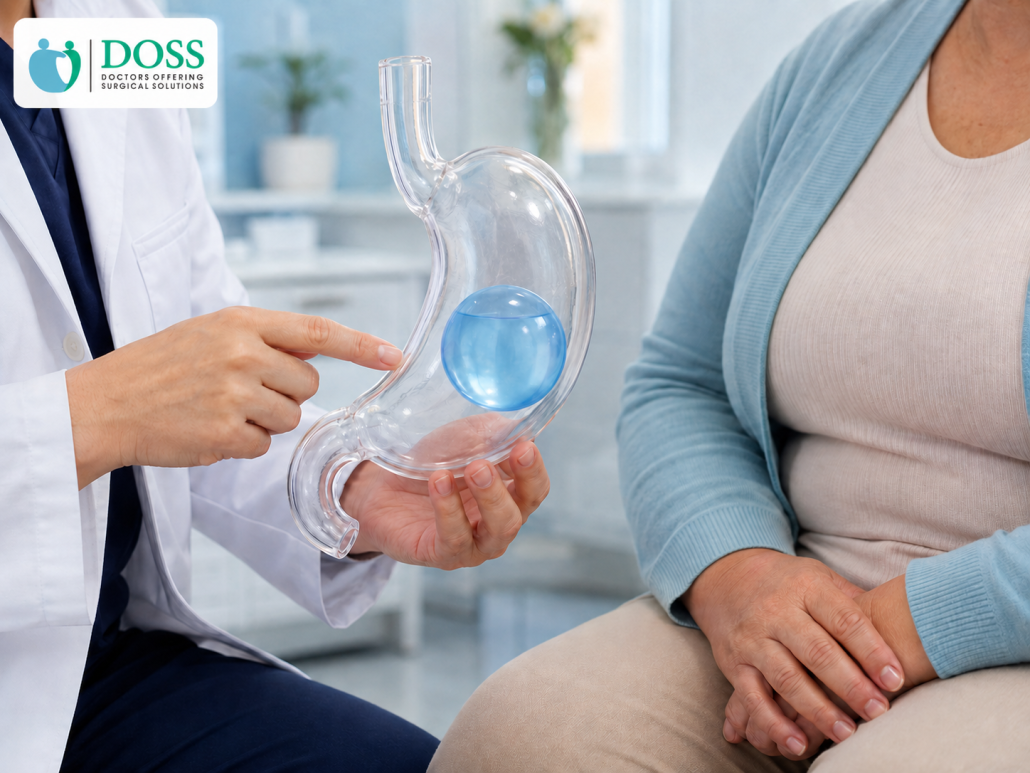
A weight loss balloon, also known as an intragastric or gastric balloon, is a temporary device placed inside the stomach. It occupies part of the available stomach space and may help a person feel full sooner during meals.
For an endoscopically placed balloon, a flexible camera called an endoscope is passed through the mouth and into the stomach. The balloon is positioned under direct visual guidance and filled according to the instructions for the selected device.
Unlike sleeve gastrectomy or gastric bypass, a balloon does not involve removing part of the stomach or changing the route through which food passes in the small intestine. It is therefore classified as an endoscopic weight-management treatment rather than bariatric surgery.
Different balloon systems have different placement methods, eligibility requirements and removal schedules. Some require endoscopic placement and removal, while selected swallowable balloon systems follow a different process. The available device and its suitability should be confirmed during consultation.
How Does a Gastric Balloon Work?
The balloon occupies space inside the stomach and may slow the rate at which the stomach empties. These effects can help some people feel full after eating smaller portions and remain satisfied for longer.
The balloon does not burn fat or permanently change metabolism. Weight reduction occurs when the feeling of earlier fullness is combined with a structured eating plan, appropriate physical activity and changes in eating behaviour.
Results vary considerably. The type of balloon, starting weight, health conditions, food choices, physical activity and participation in follow-up can all influence the response. A fixed number of kilograms should not be promised before treatment.
Who May Be Considered for a Weight Loss Balloon?
A gastric balloon may be considered for selected adults with overweight or obesity who require additional support after previous lifestyle-based weight-management efforts.
It may also be discussed with people who do not currently meet the criteria for bariatric surgery, do not want an operation after understanding the available alternatives or are temporarily unsuitable for surgery.
In certain situations, a balloon may be used as a bridge before another planned procedure. For example, weight reduction before a complex operation may help improve anaesthesia fitness or reduce specific surgical risks. In this situation, the balloon supports preparation and does not necessarily replace the treatment that may eventually be required.
BMI is an important screening measurement, but it should not be used alone. The assessment also considers waist circumference, type 2 diabetes, high blood pressure, fatty liver disease, sleep apnoea, joint problems, mobility, acid reflux and how excess weight affects everyday life.
Who May Not Be Suitable for a Gastric Balloon?
Not everyone with excess weight is an appropriate candidate for balloon treatment. Suitability also depends on the specific balloon system being considered.
A balloon may not be advisable for someone who has undergone certain operations involving the stomach or oesophagus. Active stomach ulcers, significant inflammation, a large hiatus hernia, severe uncontrolled acid reflux or conditions that increase the risk of bleeding may also affect suitability.
Pregnancy, breastfeeding or an immediate pregnancy plan must be discussed. An untreated eating disorder, uncontrolled psychiatric illness, active alcohol or substance dependence or an inability to attend follow-up may make treatment inappropriate.
These are general considerations rather than a complete eligibility checklist. The final decision should follow a detailed consultation, examination and relevant investigations.
Evaluation Before Weight Loss Balloon Treatment
Evaluation begins with a discussion about weight changes over time, previous treatment attempts, eating patterns, physical activity, sleep, stress and treatment expectations.
The surgeon reviews existing medical conditions, prescription medicines, allergies and previous operations. Symptoms such as persistent acidity, difficulty swallowing, abdominal pain, vomiting or previous gastrointestinal bleeding should be discussed.
BMI and waist circumference may be recorded. Blood tests can be advised to assess blood sugar, liver health, thyroid function, blood count and nutritional status. The investigations required depend on the individual’s health and the balloon system being considered.
An upper gastrointestinal endoscopy may be recommended to examine the oesophagus and stomach. This can help identify ulcers, inflammation, reflux-related damage, a hiatus hernia or another condition that may affect placement.
The purpose of the evaluation is not only to decide whether a balloon can be placed. It is also to determine whether it is likely to provide a meaningful benefit compared with medical obesity care or bariatric surgery.
People who want to understand the broader range of available options can read about obesity treatment in Pune.
What Happens Before Balloon Placement?
Patients receive individual instructions about fasting, medicines and preparation before the procedure. Blood thinners, diabetes medicines and supplements should not be stopped or changed without guidance from the treating team.
The expected adjustment period, dietary progression, possible side effects and planned removal date should be discussed before placement. Patients should also understand whom to contact if severe or unexpected symptoms develop.
A nutrition plan may be started before the procedure. The aim is to prepare the patient for the dietary changes that will follow placement and to identify practical difficulties that may affect treatment.
How Is an Endoscopic Gastric Balloon Placed?
For an endoscopically placed balloon, a flexible endoscope is passed through the mouth and into the stomach. Sedation or anaesthesia requirements depend on the selected device, facility and individual patient.
The surgeon examines the stomach before placement. The deflated balloon is then positioned under direct visual guidance and filled according to the device instructions. No incision is made in the abdomen.
Many patients can return home after an appropriate period of observation. However, admission or additional monitoring may be required if the patient has significant medical conditions, develops difficult symptoms or requires further treatment.
Procedure duration and discharge timing vary. They should not be promised before the person has been assessed.
The Early Adjustment Period
Nausea, abdominal cramps, bloating, reflux and vomiting are common during the early period after balloon placement. These symptoms occur because the stomach is adjusting to the presence of the device.
Medicines may be prescribed to manage nausea, acidity and discomfort. Symptoms often improve as the stomach adapts, but the duration and severity differ between patients.
Food is reintroduced gradually. Patients commonly begin with liquids before progressing to other textures according to the treating team’s instructions. Dietary progression should not be rushed because advancing too quickly may worsen nausea, pain or vomiting.
Hydration is particularly important. Persistent vomiting or an inability to drink enough fluids can lead to dehydration and should be reported promptly.
Nutrition and Lifestyle During Balloon Treatment
A gastric balloon does not remove the need for dietary changes. It creates a period during which the patient may find it easier to adjust portions, recognise fullness and develop more sustainable eating patterns.
Nutrition guidance may focus on adequate protein, appropriate portion sizes, hydration, meal timing and food quality. The exact plan should consider medical conditions, nutritional requirements, food preferences and tolerance.
Physical activity should be introduced or increased according to fitness, joint health and medical advice. Someone with knee pain, breathlessness or reduced mobility may require a different activity plan from someone who can exercise comfortably.
Sleep, stress, emotional eating and other behavioural factors may also influence weight. Addressing these concerns can improve the ability to maintain progress after the balloon is removed.
Follow-Up and Balloon Removal
Follow-up is required to monitor symptoms, food tolerance, weight changes and nutritional progress. The diet and physical activity plan may be adjusted as treatment continues.
An endoscopically placed balloon must be removed at the time specified for the particular device. It should not remain in the stomach beyond the recommended period because doing so may increase the risk of deflation, migration or other complications.
Removal generally involves deflating the balloon and retrieving it through the mouth using an endoscope. Sedation or anaesthesia may be used according to the device and clinical requirements.
Selected swallowable balloon systems follow a different process. The exact placement, monitoring and removal or passage instructions should be explained before treatment.
Possible Benefits of Weight Loss Balloon Treatment
A gastric balloon does not require abdominal incisions or permanent changes to the digestive system. This may make it an option for selected people who are not ready or suitable for surgery.
By supporting earlier fullness and smaller portions, the balloon may help initiate meaningful weight reduction. As weight decreases, some patients may notice improvement in mobility, blood-sugar control, blood pressure, sleep or weight-related joint discomfort.
These improvements vary and cannot be guaranteed. Medicines for diabetes, blood pressure or any other condition should only be changed by the medical professional managing that condition.
Another possible benefit is the opportunity to establish more sustainable eating and activity habits while the balloon is present. Maintaining these changes after removal is essential because the device is temporary.
Side Effects and Risks of a Gastric Balloon
A weight loss balloon is an established endoscopic treatment, but it is not risk-free.
Nausea, vomiting, abdominal cramps, bloating, indigestion and acid reflux are common, particularly during the early adjustment period. Some people experience symptoms for longer or find that they cannot tolerate the balloon. If symptoms cannot be controlled through appropriate treatment, early balloon removal may be required.
Less common but potentially serious complications can include stomach ulcers, bleeding, balloon deflation, device migration, intestinal obstruction, spontaneous balloon overinflation, pancreatitis and perforation of the stomach or oesophagus. Endoscopy, sedation and anaesthesia also have recognised risks. The likelihood of a complication depends on the balloon system, the patient’s health, previous surgery and ability to follow treatment instructions. Potential benefits and risks should be discussed before conse
Weight Loss Balloon Versus Weight Loss Surgery in Pune
A gastric balloon and bariatric surgery are different treatments. They should not be presented as interchangeable procedures because they work differently and are intended for different patient needs.
A gastric balloon is a temporary, endoscopic device. It is placed through the mouth and does not permanently alter the stomach or intestine. The device must be removed or allowed to pass according to the instructions for the specific balloon system.
Bariatric surgery involves making surgical changes to the stomach and, in certain procedures, the route through which food travels in the small intestine. These changes are intended to support more substantial and durable weight reduction in appropriately selected patients.
A gastric balloon may be considered for someone who is below the surgical threshold, is not ready for an operation after understanding the alternatives, is temporarily unsuitable for surgery or requires weight reduction before another planned procedure.
Bariatric surgery may be more appropriate when obesity is clinically severe, related medical conditions require a greater treatment effect or previous non-surgical methods have not produced adequate and lasting improvement.
Both approaches require nutrition guidance, physical activity and follow-up. A balloon should not be promoted as an effortless alternative, and surgery should not be presented as a quick or guaranteed solution.
People researching weight loss surgery in Pune can visit the dedicated bariatric surgery treatment page for information about sleeve gastrectomy, gastric bypass, eligibility, preparation, risks and long-term care.
What Happens After the Balloon Is Removed?
The stomach returns to its usual capacity after the balloon is removed. This means the earlier fullness created by the device will no longer be present.
Weight regain can occur if eating patterns, physical activity and other factors contributing to weight gain have not been addressed. Continued nutritional, behavioural and medical support may help patients manage this transition.
Follow-up can also determine whether additional treatment is required. Depending on the person’s progress and health, this could include continued lifestyle care, medical obesity treatment or evaluation for bariatric surgery.
A second balloon or another procedure should not be recommended automatically. The response to the first balloon, current health and possible reasons for weight regain need to be reviewed.
FAQ's
Yes, Weight Loss Balloon Treatment is considered a safe procedure by a qualified bariatric surgeon. It has been clinically proven to help individuals lose significant amounts of weight in a relatively short period with minimal risks or side effects.
The entire Weight Loss Balloon Treatment process typically takes about 20 minutes and can often be completed outpatient.
After the treatment, patients should expect to experience fullness while eating meals throughout their weight-loss journey. Additionally, they may need to follow up with regular checkups to monitor progress and ensure safe weight loss over time. Finally, they may receive dietary or lifestyle recommendations from their dietician or nutritionist to optimize results.
The Weight Loss Balloon is designed to stay in the stomach for up to six months, depending on the individual’s progress. During this time, individuals may need to adjust their lifestyle habits to reach their desired body shape goals. A qualified bariatric expert will carefully remove the balloon using endoscopic imaging at the end of the treatment period.
The cost of Weight Loss Balloon Treatment in India will depend on several factors, including the type of balloon used, the number of balloons needed, and the doctor administering the procedure. Generally speaking, patients can expect to pay anywhere from Rs. 150,000 – Rs. 250,000 for the treatment. Costs may also vary depending on geographic location and individual circumstances.
The Weight Loss Balloon treatment is not painful, though some patients may experience mild discomfort during insertion. Before the procedure, the doctor will typically administer a sedative and local anaesthetic to reduce potential pain or discomfort. After treatment, patients may experience feeling of fullness and bloating as they adjust to the presence of the balloon.
Our Qualified Doctors

Dr. Satish Pattanshetti - Hernia Doctor in Pune
(Laparoscopic Bariatric & Metabolic Surgeon)
- M.B.B.S (Seth G.S. Medical College & K.E.M. Hospital, Mumbai)
- M.S (B.J. Medical College, Pune)
- Fellow in Minimal Access Surgery from A M A S I
- Fellow in Advanced Laparoscopic Surgery (FALS) from IAGES
- Fellow in Bariatric and Metabolic Surgery from E-Da Hospital, Taiwan
- Dr Pattanshetti is the Founder of DOSS and a leading Diabetes, Bariatric and GI Minimally invasive surgeon.
- He is also an expert in single incision laparoscopic obesity surgery.
Dr. Neeraj V Rayate - Hernia Doctor in Pune
(Laparoscopic & Robotic Surgeon)
- M.B.B.S. (Dr. V. M. Medical College, Solapur)
- M.S. (Government Medical College & Civil Hospital, Sangli)
- DNB Surgery (Diplomate of National Board)
- Fellowship in Gynae Endoscopy (Giessen School of Endoscopic Surgery, Germany)
- Trained and Certified Robotic Surgeon
- Dr Rayate is Co-Founder of DOSS and Head of Laparoscopic, Robotic and Bariatric Surgery Unit at Ruby Hall Clinic, Pune.
Why Consult DOSS India for Weight Loss Balloon Treatment?
DOSS India provides assessment for endoscopic and surgical weight-management options in Pune. Treatment planning is led by Dr. Neeraj V. Rayate and Dr. Satish Pattanshetti.
The consultation is designed to determine whether a balloon is suitable rather than recommend it solely because the device is available. BMI, health conditions, previous treatment, eating behaviour and expectations are considered before a recommendation is made.
Because DOSS India evaluates both balloon treatment and bariatric surgery, patients can receive an explanation of how the available approaches differ. This can help them understand why a temporary endoscopic option may be appropriate or why surgery may offer a more suitable treatment pathway.
Preparation, dietary progression, symptom monitoring, removal planning and follow-up are discussed as parts of the overall treatment. Patients are encouraged to understand their responsibilities and the limitations of the balloon before proceeding.
Are You Ready to Begin Your Weight Loss Journey?
Medical Disclaimer
This page provides general educational information and does not replace an individual medical consultation, diagnosis or treatment plan. Suitability, preparation, side effects, risks and results vary according to the patient and the balloon system used. Seek urgent medical care for severe or rapidly worsening symptoms.