Entries by DOSS India

Does Work Stress Lead to Weight Gain?

Ever stepped on the scale after a particularly stressful workweek and thought, “Wait, where did those extra pounds come from?” You’re not alone. For many people, work stress silently nudges those numbers higher—and before you know it, your favorite jeans don’t fit as comfortably as they used to.

Here’s the quick answer: Yes, work stress can lead to weight gain. Stress ramps up cortisol levels in your body, which triggers cravings, slows down your metabolism, and creates a perfect storm for accumulating extra fat, especially around your belly.

But this isn’t just about aesthetics—chronic stress-related weight gain can increase your risk for serious health problems like obesity, type 2 diabetes, and heart disease.

Don’t stress (ironic, right?). Together, we’ll explore how work stress impacts weight and, most importantly, what you can do to stop this cycle.


Does Work Stress Lead to Weight Gain?

Understanding Stress and Weight Gain

To understand how work stress leads to weight gain, we need to take a mini deep-dive into the science of stress.

How Stress Affects the Body?

When you’re under stress, your body releases a hormone called cortisol. Known as the “stress hormone,” cortisol is like an internal alarm system—it prepares your body to fight or flee. While helpful in short bursts (like dodging a rapidly approaching deadline), sustained high cortisol levels can wreak havoc.

Here’s what happens:

  • Cortisol Triggers Cravings: It often makes you crave comfort foods loaded with sugar and fats. These “quick fix” foods spike your energy temporarily but contribute to long-term weight gain.
  • Metabolic Slowdown: Stress can slow your metabolism, meaning your body burns fewer calories at rest.
  • Fat Storage King: High cortisol levels encourage fat storage, especially around the abdomen.

Why Work Stress Hits Harder?

Stress comes in many forms—family, relationships, finances—but work stress? It’s a beast of its own. Long hours, back-to-back deadlines, and the pressure to perform can turn work into a major stress factory.

And once stress dials turn up, a cycle begins:

  • Stress → Cortisol surge → Cravings → Overeating → Fat storage → Less activity → More stress

If this sounds all too familiar, keep reading. You’re not alone, and there are ways to break free.

Why Work Stress Is a Unique Trigger?

Ever wondered why work-related stress feels different from other types of stress? It’s because the nature of work stress often magnifies bad habits and leaves little room for healthier alternatives.

Work-Specific Stressors That Impact Weight

  1. Sedentary Jobs: Most office roles mean sitting for hours at a time. Lack of movement makes it easy for calories to stick around as fat.
  2. Stress Snacking: Ever polished off a bag of chips at your desk without realizing it? Emotional eating is common in high-stress environments.
  3. Night Shifts & Irregular Hours: Shifting work schedules disrupt your body’s natural rhythm, affecting your metabolism and hunger hormones.
  4. Burnout & Sleep Deprivation: Poor sleep doesn’t just drain your energy—it messes with hunger-regulating hormones, making you crave more food.

Work Stress vs. Other Stress

Compared to other stressors like family or financial issues, work stress is particularly linked to unhealthy habits because:

  • Time constraints leave little room for meal prep or exercise.
  • The workplace environment often encourages vending machines and cafeteria temptations.
  • Chronic pressure can normalize emotional eating or mindless snacking.

How Work Stress Messes with Eating Habits?

Food and emotions—why do they go hand in hand? When you’re stressed at work, eating often becomes more about comfort than nutrition.

Emotional Eating & Comfort Foods

Cortisol doesn’t just make you want sugary or fatty foods—it biologically drives you toward them. These foods temporarily reduce stress hormones, making you feel better. But the relief doesn’t last long, and it kicks off a cycle of dependency.

Mindless Eating at Work

Picture this: You’re in a meeting, browsing your emails, or trying to beat a deadline. Without even realizing it, you’ve eaten five cookies from the break room. That’s mindless eating—a habit linked to distracted workplaces.

Binge Eating After Hours

For some, stress builds throughout the workday and peaks at night. Exhaustion combined with built-up anxiety often leads to overeating after work, tipping the calorie scale even further.

The good news? By identifying these patterns, you can start changing them. Relief is closer than you think.

How to Stop Work Stress from Causing Weight Gain?

There’s no magic bullet, but with a few lifestyle tweaks, you can regain control. Here are actionable strategies to try today:

  1. Mindful Eating at Work: Slow down while you eat and savor each bite. Pre-pack meals to avoid impulsive decisions at the office cafeteria.
  2. Stress-Relief Techniques: Take three minutes to practice deep breathing. Even short breaks can lower cortisol levels.
  3. Move More: Set an alarm to stand every hour. Opt for walking meetings or take the stairs instead of the elevator.
  4. Prioritize Sleep: Seven to nine hours of rest is non-negotiable—it helps regulate cortisol and hunger hormones.
  5. Snack Smart: Keep healthy options like almonds, Greek yogurt, or carrot sticks on hand instead of chips or cookies.

Remember, consistency beats perfection.

How Employers Can Help?

Reducing work stress isn’t just an individual effort—companies play a big role too. Employers can support staff through initiatives that promote health and reduce stress.

  1. Wellness Programs That Work: Beyond just offering gym memberships, some companies provide nutrition coaches, yoga classes, or mental health workshops.
  2. Healthy Food Options: Swap junk-filled vending machines with nutritious snack choices.
  3. Flexible Work Options: Remote work or flexible schedules can reduce burnout and improve work-life balance.

Addressing Long-Term Risks

Unchecked work stress isn’t just about gaining a few pounds—it can have serious repercussions. Stress-induced weight gain has been linked to:

  • Obesity and Cardiovascular Issues: Increased belly fat raises the risk of heart disease.
  • Diabetes: Stress-eating habits often involve high-sugar foods, fueling insulin resistance.
  • Mental Health Struggles: Anxiety, burnout, and even depression can result from chronic stress.

The key is intervention—don’t ignore the early signs.

For expert guidance on managing stress-related weight gain, consult Dr. Neeraj Rayate, the best obesity doctor in Pune. Take control of your health today!

FAQs

1.Does stress directly cause weight gain, or is it bad eating habits?
Both! Stress encourages overeating and cravings but also slows metabolism and promotes fat storage through cortisol.

2.How can I tell if work stress is making me gain weight?
Look for patterns—stress-snacking, poor sleep, skipped workouts, and a growing waistline are telltale signs.

3.Can you lose weight while stressed?
Yes, with mindful eating, movement, and stress management techniques.

4.What foods fight stress-induced cravings?
Try complex carbs (like oatmeal), protein (like eggs or nuts), and mood-boosting foods like dark leafy greens and fish rich in omega-3s.

Take Control of Your Health Today

Work stress and weight gain might feel intertwined, but they don’t have to be a permanent duo. By identifying the triggers, making small adjustments, and being intentional, you can regain control over your health.

Break Free from Obesity!

Get expert care with Dr. Neeraj Rayate, Pune’s leading obesity doctor.

Book your consultation now!

Difference Between Appendix and Gas Pain

Have you ever felt a sharp pain in your abdomen and thought, “Is this just gas, or could it be something serious—like appendicitis?” Don’t worry, you’re not alone. Many people experience abdominal pain and feel stumped about what’s causing it. After all, gas and appendix pain can sometimes feel startlingly similar, especially if the discomfort takes you by surprise.

The good news? With a little knowledge about the key differences between the two, you can better understand what your body is trying to tell you. Gas pain typically comes and goes, improving after you pass gas or have a bowel movement. Appendicitis, on the other hand, doesn’t go away—it progressively worsens and can need urgent medical care.

Understanding the difference can literally be a matter of life and death. Let’s break it all down together so you can know when to relax and when it’s time to call the doctor.


Difference Between Appendix And Gas Pain

Understanding the Appendix and Gas Pain

Before we compare the two, it helps to know what we’re dealing with. What exactly is the appendix, and how does gas pain happen?

What is the Appendix?

The appendix is a small, tube-like structure about 3-4 inches long, located in the lower right side of your abdomen.

It’s attached to the large intestine at a junction called the cecum. Think of it as a “dead-end path” with no through traffic.

For years, scientists thought it was useless—just a leftover organ from evolution. But recent research shows its contribution is more subtle.

The appendix plays a role in gut health, serving as a storage center for good bacteria that can help rebuild your microbiome after an illness.

However, this small organ can sometimes become inflamed, leading to a condition called appendicitis, which requires immediate medical intervention.

What is Gas Pain?

Now, gas? That’s something we’re more familiar with, right? Gas pain occurs when excess air builds up in your stomach or intestines. This can happen from swallowing air, eating certain foods, or even normal digestion processes like fermentation.

Unlike appendix pain, gas pain feels crampy, moves around, and often resolves once the gas is passed. It’s uncomfortable but harmless in most cases.

Key takeaway: Gas is a temporary, natural process, while appendix pain signals something much more urgent.

Key Differences Between Appendix Pain and Gas Pain

Sometimes, these two types of pain can feel similar at first. To clarify things further, here’s a handy comparison table:

Feature

Appendix Pain

Gas Pain

Location

Lower right abdomen (after starting near navel)

Anywhere in the abdomen, often shifting

Pain Type

Sharp, constant, worsens over hours

Crampy, bloating, and fluctuates

Relief Methods

No relief from movement or position change

Improves after passing gas or bowel movement

Associated Symptoms

Fever, nausea, vomiting, loss of appetite

Bloating, belching, mild discomfort

Urgency

Medical emergency

Usually harmless, resolves on its own

This table is a helpful starting point, but it’s always important to pay attention to additional symptoms. A fever or persistent pain is often a red flag for appendicitis rather than gas.

Symptoms That Indicate Appendicitis

Appendicitis begins subtly but gets worse over time. If you’re experiencing the following symptoms, don’t take a “wait and see” approach—it’s time to seek medical help:

  • Pain migration: Initially, the pain may start around your belly button. Over a few hours, it typically shifts to the lower right side of your abdomen.
  • Persistent pain: It doesn’t ebb and flow—it just keeps getting worse.
  • Nausea and vomiting: Often accompanies the pain.
  • Loss of appetite: Even your favorite foods might seem unappealing.
  • Fever: A low-grade fever is common, and it may escalate if the condition worsens.

Emergency Signs to Watch For

  • Sudden relief of pain: Paradoxically, this can be a bad sign—it may indicate a ruptured appendix.
  • Severe constipation or inability to pass gas: Combined with sharp pain, this could signal appendicitis, not regular gas.

Symptoms That Suggest Gas Pain

On the flip side, gas pain is far less sinister. It may feel intense, particularly if it causes bloating, but it’s usually short-lived.

Here’s how to spot gas-related discomfort:

  • Temporary discomfort: Gas pain often shifts locations as it moves through your digestive system.
  • Relieved by movement: Unlike appendicitis, changing your position or walking around can help ease gas pain.
  • Pass gas or burp: Experiencing relief after this? It’s almost certainly gas.
  • Lack of fever or serious symptoms: Gas pain doesn’t come with fever, nausea, or other alarming signs.

Still unsure? Pay attention to how your symptoms evolve. If they improve over a few hours, chances are it’s just gas.

How Doctors Diagnose Gas Pain vs. Appendicitis

If you’re in doubt, it’s always a good idea to consult a doctor. Here’s how medical professionals differentiate the two at a clinic or hospital:

  1. Physical Exam: Doctors often press on specific areas of your abdomen, like McBurney’s Point (located on the lower right side) to check for rebound tenderness—a common sign of appendicitis.
  2. Blood Tests: High white blood cell counts may point to an infection, a hallmark of appendicitis.
  3. Imaging: Ultrasounds or CT scans can confirm if the appendix is inflamed or if it’s just gas-related bloating.

What You Can Try at Home

  • Rebound Tenderness Test: Gently press on your lower right abdomen and quickly release. If the pain worsens when you release, it’s likely appendicitis.
  • Gas Trial: Try passing gas or using the restroom. If the pain diminishes, you’ve likely cracked the mystery—it’s gas!

Addressing Common Myths

There’s a lot of confusion about gas pain and appendicitis, so here’s the truth behind some widespread myths:

  • “Gas pain can turn into appendicitis.” False. These are entirely separate conditions. However, severe bloating can feel similar to appendicitis in some cases.
  • “Appendicitis pain comes and goes.” False. It typically worsens over time and doesn’t subside.
  • “Everyone with appendix pain gets surgery.” Mostly true—while there’s rare success with antibiotics alone, surgery is the gold standard for appendicitis.

Prevention Tips for Both Conditions

To Prevent Gas Pain:

  • Avoid trigger foods like carbonated drinks, beans, and excess sugar.
  • Stay hydrated and active—this keeps digestion running smoothly.
  • Incorporate fiber-rich foods like fruits, veggies, and whole grains to prevent bloating.

To Lower Appendicitis Risk:

There’s no guaranteed way to prevent appendicitis, but a diet rich in fiber can help maintain overall gut health. Supporting your microbiome with balanced meals and good hygiene may play a role in reducing the chances of inflammation and infection.

When to Seek Medical Help?

Trust your instincts! If your abdominal pain matches symptoms of appendicitis, don’t hesitate—get checked immediately. The earlier appendicitis is caught, the easier it is to treat.

When in doubt, always consult a healthcare provider. It’s better to be safe than sorry when it comes to your health. Remember, appendix pain requires action, while gas pain often resolves with time and a few gentle lifestyle tweaks.

Take care of your gut with expert guidance from DOSS India,Pune—your trusted partner in digestive health. Book a consultation today!


Is Obesity Genetic?

When it comes to obesity, one of the most common questions people ask is, “Is it in my genes, or can I do something about it?” Obesity is a complex condition influenced by more than just lifestyle choices. Research suggests genetics can play a significant role too.

Globally, over 650 million adults and 340 million children and adolescents are obese, according to the World Health Organization (WHO).

Your genes can affect everything from how your body stores fat, to your appetite, to how efficiently you burn calories. But is it all predetermined?

The short answer is no—genetics sets the stage, but lifestyle and environment also play crucial roles.

 Let’s explore how obesity and genetics are connected and what you can do to take control.


Is Obesity Genetic?

The Science Behind Obesity and Genetics

How Do Genes Influence Obesity?

Your DNA holds the blueprint for every process in your body, including how you process food and store fat. Specific genes, like FTO (fat mass and obesity-associated gene) and MC4R (melanocortin 4 receptor gene), have been identified as major players in obesity.

Here’s what these genes do:

  • FTO Gene: Influences appetite and how your body stores fat. People with certain FTO variants may feel hungrier and consume more calories.
  • MC4R Gene: Affects hunger and energy expenditure. Mutations can lead to overeating and weight gain.

Real-World Genetic Disorders

There are also rare genetic conditions that lead to severe obesity. For example:

  • Prader-Willi Syndrome: A condition caused by a genetic abnormality that leads to an insatiable appetite and weight gain.
  • Leptin Deficiency: Leptin is a hormone that signals fullness. A genetic mutation in leptin production can lead to constant hunger.

While these specific genetic disorders are rare, they highlight how powerful genetics can be in controlling appetite and weight.

Epigenetics: How Lifestyle Can Modify Genetic Risks

Here’s something fascinating—your genetics aren’t destiny. This is where epigenetics comes in. Epigenetics looks at how your behavior and environment can switch certain genes on or off.

For example:

  • A poor diet packed with processed foods may activate genes linked to fat storage.
  • Regular exercise can switch off genes that increase inflammation and body fat.

Real Example

A study published in Nature showed that people with the FTO obesity gene who were physically active reduced their genetic risk of obesity by 30%.

This means even if you carry the “obesity gene,” your lifestyle choices still matter a lot.

Key takeaway? Your choices can influence how your genes express themselves.

Gene-Environment Interaction: The Real Cause of Obesity?

Genes load the gun, but environment pulls the trigger. Genetic predisposition might make you more likely to gain weight, but factors like diet, exercise, and stress often determine how much of that genetic risk actually manifests.

Modern Lifestyles Magnify Genetic Risks

  • Processed Foods: High-calorie, low-nutrition foods are now a staple in many diets.
  • Sedentary Habits: Long hours of sitting and low physical activity amplify weight gain.

Case Study

Take Japan, for example. Japanese populations carry genetic variants predisposing them to obesity. Yet, their obesity rates are significantly lower than in Western populations. 

Why? A diet rich in vegetables, fish, and minimally processed foods, combined with an active lifestyle, helps offset their genetic risks.

Your environment can either work with or against your genetic predisposition to obesity.

Can Genetic Testing Predict Obesity?

Genetic testing has become a hot topic lately. It can identify specific genes associated with obesity and provide insights into potential risks.

Should You Consider It?

Genetic testing might be useful if:

  • You have a strong family history of obesity or related conditions like diabetes.
  • You’ve struggled with weight loss despite making healthy changes.

How Does It Help?

Once you know your genetic risks, you can develop personalized plans for diet and exercise. For instance:

  • If your genes suggest a risk for overeating, you may benefit from appetite-suppressing strategies or specific foods that promote satiety.

While genetic testing isn’t a crystal ball, it can be a valuable tool for tailoring your health plan.

Psychological and Behavioral Genetics: The Mind-Obesity Connection

Have you ever felt like you’re always hungry, even after eating? Or do you crave unhealthy foods when stressed?

These behaviors might have a genetic basis.

Appetite and Cravings

Appetite regulation involves several hormones (like leptin and ghrelin) and brain chemicals (like dopamine). Some people have genetic variations affecting these processes, making them more prone to overeating or emotional eating.

Example:

  • Dopamine and Food Addiction: Genes influencing dopamine levels can make certain people more likely to find high-calorie junk food “rewarding,” leading to overeating.

Overcoming Genetic Tendencies

Here are proven strategies:

  • Mindful Eating: Focus on what you eat and limit distractions during meals.
  • Dietary Tweaks: Choose foods rich in fiber and protein—they promote fullness and control cravings.

Your genetics might make you more vulnerable, but smart habits can help you stay in control.

Emerging Therapies and Future Research in Genetic Obesity Treatment

The future of obesity management looks promising, thanks to cutting-edge research.

Gene Therapies

Researchers are exploring how to edit obesity-related genes. For instance, CRISPR technology has been investigated for modifying genes like FTO to reduce fat storage.

New Medications

Medications that target genetic mechanisms of obesity are showing promise. For example:

  • Drugs that regulate appetite hormones like leptin and ghrelin.
  • Medications that improve how your body burns energy.

Personalized Medicine

AI-based tools use genetic data to create customized diet and fitness plans, ensuring better outcomes for individuals with obesity.

FAQs About Obesity and Genetics

1.Can obesity be reversed even if it’s genetic?
Yes! While genetics may increase your risk, lifestyle changes like healthy eating and regular exercise can significantly improve your outcomes.

2.Do genes play a role in childhood obesity?

Absolutely. Children inherit genetic predispositions from their parents, but early interventions, like encouraging physical activity and balanced diets, can help prevent obesity.

3.Is there a specific diet for people with genetic obesity?

No one-size-fits-all diet exists. However, high-fiber, low-glycemic diets have shown to be effective for managing obesity in genetically predisposed individuals.

4.Does exercise help if my obesity is genetic?

Yes! Physical activity not only burns calories but also influences how your genes express themselves, reducing obesity risk.

5.Are there medical treatments targeting genetic obesity?
Yes, emerging therapies like gene editing and drugs targeting appetite and metabolism are being developed for genetic obesity.

Take Control of Your Health Today

While genetics plays a role in obesity, you’re not powerless. Smart lifestyle choices, behavioral strategies, and advances in personalized medicine can help you take control.

Want more guidance? 

Consider speaking to a health expert or exploring genetic counseling to better understand your risks and create a tailored plan. Remember, you’re in charge of writing your health story!

Break Free from Obesity!

Get expert care with Dr. Neeraj Rayate, Pune’s leading obesity doctor.

Book your consultation now!

Does obesity cause snoring?

Have you been told that your snoring is keeping everyone awake? Or maybe you’re wondering if your weight might be playing a role. Snoring and obesity often go hand-in-hand, and understanding why can help you take steps to address both.

Snoring happens when airflow is restricted as you breathe, causing vibrations in your throat tissues. For individuals with obesity, this problem can be more common due to unique physiological factors. 

But why does this happen? And does your weight guarantee you’ll snore?

Let’s explore the connection in detail and look for ways to improve your sleep health.


Does obesity cause snoring?

The Science Behind Snoring and Obesity

What Causes Snoring?

Snoring starts when air can’t move freely through the nose or throat during sleep. This restricted airflow causes the tissues in your throat to vibrate, producing that familiar snoring sound.

Here’s how it often happens:

  • Relaxed Throat Muscles:
    During sleep, the muscles around the airway can relax too much.
  • Soft Tissues Blocking Airflow:
    The tongue may fall back, or excess soft tissue can temporarily block the airway.
  • Narrow Nasal Passages:
    Conditions like nasal congestion or sinus problems can further restrict airflow.

How Obesity Contributes to Snoring?


Now, this is where obesity comes in. Carrying excess weight, especially around the neck and abdomen, makes snoring more likely due to two key factors:

1.Excess Neck Fat:
Excess fat tissue around the neck can put pressure on your airway, making it more likely to collapse during sleep. This is known as peripheral fat deposition and can directly cause snoring.

2.Central Obesity and Breathing:
Abdominal fat can also make it harder to breathe effectively. Increased abdominal pressure limits lung expansion, reducing airflow and making it harder to get oxygen—a condition often seen in belly fat accumulation.

Put simply, obesity makes snoring happen by narrowing your airways and straining your respiratory system.

Why Do Some Overweight People Snore While Others Don’t?

Genetic and Anatomical Factors

Not everyone with obesity snores, and that’s because other factors come into play. Your genes and body structure—like the size and shape of your airway—are major contributors.

For example:

  • A person with naturally narrow airways may snore regardless of their weight.
  • Another individual may have a wider airway, giving them more “room” to breathe freely despite being overweight.

Gender Differences in Obesity-Related Snoring

Men and women also experience obesity-linked snoring differently due to fat distribution and hormones.

  • Men: Tend to store more fat around their necks and upper body, creating a higher tendency for airway collapse.
  • Women: Typically store fat in their hips and thighs, but post-menopause, hormonal changes may shift fat toward the neck area, increasing snoring risk.

The Connection Between Obesity, Snoring, and Sleep Apnea

What is Obstructive Sleep Apnea (OSA)?

Snoring isn’t just a nighttime nuisance—it can also be a warning sign of obstructive sleep apnea (OSA), a serious condition in which breathing repeatedly stops and starts during sleep. OSA is strongly linked to obesity.

The Obesity-Sleep Apnea-Snoring Triad

Here’s how it works:

  • Obesity increases airway obstruction, raising the chances of OSA.
  • Snoring can be an early symptom of OSA.
  • Untreated OSA leads to fragmented sleep, oxygen deprivation, and strain on the cardiovascular system.

If OSA is left untreated, it may contribute to severe health problems like heart disease, high blood pressure, and stroke. That’s why managing snoring isn’t just about quieting the sounds—it’s about protecting your health.

Psychological and Social Impacts of Obesity-Related Snoring

Snoring caused by obesity isn’t just about health; it can also impact your emotional well-being and relationships.

  • Effects on Sleep Quality:
    Poor-quality sleep due to snoring can leave both you and your partner feeling fatigued and irritable the next day.
  • Relationship Strain & Embarrassment:
    Snoring may lead to sleeping in separate rooms or feelings of shame, impacting intimacy.
  • Mental Health Consequences:
    Chronic sleep deprivation can increase stress levels, trigger mood swings, and even contribute to weight gain, creating a cycle that’s hard to break.

How to Reduce Snoring If You Are Overweight?

Improving snoring caused by obesity starts with addressing both weight and sleep habits. Small but consistent changes can lead to significant improvements!

Lifestyle Modifications

1.Lose Weight:
Even a modest 5-10% weight reduction can reduce the fat tissue around your neck and abdomen, lowering the risk of airway obstruction.

2.Exercise Regularly:
Physical activity not only supports weight loss but also strengthens the muscles around the airway.

Breathing Exercises for Snoring:

  • Practice tongue and throat exercises to keep your airways open.
  • Try jaw-strengthening techniques to tone muscles and prevent collapse.

Sleep Hygiene Tips

1.Change Your Sleeping Position:
Sleeping on your back can make snoring worse. Try sleeping on your side to keep your airways open.

2.Elevate Your Head:
Use an adjustable pillow to raise your head slightly and ease breathing.

3.Avoid Sedatives and Alcohol:
These relax throat muscles and make airway collapse more likely.

Medical and Surgical Options for Severe Snoring

If lifestyle changes don’t reduce snoring, consider these options:

Tired of Snoring? Lose Weight, Sleep Better!

Struggling with obesity-related snoring? Dr. Neeraj Rayate, Pune’s top bariatric surgeon, offers expert solutions to help you breathe easier and rest well.

👉 Book Your Consultation Now!

Can You Snore Without Being Overweight?

Yes! Obesity isn’t the only cause of snoring. Other factors include:

  • Allergies and Nasal Congestion:
    Blocked nasal passages can make breathing more difficult, causing snoring.
  • Smoking:
    Irritates airways and increases inflammation, contributing to snoring.
  • Genetics:
    Narrow airways or a deviated septum can cause snoring, regardless of weight.

Even if you’re not overweight, addressing these factors can help reduce snoring.

Emerging Research on Obesity and Snoring

The connection between obesity and snoring continues to be a key focus for researchers.

  • Weight Loss and Sleep: Studies indicate significant improvements in snoring and sleep quality after bariatric surgery.
  • Future Therapies: Genetic studies and new anti-snoring devices are showing promise for treating obesity-related sleep disorders.

FAQs

1.Does losing weight completely stop snoring?

Losing weight often reduces snoring significantly, but other factors like airway anatomy may still contribute.

2.How do I know if my snoring is caused by obesity or another factor?

A sleep study or consultation with a specialist can help identify the exact cause of your snoring.

3.Can obesity-related snoring be reversed?

Yes, with weight loss and the right lifestyle changes, many people see a dramatic improvement.

4.Is snoring always a sign of sleep apnea?

Not always! Snoring can happen on its own, but frequent or loud snoring may indicate sleep apnea.

5.Do certain diets help with snoring and weight loss?

Yes, focus on a balanced diet rich in whole foods, lean proteins, and low in processed sugars to help manage weight and reduce snoring.

Conclusion

Snoring and obesity are closely linked, but the good news is that you can take control with the right strategies. Weight loss, better sleep hygiene, and effective medical options can make a world of difference.

If you’re unsure about the cause of your snoring, don’t ignore it. Consult Doss india who can guide you toward solutions. Taking steps today can not only quiet your nights but also improve your overall health and well-being.

Sleep soundly, breathe freely, and start your healthier tomorrow today!

The Link Between Obesity and Noncommunicable Diseases

Link Between Obesity and Noncommunicable Diseases

Did you know that obesity is one of the leading risk factors for noncommunicable diseases (NCDs) like diabetes, heart disease, and even some cancers?

NCDs are chronic conditions that develop over time and are not spread through infections. The global rise in obesity rates is directly tied to the surge in these life-altering diseases.

This guide dives into the connection between obesity and NCDs, explains the science behind it, and explores simple yet effective prevention strategies.

Whether you’re trying to prevent these issues or understand how obesity impacts health, this article offers insights you can act on.

What Are Noncommunicable Diseases (NCDs)?

Noncommunicable diseases (NCDs) are medical conditions that cannot be passed from person to person. These are long-term illnesses that often develop due to a mix of genetic, environmental, and lifestyle factors.

Unlike flu or infections, which spread between individuals, NCDs are more about internal imbalances and bodily wear and tear.

Major NCDs Linked to Obesity

Obesity is a significant risk factor for several NCDs, including:

  • Cardiovascular diseases: Includes heart disease and stroke, often linked to high blood pressure and cholesterol.
  • Type 2 diabetes: Caused by your body becoming resistant to insulin, often tied to obesity.
  • Certain cancers: Obesity increases the risk of cancers like colorectal, breast (postmenopausal), and pancreatic cancer.
  • Chronic respiratory diseases: Conditions like obstructive sleep apnea can arise due to fat deposits around the airway.
  • Kidney disease: Often a secondary result of hypertension and diabetes linked to obesity.

The common thread? These diseases don’t appear overnight. They develop gradually, influenced by poor eating habits, lack of physical activity, and other lifestyle factors.

How Obesity Leads to Noncommunicable Diseases: The Science Explained

Ever wondered why obesity causes so many health problems? It comes down to how excess fat disrupts your body’s normal functions. Let’s break it down.

The Role of Chronic Inflammation

When you carry excess body fat, especially around your abdomen, it can lead to low-grade chronic inflammation. This type of inflammation damages tissues and organs over time, setting the stage for conditions like heart disease and diabetes.

Insulin Resistance and Metabolic Syndrome

Excess fat, particularly visceral fat (the fat around your internal organs), makes it harder for your body to use insulin effectively. This condition, called insulin resistance, can eventually lead to Type 2 diabetes. 

Combine that with high blood pressure and abnormal cholesterol levels, and you may develop metabolic syndrome, a cluster of obesity-related risk factors.

Hormonal Imbalances

Fat tissue is more than just energy storage—it’s biologically active and produces hormones. Obesity can disrupt this balance of hormones like estrogen and leptin, increasing your cancer risk, impairing your metabolism, and even elevating your hunger levels.

Psychological and Social Factors Influencing Obesity and NCDs

Obesity isn’t just about physical health—it’s also tied to emotional and social challenges.

Mental Health and Obesity

Stress, anxiety, and depression often lead to emotional eating—a behavior that causes weight gain. The cycle goes like this:

  • Stress leads to overeating unhealthy foods.
  • Excess weight worsens self-esteem, increasing mental health issues. This, in turn, drives further weight gain.

Socioeconomic and Cultural Influences

Income and education levels play a significant role in obesity rates:

  • Low-income communities often face limited access to healthy foods and safe spaces for exercise.
  • Urbanization and desk jobs encourage sedentary lifestyles, contributing to obesity.

Globally, obesity rates vary. For instance, while high-income countries often have the highest rates, some developing nations are rapidly catching up due to the introduction of processed, calorie-dense foods.

The Impact of Urbanization and Lifestyle Changes on Obesity-Related NCDs

The Global Nutrition Transition

Traditional diets rich in whole grains, fruits, and vegetables are increasingly being replaced by processed foods high in sugar, salt, and fat. This unhealthy dietary shift is a leading cause of obesity and, by extension, NCDs.

Sedentary Lifestyles and Screen Time

The rise in desk jobs, excessive screen time, and decreased physical movement is fueling obesity. Technology has made life more comfortable, but it has also drastically reduced calorie-burning activities.

Environmental Factors

Factors like urban planning can either support or hinder healthy living. For example:

  • Cities with parks and safe sidewalks encourage physical activity.
  • Food deserts (areas with limited access to fresh produce) push people toward fast food and unhealthy dietary habits.

How to Prevent Obesity and Reduce the Risk of NCDs

A. Lifestyle Changes for Individuals

Healthy Diet Choices

  • Prioritize whole foods like fruits, vegetables, lean proteins, and whole grains.
  • Reduce intake of processed foods and sugary beverages.
  • Practice portion control to manage calorie intake.

Physical Activity Recommendations

  • Aim for 150-300 minutes of moderate exercise per week, such as walking or cycling.
  • Incorporate strength training into your routine to improve metabolism.

Manage Stress and Sleep

  • Stress increases cravings for high-sugar and high-fat foods. Consider mindfulness techniques like yoga or meditation.
  • Sleep plays a vital role in weight control. Aim for at least 7-8 hours of quality sleep daily.

B. Public Health Strategies and Global Interventions

Government Policies That Work

  • Taxes on sugary drinks and junk food have proven effective in countries like Mexico.
  • Food labeling regulations improve consumer awareness of calorie and nutrient content.

Community and Workplace Initiatives

  • Schools offering balanced meals and promoting physical activity can prevent childhood obesity.
  • Many companies now provide wellness programs to help employees adopt healthier lifestyles.

Case Studies of Successful Anti-Obesity Programs

  • Japan’s Health Check Program: Citizens undergo regular health checks targeting obesity prevention.
  • Amsterdam Healthy Weight Program: A city-wide initiative that successfully reduced childhood obesity rates by promoting healthier living.

The Future of Obesity and NCD Research: What’s Next?


Latest Scientific Findings

Research into gut microbiomes and their role in metabolism may open new avenues for obesity treatment. Scientists are also studying drugs targeting obesity-related hormones like leptin and ghrelin.

Emerging Medical Solutions

Weight-loss surgeries, like bariatric surgery, are becoming safer and more accessible. Additionally, weight management medications targeting fat absorption and appetite hormones are showing promising results.

Policy Changes on the Horizon

Governments worldwide are considering stricter regulations on food marketing, especially those targeting children, as part of combating obesity.

FAQs

  1. Does obesity always lead to NCDs?
    Not always, but obesity significantly increases the risk of developing NCDs. Genetics, lifestyle, and environment also play a role.
  1. Can losing weight reverse obesity-related NCDs?
    Yes! Losing as little as 5-10% of body weight can improve outcomes for conditions like diabetes and cardiovascular disease.
  1. Are genetics a major factor in obesity-related NCDs?
    Genetics do play a role, but lifestyle choices often determine how those genetic risks manifest.
  1. How can workplaces help prevent obesity-related health issues?
    By offering employee wellness programs, subsidized fitness memberships, healthier cafeteria options, and ergonomic workspaces.
  1. What role do food companies play in the obesity epidemic?
    Food companies can contribute positively by reducing sugar, salt, and unhealthy fats in their products and clearly labeling ingredients.

Conclusion

Obesity and noncommunicable diseases are closely linked, but they’re not an inevitable pairing.

Addressing this connection requires individual action, community support, and global strategies. 

By understanding the science, making healthy lifestyle choices, and advocating for widespread change, we can reduce the health risks tied to obesity and live fuller, healthier lives.

Take control of your health today! Join the movement with Doss India and make smarter choices for a healthier future!


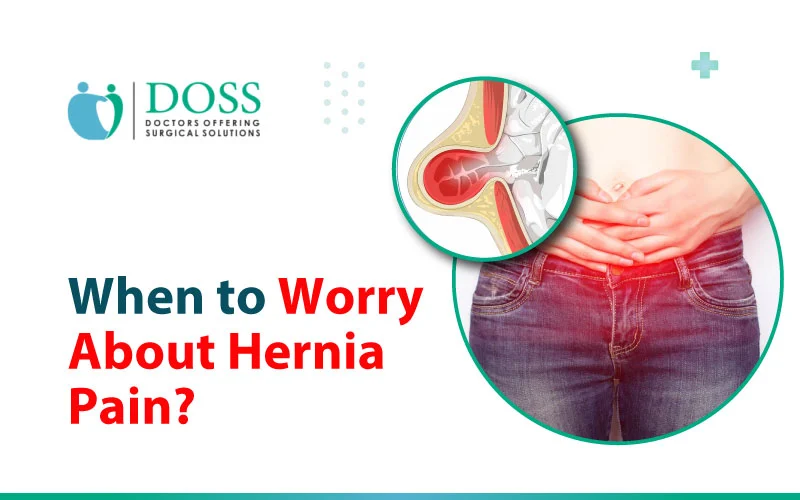
When to Worry About Hernia Pain?

A hernia happens when part of a tissue or organ pushes through a weak spot in your body, like in your muscle or abdominal wall. While some hernias don’t cause any trouble, others can become painful or even dangerous if left untreated.

 It’s important to know when hernia pain is normal and when it needs immediate medical attention. This article will guide you on recognizing the signs, managing hernia pain, and preventing complications.


When to Worry About Hernia Pain?

What Is a Hernia?

A hernia is a bulge or lump that forms when an organ or tissue pushes through a weak area in your muscle or connective tissue. Most hernias happen in the abdomen, but they can occur in other areas too.

Types of Hernias

  • Inguinal Hernia (Groin Area): This is the most common and happens when the intestines push into the lower part of your abdomen or groin. Men are more often affected.
  • Femoral Hernia (Upper Thigh): This type is less common and shows up at the top of the thigh near the groin. It’s more frequent in women.
  • Umbilical Hernia (Belly Button): These form near the navel. They’re common in babies but can affect adults too.
  • Incisional Hernia (Following Surgery): These occur at a spot where you have had a previous surgery, and the muscle hasn’t fully healed.
  • Hiatal Hernia (Inside the Chest): Part of the stomach pushes into the chest through the diaphragm, causing symptoms such as acid reflux or heartburn.

How Hernias Happen

Some people are born with weak muscles that make them prone to hernias. Others develop them due to:

  • Straining during heavy lifting.
  • Constipation or long-lasting coughing.
  • Being overweight or pregnant, which increases pressure in the abdomen.
  • Having a previous belly surgery, creating a weak spot.

Types of Hernias and Their Symptoms

Different hernias have different symptoms.

  • Inguinal Hernia: Pain or discomfort in the lower abdomen or groin, especially when coughing, bending, or lifting things.
  • Femoral Hernia: A bulge and pain in the upper inner thigh, appearing smaller than inguinal hernias but just as troubling.
  • Umbilical Hernia: A soft swelling or lump near the belly button. It may bulge more when laughing, coughing, or crying.
  • Incisional Hernia: Tenderness or a soft bulge in the area of a previous surgical scar.
  • Hiatal Hernia: Heartburn, swallowing difficulty, pain in the chest, or burping.

Common signs shared across many hernias include a visible bulge, discomfort, pressure in the affected area, and worsening pain with activity.

Notice signs of a hernia like pain, discomfort, or a visible bulge? Consult Dr. Neeraj Rayate, Pune’s best hernia surgeon, for expert diagnosis and care!

When Should You Worry About Hernia Pain?

Most hernias aren’t dangerous if managed well—but there are times when they need urgent medical attention.

1. Sudden, Sharp Pain

If you feel sudden, intense pain in the area of your hernia, it could mean the hernia has become strangulated. A strangulated hernia happens when part of the tissue gets trapped and its blood supply is cut off. This is a medical emergency because it can lead to tissue death.

2. Bulge Is Red, Purple, or Tender

A hernia that suddenly becomes painful to touch or changes color (red, deep purple, or even black) might be trapped or strangulated. This condition is dangerous and needs immediate care.

3. Nausea, Vomiting, or Fever

If hernia pain comes with nausea, vomiting, or a fever, it could mean that it’s causing a bowel obstruction or serious infection. For example, a hernia that traps part of your intestine might stop digestion and lead to these symptoms.

4. The Bulge Won’t Go Back

Normally, many hernias can be gently pushed back into place (this is called a “reducible hernia”). However, if the bulge becomes stuck and you can’t push it back, it’s likely an incarcerated hernia. This might lead to strangulation, so a doctor should see it urgently.

5. Persistent or Worsening Pain

If your hernia pain doesn’t go away or gets worse, even if it’s not severe, it could mean the hernia is growing or pressing on nearby tissues. This needs medical attention before it creates more problems.

What to Do When You Experience Severe Hernia Pain

Immediate Steps

  • Stop whatever you’re doing, especially if it involves heavy lifting or physical effort.
  • Lie down and gently try to push the hernia bulge back in. If this causes pain, avoid forcing it.

When to Call a Doctor

Seek emergency care if you have:

  • Sudden, severe pain that doesn’t go away.
  • A bulge that’s red, purple, or sensitive to touch.
  • Nausea, vomiting, or fever along with the hernia pain.
  • Trouble going to the bathroom, as it could indicate a blocked intestine.

Visiting a Doctor

Your hernia doctor may perform a physical exam and possibly use imaging tests like an ultrasound or CT scan to understand the hernia’s severity. Surgery is typically needed for complications like strangulation or obstruction.

Can You Wait to See a Doctor for Hernia Pain?

Mild or Intermittent Pain

If your hernia causes occasional aches but doesn’t interfere with everyday life, you can likely wait for a regular check-up.

Signs You Can Wait

  • The hernia bulge is small and soft.
  • Pain only occurs during specific activities like lifting heavy objects.
  • You can still reduce the hernia by gently pushing it back.
    That said, even “mild” hernias should eventually be checked to rule out future risks.

How to Prevent Complications from Hernias

Get Treatment Early

Small hernias are easier to repair and less likely to cause emergency situations. If your doctor recommends hernia surgery, doing it sooner rather than later can make recovery smoother.

Take Care of Your Body

  • Maintain a healthy weight: This reduces extra pressure on your abdomen.
  • Avoid heavy lifting: Or, use proper techniques when lifting objects.
  • Eat healthy: A fiber-rich diet prevents constipation and eases bowel movements, reducing abdominal strain.
  • Quit Smoking: Persistent coughing from smoking weakens muscles and worsens hernias.

FAQs

1.What happens if a hernia is left untreated?
An untreated hernia could grow larger and more painful over time. Serious risks include incarceration and strangulation, which can be life-threatening.

2.Can a hernia heal on its own?
No, hernias don’t go away without treatment. You can manage symptoms in the short term, but medical evaluation is essential.

3.When is surgery necessary for hernias?
Surgery is recommended for hernias that cause ongoing pain, grow in size, or show signs of being trapped or strangulated.

4.Will a small hernia always get worse?
Not always, but even small hernias have the potential to grow or cause complications. Monitoring is critical.

Conclusion

While hernia pain can sometimes be minor, it’s important to recognize warning signs such as severe pain, color changes, nausea, and trouble reducing the bulge. These symptoms could signal serious issues like strangulation or obstruction, which require immediate care.

Most hernias can be managed or treated with the right medical attention. If you suspect a hernia or are experiencing concerning symptoms, don’t wait—reach out to a doctor and take charge of your health.

Further Reading : Differences Between Hernia and Appendix

How to Avoid a Repeat Hernia Surgery?

Hernia repair is one of the most common surgical procedures performed today. While hernia surgery can effectively address the issue, a small percentage of patients may experience a recurrence, meaning the hernia comes back after the initial repair.

 A repeat hernia surgery can be more complex and challenging, potentially leading to complications or longer recovery times. This makes it essential to take steps to reduce the risk of recurrence.

This article will cover why hernia surgeries might fail, how to optimize recovery, lifestyle changes to support healing, and practical tips to prevent needing another hernia surgery.


How to Avoid Repeat Hernia Surgery?

Understanding Why Hernia Surgeries Fail

Common Causes of Hernia Recurrence

  1. Insufficient Healing: If the tissues don’t heal properly after surgery, the repaired area may remain weak and prone to recurrence.
  2. Improper Surgical Technique: A poorly performed surgery can fail to repair the hernia completely, making recurrence more likely.
  3. Post-Surgery Complications: Issues like infections or poor wound healing can weaken the repair site.
  4. Abdominal Pressure: Activities that increase pressure in the abdomen—like weight gain, straining, persistent coughing, or heavy lifting—can compromise the surgical repair.
  5. Size and Location: Large or complex hernias and those located in high-stress areas have higher chances of recurrence.

Types of Recurrence

  • Primary Recurrence: When the hernia reappears in the same spot, usually due to inadequate repair or healing.
  • Incisional Recurrence: When the hernia develops at or near the site of a previous surgical incision.

Understanding these risks can help patients and their doctors make better decisions to prevent a repeat hernia surgery.

Choosing the Right Surgical Procedure

Laparoscopic vs. Open Surgery

  • Laparoscopic Surgery: This minimally invasive technique uses small incisions, resulting in less scarring, faster recovery, and potential for a lower recurrence rate.
  • Open Surgery: This traditional method involves larger incisions, which may increase healing time and recurrence risk but is sometimes necessary for large or complex hernias.
    Discussing the pros and cons of each method with your surgeon is crucial to choosing the best option for your situation.

Mesh Repair vs. Non-Mesh Repair

  • Mesh Repair: Surgical mesh is often used to reinforce the repaired area. It reduces the risk of recurrence by strengthening the weakened tissues. However, it’s essential to avoid complications like infection by ensuring proper placement and care.
  • Non-Mesh Repair: While this avoids mesh-related risks, it may not provide the same level of support, particularly for larger hernias.

Your  hernia surgeon will consider the hernia’s size, location, and your overall health when deciding on the best surgical approach.

Post-Surgery Care to Prevent Recurrence

Proper Wound Care

Follow your surgeon’s instructions for post-operative wound care to ensure proper healing and avoid infection.

  • Keep the surgical site clean and dry.
  • Avoid removing surgical dressings too soon.
  • Watch for signs of infection like redness, swelling, or discharge.

Gradual Return to Activity

One of the most critical factors in successful recovery is pacing yourself after surgery.

  • Avoid heavy lifting and strenuous activities for several weeks after surgery.
  • Gradually increase your activity level, starting with light walking.
  • Follow your doctor’s timeline for returning to exercise, work, or household tasks.

Managing Pain and Swelling

Monitor and manage post-surgical pain and swelling to improve healing.

  • Compression Garments: These can support the abdominal area and reduce swelling.
  • Rest and Elevation: Lying down and avoiding prolonged standing can help reduce swelling.
  • Take prescribed pain medications as directed.

Lifestyle Changes to Support Healing and Prevent Recurrence

Maintaining a Healthy Weight

Excess body weight puts added pressure on your abdominal muscles, increasing the risk of recurrence.

  • Follow a balanced diet rich in lean proteins, fruits, vegetables, and whole grains.
  • Incorporate regular, low-impact exercises like walking or swimming to maintain a healthy weight.

Avoiding Heavy Lifting and Straining

Abdominal strain can weaken tissues and jeopardize the repair.

  • Avoid lifting heavy objects for at least six to eight weeks after surgery.
  • Learn proper lifting techniques that engage your legs, not your abdominal muscles.
  • Prevent constipation by eating fiber-rich foods and staying hydrated to avoid straining during bowel movements.

Managing Coughing and Sneezing

Uncontrolled coughing or sneezing puts pressure on the abdominal wall.

  • Hug a pillow against your abdomen when you feel the urge to cough or sneeze.
  • Treat underlying conditions like chronic cough or allergies to reduce strain on the repair site.

Exercises and Physical Therapy for Hernia Prevention

Core Strengthening Exercises

Strengthening the muscles around the repair site can support recovery and prevent recurrence. However, it’s essential to avoid high-pressure activities.
Safe exercises include:

  • Pelvic tilts.
  • Bridge lifts.
  • Gentle side stretches.
    Always consult your surgeon or physical therapist before starting new exercises.

Breathing Techniques and Posture

Proper breathing and good posture reduce intra-abdominal pressure.

  • Practice deep breathing exercises to engage the diaphragm.
  • Sit and stand straight to avoid putting undue stress on the abdominal wall.

Regular Check-Ups and Monitoring

Follow-Up Appointments

Regular follow-ups allow your surgeon to ensure proper healing and detect any early signs of recurrence.

  • Depending on your case, imaging tests like ultrasounds or CT scans may monitor the repaired area.

Self-Monitoring for Warning Signs

Be vigilant for symptoms of a recurring hernia, such as:

  • New bulging near the surgery site.
  • Pain or discomfort in the same area.
  • A pulling sensation in your abdomen.
    Report these symptoms to your doctor immediately.

Consult Dr. Neeraj Rayate, the best hernia surgeon in Pune, for expert follow-up care and personalized guidance to prevent hernia recurrence.

Dietary Tips to Avoid Constipation and Strain

High-Fiber Diet

Prevent constipation by eating foods that keep digestion smooth.

  • Include whole grains, fruits like apples and berries, vegetables like broccoli and spinach, and legumes in your meals.

Stay Hydrated

Drink plenty of water each day to keep your digestive system running efficiently.

  • Limit drinks that dehydrate you, like caffeine and alcohol.

The Role of Smoking Cessation in Preventing Recurrence

Impact of Smoking on Healing

Smoking reduces oxygen flow to tissues, slowing down the healing process and increasing the risk of infection and complications.

  • Smokers are at a higher risk for hernia recurrence.

Tips for Quitting Smoking

  • Use nicotine replacement therapies, such as patches or gum.
  • Seek support from counseling or smoking cessation programs.
  • Gradually reduce your smoking habit with clear milestones and goals.

FAQs

1.How long does it take to recover from hernia surgery?
Most patients recover in 1–2 weeks for light activities, but full recovery can take up to 6–8 weeks, depending on the hernia’s size and type of surgery.

2.Can I exercise after hernia surgery?
Yes, but only after your doctor approves. Start with light activities and avoid high-impact exercises or heavy lifting for at least six weeks.

3.What should I avoid after hernia surgery?
Avoid straining, lifting heavy objects, intense physical activity, and coughing or sneezing without support to the abdominal area.

4.How can I prevent a hernia from happening again?
Maintain a healthy weight, follow a high-fiber diet, avoid straining or heavy lifting, and strengthen your abdominal muscles safely.

Conclusion

Avoiding a repeat hernia surgery requires careful planning and proactive effort, from choosing the right surgical method to making healthy lifestyle changes. Following post-operative instructions, eating well, managing activity levels, and attending regular check-ups can significantly reduce the risk of recurrence.

If you’ve had hernia surgery or suspect a hernia recurrence, consult your healthcare provider for individualized advice. Taking these proactive steps now can help you maintain your long-term health and avoid complications in the future.

Does Hernia Cause Constipation?

Hernias can be unsettling when diagnosed, often leading to discomfort or pain. But can a hernia also cause constipation? The answer is yes, though it depends on the type, location, and severity of the hernia.

This article explores the connection between hernias and constipation, the symptoms to monitor, and when to seek medical advice for proper care and relief.


Does Hernia Cause Constipation?

Understanding Hernias

What Is a Hernia?

A hernia occurs when part of an organ or tissue pushes through a weak spot in the muscle or connective tissue. This creates a bulge, often visible under the skin, accompanied by discomfort or pain in the affected area.

Common Types of Hernias

  • Inguinal Hernia: Found in the groin area, this is the most common type of hernia, especially in men.
  • Femoral Hernia: Occurs in the upper thigh near the groin, often affecting women.
  • Umbilical Hernia: Develops near the belly button, common in infants but can also occur in adults.
  • Incisional Hernia: Forms at or near the site of a previous abdominal surgery.
  • Hiatal Hernia: Happens when part of the stomach pushes up into the chest through the diaphragm.

Common Symptoms of Hernias

Hernias can present with symptoms like:

  • A noticeable bulge in the affected area.
  • Pain or discomfort, especially during physical activity such as lifting or bending.
  • Pressure, heaviness, or weakness in the abdominal region.
  • Heartburn or acid reflux (in hiatal hernias).

    Want to understand hernias in detail? Discover types, grades and  treatment options in our Comprehensive Guide on Hernias.

Types of Hernias That Can Cause Constipation

While not all hernias lead to constipation, certain types are more likely to affect bowel movements due to their location and impact on the intestines.

1. Inguinal Hernia

An inguinal hernia occurs in the groin and may sometimes press on the intestines. This pressure can slow digestion and make bowel movements difficult.

2. Incisional Hernia

Hernias forming near surgical scars in the abdominal area can disrupt normal intestinal function, making it harder for waste to pass.

3. Hiatal Hernia

While this type primarily leads to acid reflux, large hiatal hernias can indirectly cause constipation by affecting digestion and causing slower bowel transit.

4. Umbilical Hernia

Umbilical hernias near the belly button are less likely to cause significant digestive issues but, in rare cases, may contribute to mild constipation or abdominal discomfort.

How Hernias Can Cause Constipation?

1. Pressure on the Intestines

When hernias push against the intestines, they can partially obstruct the digestive tract, making it harder for stool to pass. For example, an incarcerated hernia (one that’s trapped and can’t move back into place) may lead to slow or difficult bowel movements.

2. Risk of Strangulation

A strangulated hernia, where the hernia blocks off blood supply to the intestines, can cause severe constipation due to bowel obstruction. This condition is life-threatening and requires immediate medical attention.

3. Pain and Fear of Straining

Hernias can cause pain during bowel movements, and some patients may avoid straining out of fear of worsening their condition. This avoidance leads to a cycle where constipation becomes more frequent.

4. Post-Surgery Factors

Hernia repair surgery can sometimes cause temporary constipation as a side effect of anesthesia or pain medications. Reduced physical activity post-surgery may also contribute to slower bowel function.

When to Worry About Hernia-Related Constipation

While mild constipation may not always indicate an emergency, certain symptoms suggest more serious complications that require urgent care.

Signs of Serious Complications

  • Severe abdominal pain that does not go away.
  • Swelling, redness, or tenderness around the hernia site.
  • Nausea or vomiting along with constipation.
  • An inability to pass gas or stool, a warning sign of bowel obstruction.

Strangulated Hernia Symptoms

Strangulation is a medical emergency. Symptoms include:

  • Intense pain at the hernia site.
  • The hernia bulge becoming firm, discolored, or extremely tender.
  • Fever, chills, or other signs of infection.

Experiencing severe hernia symptoms like intense pain, swelling, or constipation? Consult Dr. Neeraj Rayate, the best hernia doctor in Pune, for expert diagnosis and advanced treatment. Don’t wait—book your appointment today to ensure your health and safety!

How to Manage Constipation from a Hernia

1. Lifestyle and Dietary Changes

  • High-Fiber Diet: Foods like fruits, vegetables, whole grains, and legumes can soften stool and promote regular bowel movements.
  • Stay Hydrated: Drink plenty of fluids to aid digestion and prevent constipation.

2. Physical Activity

Engaging in light physical activity, such as walking, promotes digestion without straining the hernia. Avoid intense exercises that place pressure on the abdominal region.

3. Avoiding Strain

  • Boweling Techniques: Use a comfortable, relaxed position. Consider a small stool to raise your knees while sitting on the toilet.
  • Stool Softener or Fiber Supplements: Over-the-counter products can be helpful, but consult a doctor before using them.
  • Pain Management: Use a pillow to brace the hernia area during movements that cause strain, such as coughing or sneezing.

Treatment Options for Hernia-Related Constipation

1. Non-Surgical Approaches

  • Implement lifestyle changes like improving diet and hydration.
  • Use gentle laxatives or stool softeners under medical supervision.

2. Surgical Repair of Hernias

If constipation persists due to direct pressure from the hernia, surgical repair might be necessary.

  • Laparoscopic Surgery: Minimally invasive with smaller incisions, offering faster recovery.
  • Open Surgery: Used for larger or complex hernias.

3. Post-Surgery Care

Addressing constipation after surgery is crucial. This includes staying hydrated, eating fiber-rich foods, and resuming light activities as recommended by your doctor.

FAQs

1.Can all hernias cause constipation?

No, not all hernias cause constipation. The likelihood depends on the type (e.g., inguinal or hiatal), location, and size of the hernia.

2.What other symptoms can hernias cause?

Along with constipation, hernias may cause bulging, pain, acid reflux (hiatal hernia), or nausea.

3.When should I see a doctor?

Seek medical advice if you experience persistent constipation alongside hernia symptoms like pain, swelling, or a change in the hernia’s appearance.

4.Is constipation after hernia surgery normal?

Yes, temporary constipation can result from anesthesia, pain medications, or reduced activity. Stay hydrated and eat a fiber-rich diet to ease recovery.

Conclusion

Hernias can sometimes cause constipation, especially when they affect the intestines or result in complications like obstruction. Recognizing the signs and addressing early symptoms are key to avoiding severe problems.

 Whether through lifestyle changes, medical management, or surgical intervention, proper care can relieve symptoms and improve your quality of life.

If you suspect your hernia is causing constipation or experience severe symptoms, consult a hernia specialist  promptly to explore your options and ensure long-term health and comfort.

Is Robotic Surgery Affordable?

Robotic surgery represents a groundbreaking advancement in surgical techniques. It uses highly advanced robotic systems, guided by skilled surgeons, to perform procedures with incredible precision.

 While robotic surgery is known for its smaller incisions, faster recovery times, and reduced risk of complications, a key question remains—can everyone afford it? Or is it reserved for those with deep pockets?

This blog will break down the affordability of robotic surgery, the factors driving its costs, how it compares to traditional methods, and ways to make it more accessible for patients.


Is Robotic Surgery Affordable?

Understanding Robotic Surgery

What Is Robotic Surgery?

Robotic surgery is a minimally invasive technique where surgeons utilize robotic devices to perform highly precise procedures.

A well-known system, the da Vinci Surgical System, includes robotic arms, cameras, and advanced computers. Surgeons control these robotic tools from a console, ensuring greater precision and flexibility during surgery.


Benefits of Robotic Surgery:

  • Smaller Incisions: Less scarring compared to open surgery.
  • Reduced Pain and Faster Recovery: Patients often experience reduced recovery times and discomfort.
  • Greater Precision: The robotic arms can maneuver in ways human hands can’t.
  • Lower Risk of Complications: Precision helps minimize damage to surrounding tissues.


Common Robotic Surgery Procedures

Robotic surgery is widely used in various medical fields, including:

  • Prostatectomy: Removal of the prostate gland.
  • Hysterectomy: Removal of the uterus.
  • Colorectal Surgery: Treatment for cancers or other bowel diseases.
  • Heart and Lung Surgeries: Complex cardiothoracic procedures.
  • Kidney Surgery: For kidney removal or tumor treatment.

Factors Influencing the Cost of Robotic Surgery

Understanding the costs involves examining several factors that influence affordability.

1. Hospital or Clinic Type

Larger hospitals or facilities with advanced technology and a strong reputation tend to charge more. The location also plays a role—urban hospitals with high demand often have higher rates compared to their rural counterparts.

2. Type of Surgery Performed

More complicated surgeries typically involve longer operation times and specialist expertise, increasing costs. For instance, robotic colorectal surgery may be pricier than a simpler robotic gynecological procedure.

3. Surgeon’s Expertise and Experience

Surgeons with significant experience in robotic-assisted surgeries may command higher fees. Specialization in advanced robotic techniques can also contribute to increased charges.

4. Technology and Equipment Used

The infrastructure behind robotic surgery, including systems like the da Vinci Surgical System, comes with high costs. These machines can cost millions of dollars, and hospitals may pass on a portion of those costs to patients in their bills.

5. Insurance Coverage and Out-of-Pocket Expenses

Insurance companies vary in covering robotic-assisted surgeries. Some look at whether the robotic approach is medically necessary, which can leave patients with substantial uncovered expenses.

Must Read: Is It Safe to Have Robotic Bariatric Surgery?

Comparison: Robotic Surgery vs. Traditional Surgery

Cost Comparison

Robotic surgeries typically cost 20-30% more than traditional open or laparoscopic procedures. For example:

  • A robotic prostatectomy may cost around INR 4,00,000 to INR 7,50,000, compared to ₹45,000 to ₹2,50,000 for traditional surgery.
  • Similarly, a robotic hysterectomy can cost more than its traditional counterpart.

Long-Term Savings

While the upfront costs are higher, robotic surgery may lead to long-term savings by:

  • Reducing Hospital Stays: Many patients go home sooner.
  • Lowering the Risk of Complications: Fewer post-surgery infections or revisions may reduce follow-up costs.
  • Quick Recovery: Patients can return to work and daily activities faster, minimizing lost wages.

Recovery Time and Additional Costs

The shorter recovery time associated with robotic surgery means less time spent in recovery wards or requiring assistance at home. This reduces indirect costs, such as caregiving or long-term rehabilitation expenses.

Is Robotic Surgery Covered by Insurance?

Insurance Coverage Variability

Many insurance providers cover robotic surgery if it’s deemed medically necessary. However, their definitions of necessity may vary. Cosmetic or elective procedures performed robotically are less likely to be covered.

How to Check Insurance Coverage

Patients should:

  • Contact their insurance providers directly to ask about robotics coverage.
  • Verify requirements like pre-authorization or specific surgeon networks.
  • Confirm out-of-pocket expenses like co-pays or deductibles.

Out-of-Pocket Costs

Even with insurance, patients may face extra costs for robotic surgery. These include fees for robotics technology, surgeon specialization, or out-of-network healthcare providers.

Alternatives to Robotic Surgery

Traditional Surgery

The traditional open surgery approach is less expensive but often involves:

  • Larger incisions.
  • Longer hospital stays and recovery times.
  • Higher likelihood of complications.

Laparoscopic Surgery

Laparoscopy acts as a cost-effective middle ground:

  • Smaller incisions and faster recovery compared to open surgery.
  • Performed with traditional surgical instruments, which are less costly than robotic systems.

When Robotic Surgery Is Not Necessary

Not every procedure requires robotic assistance. Smaller, low-risk surgeries may not justify higher costs. A thorough consultation with a doctor can help weigh the options.

 Read: Laparoscopic vs. Robotic Hernia Surgery: Which One’s Right for You?

How Can Patients Make Robotic Surgery More Affordable?


1. Seek Multiple Opinions and Quotes

Ask for surgery cost estimates from multiple facilities or surgeons to find the best deal without compromising care quality.

2. Look for Special Financing Options

Some hospitals offer financing plans, payment installments, or partnerships with medical loan providers to make robotic surgery more accessible.

3. Consider Regional Differences

Healthcare costs vary significantly across regions. Some patients travel to other areas—or even abroad—to access robotic surgery at lower costs.

Pros and Cons of Robotic Surgery in Terms of Affordability

Pros

  • Quicker Recovery: Fewer days away from work can reduce overall financial strain.
  • Reduced Complication Costs: Precision leads to fewer post-operative issues.
  • Minimized Hospital Stays: Shorter hospitalization reduces additional expenses.

Cons

  • Higher Initial Costs: Robotic surgery often demands a premium price upfront.
  • Insurance Coverage Gaps: Insufficient coverage can leave patients with unexpected bills.
  • Limited Availability: Smaller hospitals may not offer robotics, requiring travel to larger facilities—which adds to costs.

Conclusion

Robotic surgery offers tremendous benefits for patients, but its affordability depends on individual circumstances.

While the upfront costs are higher than traditional options, the potential for reduced recovery times, fewer complications, and better outcomes can offset the financial burden in the long run.

To determine whether robotic surgery is affordable for you:

  • Consult your doctor: Evaluate the medical necessity and potential outcomes.
  • Check insurance coverage: Understand what’s included in your plan and what’s not.
  • Explore your options: Compare costs across clinics and look into payment plans or regional differences.

Robotic surgery opens new doors in modern medicine, but as with any procedure, informed decision-making with a focus on both health and finances is crucial.

Reach out to your medical provider or insurance company for detailed, personalized guidance.

Consult Dr. Neeraj Rayate, the best robotic surgeon in Pune, to explore affordable robotic surgery options and ensure optimal outcomes for your health.

How Does Obesity Cause Shortness of Breath?

Do you feel out of breath often and wonder if it’s because of weight issues? You’re not alone. Many people who face obesity also deal with breathing problems.

The good news is, by understanding how weight affects your breathing, you can take steps to feel better. Let’s walk through this in simple terms.


does obesity cause shortness of breath?

How Breathing Works?

To understand why being overweight or obese affects breathing, here’s a quick explanation of how breathing normally works:

  • Role of Diaphragm: The diaphragm is a strong muscle below your lungs. When you breathe in, it moves down to pull air into your lungs.
  • What Lungs Do: Your lungs fill with air, and this air carries oxygen to the blood. At the same time, carbon dioxide (the waste gas) leaves your body when you breathe out.
  • Oxygen to Body: The blood then delivers this oxygen to the whole body so you can move, work, and think properly.

When you’re healthy and fit, this process happens smoothly. But excess weight can make it harder for your body to do this job.

How Obesity Affects Breathing?

When someone is overweight, it changes how the body breathes. Here’s how:

man struggling to breathea) Extra Fat Makes It Hard to Breathe

  • When there’s extra fat around the belly and chest, it presses on the lungs and diaphragm. This makes it harder for your lungs to expand fully when you breathe.
  • The diaphragm has a tough time doing its job properly because it gets pushed by the fat in the belly.

b) More Body, More Oxygen

  • A bigger body needs more oxygen. For example, your heart and lungs have to work harder to supply oxygen to all muscles and tissues. This leaves you feeling short of breath even during simple activities, like walking or climbing stairs.

c) Tight Airways

  • Fat near the neck or throat can narrow your airways. This makes it harder for air to flow smoothly in and out, which can cause obstructive breathing problems, like snoring or sleep apnea. 

d) Other Health Problems Linked to Obesity

  • Sleep Apnea: This is a condition where breathing stops for a few seconds during sleep because of blocked airways. You might wake up gasping for air.
  • Asthma or Lung Problems: Obesity can worsen breathing issues by creating more inflammation in the airways.
  • Heart Problems: When the heart isn’t working efficiently, it can reduce oxygen supply to the body, making you feel tired and out of breath.

Symptoms to Watch For

If you’re facing any of these problems, it may be a sign of obesity-related breathing issues:

  • Feeling breathless even while walking gently or climbing stairs.
  • Struggling to lie down flat because it feels like you can’t breathe properly.
  • Snoring or waking up while gasping (a symptom of sleep apnea).
  • Feeling tired or dizzy even after doing very little activity.
  • A tight or wheezing feeling in your chest.

If these are happening often, it’s important to address them quickly.

Why It’s Important to Fix This?

Ignoring breathing problems is not a good idea because:

  • It might make everyday tasks—like working, cooking, or playing with kids—harder.
  • Shortness of breath can put pressure on your heart and cause further health issues, like heart attacks.
  • Over time, untreated breathing problems can damage your lungs or make it harder to recover later.

Taking these issues seriously now can save you from bigger health troubles in the future.

Simple Ways to Improve

The good news is there are some easy steps to start feeling better:

1.Visit a Doctor
patient visiting a doctor

  • A doctor can find out exactly why you’re feeling breathless. They may suggest tests to check your lungs or sleeping patterns.
  • If needed, the doctor may recommend medicines or devices like a CPAP machine (for sleep apnea) to improve your breathing.

2.Make Lifestyle Changes

lifestyle changes

  • Lose Weight Gradually: Eating healthy food in the right amounts can help you lose extra kilos.
  • Add more fruits, vegetables, lean proteins like dal, and fiber-rich foods like roti and brown rice to your meals.Reduce junk food and sugary drinks.
  • Move Daily: Gentle physical activities like walking, cycling, or yoga can help improve both breathing and overall fitness. Start slow and increase gradually. Exercise can also lower stress and help you sleep better.
  • Learn Breathing Exercises: Simple breathing exercises like belly breathing or deep breathing help strengthen your lungs and make breathing easier.
  • Change Sleeping Position: Sleep with your head slightly elevated using extra pillows. This keeps your airways open and reduces snoring or breathlessness.

Taking these steps consistently can reduce both weight and breathing issues.

Frequently Asked Questions (FAQs)


Q1. Can losing weight help me breathe better?

Yes, losing even 5–10% of your current weight can reduce pressure on your lungs and make breathing easier.

Q2. Is shortness of breath always caused by obesity?

No, there are other reasons for shortness of breath, like asthma, stress, or heart issues. It’s best to check with a doctor to know the exact cause.

Q3. Will I have to take medicine for breathing problems?

Not always. If your symptoms are mild, weight loss and lifestyle changes might solve your problems. However, in some cases, your doctor may recommend medicines or devices.

Q4. How can I practice breathing exercises?

Start by sitting in a relaxed position. Take a deep breath through your nose, letting your belly rise instead of your chest. Breathe out slowly through your mouth. Repeat this 5–10 times every day.

Closing Thoughts

Shortness of breath caused by obesity can feel scary, but there’s hope. Simple steps like eating healthier, moving more, and practicing better breathing habits can make a big difference. People who take action on their health often see improvements in both breathing and overall energy levels.

It’s never too late to start. If your symptoms are worrying you, speak to a doctor and take that first step towards better breathing and better health. Small changes today can lead to a better and easier tomorrow!

Take control of your health with expert guidance. Consult Dr. Neeraj Rayate, Pune’s leading bariatric surgeon, and start your journey to better breathing and lasting wellness today!