Umbilical Hernia Treatment

Umbilical Hernia Treatment

Umbilical hernia is a common condition that affects both adults and children, causing discomfort and sometimes pain. In today’s blog, we will discuss what an umbilical hernia is, its causes, and the available hernia treatment options to help patients make informed decisions about their health.

What is Umbilical Hernia?

An umbilical hernia occurs when a portion of the intestine or fat tissue protrudes through a weak spot in the abdominal wall, specifically around the navel (umbilicus). This results in a visible swelling or bulge at the belly button. 

The hernia tends to be more prominent when there is increased pressure in the abdomen, such as during coughing, lifting heavy objects, or straining. However, it can often be pushed back into the abdomen with gentle pressure.

It is crucial to consult a hernia doctor in Pune if you suspect an umbilical hernia, as it could be indicative of a more severe condition. A sonography is typically recommended to confirm the diagnosis, determine the size of the hernia, and ascertain if it involves the intestine or just the fat layer above it. Additionally, the sonography can help identify any other hernias that may be present in the body.

Umbilical Hernia Treatment - Regain Comfort and Confidence

Don't let your hernia hold you back - take the first step towards a pain-free life and regain your confidence. Doss India Clinics Provides the Best compassionate care with the best Hernia surgeons in Pune.

Call Us

Surgery for Umbilical Hernia

Surgery is the only definitive treatment for an umbilical hernia, as there are no medications or other alternatives that can repair the defect in the abdominal wall. There are two primary surgical options available for treating an umbilical hernia:

  1. Open surgery: In open surgery, the surgeon makes an incision near the hernia site, pushes the protruding tissue back into the abdomen, and repairs the abdominal wall using stitches or a mesh to reinforce the area. This procedure is typically performed under general anesthesia, and recovery time can vary depending on the size and complexity of the hernia.
  2. Laparoscopy: Laparoscopic surgery is a minimally invasive alternative to open surgery, offering several advantages. The procedure involves making several small incisions in the abdomen through which the surgeon inserts a laparoscope (a thin tube with a light and camera) and specialized surgical instruments. The hernia is repaired using a 3D mesh, which provides strength and support to the weakened abdominal wall.

Laparoscopic surgery typically takes around 30 to 40 minutes, with patients discharged within two days. Most patients can walk within 6 to 8 hours post-surgery, and they require only about 7 days of rest for recovery. The smaller incisions and absence of stitches make laparoscopic surgery a more cosmetically appealing option, as there is minimal scarring.

Also, Read- Differences Between Open Surgery and Laparoscopy Surgery

Conclusion

Umbilical hernias are a common medical condition that requires surgical intervention for effective treatment. While open surgery is a traditional approach, laparoscopic surgery offers patients a minimally invasive option with quicker recovery times and minimal scarring. 

If you suspect that you or a loved one has an umbilical hernia, it is essential to consult a medical professional for an accurate diagnosis and to discuss the most suitable treatment option. Please feel free to reach out if you have any questions or concerns about umbilical hernias and their treatment. 

 Must Read: Can a Hernia Cause Erectile Dysfunction?
Open Surgery vs Laparoscopic Surgery

Differences Between Open Surgery and Laparoscopy Surgery

Today, we will discuss the differences between open surgery and laparoscopy for hernia treatment. Many people are curious about laparoscopy, as it has become increasingly popular over the last 15 years. 

While there was some confusion and debate about the best approach in the past, it is now widely accepted that laparoscopy offers several advantages over traditional open surgery. 

In this blog, we will compare the two methods and list the benefits of laparoscopy for hernia treatment.

Differences Between Open Surgery and Laparoscopy Surgery

Incisions and Scarring:

Open Surgery: In open hernia surgery, a large incision is made at the site of the hernia. For example, a 10 cm cut may be required for a hernia in the thigh, while an incisional hernia might necessitate an even larger cut than the previous one. Large incisions can result in more significant scarring and increased post-operative pain.

Laparoscopy: In contrast, laparoscopic hernia surgery involves creating 3 to 4 small keyhole incisions. This minimally invasive approach results in less scarring and post-operative discomfort, making it a more attractive option for many patients.

  • Mesh Placement: Both open surgery and laparoscopy use a mesh to reinforce the weakened area of the abdominal wall. However, laparoscopy allows for the insertion of a larger mesh compared to open surgery. This reduces the chances of hernia recurrence, leading to better long-term outcomes.
  • Recovery and Pain Management: Laparoscopic surgery is often associated with faster recovery times and less post-operative pain compared to open surgery. 

 Patients undergoing laparoscopic hernia repair can expect to return to work and daily activities more quickly than those who opt for open surgery.


Also,
Read- Hernia surgery cost in Pune

Make your weight loss goals a reality today.

Begin your weight loss journey today with Hernia Surgery. Doss India Clinics Provides the Best compassionate care with the best Hernia surgeons in Pune.

Call Us

Benefits of Laparoscopy in Hernia Treatment

  •   Smaller incisions and less scarring
  •   Reduced post-operative pain
  •   Faster recovery times
  •   Lower risk of hernia recurrence due to larger mesh placement
  •   Shorter hospital stays
  •   Quicker return to work and daily activities
  •   Lower risk of infection and complications

Conclusion

We hope this comparison has cleared up any confusion regarding open surgery and laparoscopy for hernia treatment. Laparoscopic surgery offers numerous benefits, including less pain, faster recovery, and a quicker return to work.

However, it is crucial to choose an experienced surgeon with a proven track record in laparoscopic hernia repair to ensure the best possible outcomes.

If you have more questions about hernia treatment options or would like to discuss your Hernia Surgeons in Pune, please feel free to reach out for more information. 

Remember, selecting the right Hernia Doctor in Pune and treatment approach can make all the difference in your hernia repair experience and long-term results.

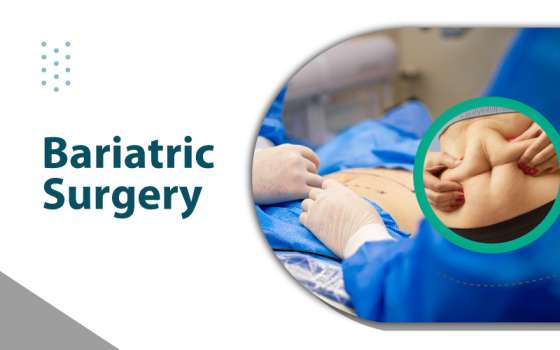
Will Insurance Cover My Bariatric Surgery?

Does Insurance Cover Weight Loss Surgery?

Deciding to undergo bariatric surgery is a significant step for those struggling with obesity and related health issues. One major concern for many patients is whether their insurance will cover the cost of the procedure.

In this blog, we will discuss the critical factors determining insurance coverage for bariatric surgery and how you can navigate this process.

Bariatric Surgery and Insurance

Many patients are unaware that bariatric surgery may be covered under their insurance. Following the recent IRDA guidelines in 2019, bariatric surgery coverage has become more accessible. However, there are specific norms that vary from company to company. 

According to the IRDA uniform guidelines, if a patient’s BMI is above 40 and they have health-related challenges such as diabetes, heart issues, or obstructive sleep apnea, their bariatric surgery may be covered.

For patients who have held insurance for over five years and are struggling with obesity, they should take advantage of this potential benefit and explore the option of bariatric surgery. Many healthcare providers, including ours, are helping patients undergo bariatric surgery and get approval from insurance companies.

It’s crucial to note that some patients with recent insurance policies may face limitations in their coverage. Some insurance providers cover bariatric surgery, while others explicitly state that it is not included. Therefore, it is essential to check your insurance provider’s norms when purchasing a policy or considering bariatric surgery.

Patients with insurance policies older than three years, a high BMI, and related health issues have a higher chance of obtaining approval for their claim.

Also, Read- Bariatric Surgery and its types

Make your weight loss goals a reality today.

Begin your weight loss journey today with Bariatric Surgery. Doss India Clinics Provides the Best compassionate care with the best Bariatric surgeons in Pune.

Book Your Appointment

Navigating the Insurance Process

To ensure a smooth insurance process, follow these steps:

  • Review your insurance policy: Carefully examine your policy documents to determine if bariatric surgery is covered and under what conditions. If the information is unclear, contact your insurance provider for clarification.
  • Obtain pre-authorization: Before undergoing surgery, your weight loss surgeon in Pune will likely need to obtain pre-authorization from your insurance company. This step is crucial in confirming that your insurer will cover the procedure.
  • Gather supporting documentation: Insurance companies may require medical records, diagnostic tests, or letters from healthcare professionals to establish the medical necessity of bariatric surgery. Be prepared to provide this information.
  • Understand your out-of-pocket expenses: Even if your insurance covers bariatric surgery, you may still be responsible for deductibles, co-pays, or co-insurance. Ensure you have a clear understanding of your financial obligations.
  • Explore alternative financing options: If your insurance doesn’t cover bariatric surgery, or you have significant out-of-pocket expenses, consider alternative financing options such as medical loans or payment plans offered by your healthcare provider.

Also, Read- Bariatric Surgery Cost In Pune

Conclusion

Bariatric surgery can be life-changing for those dealing with obesity and related health challenges. Understanding your insurance coverage and navigating the approval process is a crucial step in making this procedure more accessible. 

If you need further assistance or have questions about insurance coverage for bariatric surgery, don’t hesitate to reach out to your Bariatric Surgeon in Pune or insurance company for guidance.

Hernia Surgery

How Long Does it Take to Recover From Hernia Surgery?

Recovering from hernia surgery is a gradual process, but with the right knowledge and care, you can heal effectively and return to your normal routine.

Every recovery journey is unique, and understanding the different stages of healing can help you manage expectations and make informed decisions.

This guide is designed to provide you with all the information you need to feel confident about your recovery.

In this guide, you’ll find everything you need to navigate your recovery after hernia surgery with confidence and ease. From the first few days of healing to when you can return to work and exercise, we’ve covered all the essential steps.

You’ll also discover tips on managing pain, nourishing your body with the right foods, and preventing future hernias. With these helpful insights, you’ll be well-equipped to recover smoothly and safely, ensuring a steady return to your daily life. Let’s take the journey toward healing together!

Hernia Surgery

Understanding Hernia Surgery Recovery

What Happens Right After Surgery?

Right after the operation, you may feel tired and sore around the hernia surgery area. Swelling and tenderness are normal too.

During this time, doctors recommend gentle activities like short walks to help improve blood flow and prevent complications like blood clots. Rest is essential, but keep moving lightly to support healing.

As the days progress, you’ll notice changes in your body, leading to different recovery stages.


General Recovery Timeline

  • First Week: Focus on resting and managing discomfort. Short walks around the house are encouraged.
  • Weeks 2-4: Gradually resume light activities, with improved mobility and reduced soreness.
  • Weeks 4-6: Most people return to work or day-to-day life (except heavy lifting or extreme physical tasks).
  • 6 Weeks Onwards: Depending on your surgery type, you may engage in sports, gym workouts, or physically demanding work. It’s best to confirm with your doctor.

Remember, how fast you recover can differ from others. A steady pace is better than rushing things.

Recovery by Age Group

Age plays an essential role in how quickly you recover from hernia surgery. Here’s how recovery may vary for different age groups:

  • Young Adults (18-40 Years):
    Younger individuals usually heal faster because they have stronger bodies and better immunity. Most can return to light activities in 1-2 weeks and resume normal life within 4-6 weeks.
  • Middle-Aged Adults (40-60 Years):
    Recovery might take slightly longer due to slower tissue repair and health conditions that can appear with age. Light activity should resume by 2-4 weeks, with full recovery taking up to 6-8 weeks.
  • Elderly Patients (60+ Years):
    Older adults need more time to heal. Rest is vital, and close attention should be given to prevent complications. Expect 4-8 weeks of recovery for light tasks and up to 10-12 weeks for full recovery. Regular checkups with your hernia doctor are important for monitoring progress.

Recovery Timeline by Hernia Type

There are different types of hernias, and the recovery time can vary based on which one you had repaired:

  • Inguinal Hernia: Healing takes around 2-4 weeks for light tasks and 4-6 weeks for full recovery.
  • Umbilical Hernia: Similar to inguinal hernias, expect 2-3 weeks for basic movement and 6 weeks for complete healing.
  • Hiatal Hernia: Recovery may take longer because this hernia involves the upper stomach. You’ll feel better within 3-6 weeks, but avoid heavy lifting for about 3 months.
  • Incisional Hernia: Patients with this type often need more time. Plan for 4-8 weeks for light movement and 10-12 weeks for regular physical activity.
  • Femoral Hernia: Healing times resemble inguinal hernia recovery—2-4 weeks for smaller tasks and 6 weeks or more for high-intensity activities.

Recovery Timeline by Surgery Type

Recovery time also depends on the method used for your surgery:

  • Laparoscopic (Minimally-Invasive) Surgery: Smaller cuts mean faster healing. Most people resume light activity in 1-2 weeks and return to full activity within 6 weeks.
  • Robotic Surgery: Similar to laparoscopic surgeries, it uses advanced tools to ensure precise results, with recovery often within the same 1-2 weeks for light movement.
  • Open Surgery: This involves larger incisions, so healing can take up to 4-6 weeks for everyday activities and 6-12 weeks for strenuous ones.

A Detailed Recovery Diet Plan

Eating the right foods can help your body heal faster after hernia surgery. Here’s how to nourish yourself during recovery:

Best Foods to Eat:

  • Protein: Promotes tissue repair. Try eggs, fish, chicken, tofu, lentils, and beans.
  • Fibers: Prevent constipation, which is crucial after surgery. Add fruits like apples and oranges, veggies like carrots and spinach, and whole grains to your diet.
  • Hydration: Drink plenty of water—aim for 8 glasses per day. Herbal teas and soups are great too.

Foods to Avoid:

  • Greasy or spicy foods that upset the stomach.
  • Soda and carbonated drinks, which can cause bloating.
  • Processed or salty foods that slow healing.

Sample Meal Plan:

  • Breakfast: Oatmeal with fresh berries, an egg, and herbal tea.
  • Lunch: Grilled salmon with a side of brown rice and steamed broccoli.
  • Dinner: Chicken vegetable soup with whole-grain bread.
  • Snacks: Smoothies, yogurt, or nuts.

    For a comprehensive guide on what to eat and avoid after hernia surgery, check out this detailed blog post on Hernia Surgery Diet.

Must Watch this Video

Returning to Work & Exercise

  • Returning to Work

    If you work at a desk, you can return within 1-2 weeks once walking and sitting comfortably. Those with physically demanding jobs should wait 4-6 weeks or until cleared by a doctor.

  • Returning to Exercise:

    1.Walking: You can start light walks from day one.
    2.Light Stretching: Safe after 3 weeks with approval from your doctor.
    3.Heavy Exercise or Gym: Wait at least 6 weeks or until you feel ready. Follow your surgeon’s advice.

    For more detailed guidance on resuming exercise after hernia surgery, visit this helpful blog post on Exercise After Hernia Surgery.

Managing Pain

Pain is part of the process, but you can manage it with these tips:

  • Medications: Follow your doctor’s instructions for prescribed drugs or over-the-counter painkillers.
  • Ice Packs: Place on the surgery site 2-3 times daily to reduce swelling.
  • Natural Relaxation: Gentle breathing exercises, meditation, or massage for tight muscles.

If pain doesn’t improve after a couple of weeks or worsens suddenly, call your doctor.

 Preventing Hernia Recurrence

Many patients worry about hernias coming back, but here’s how to prevent it:

  • Don’t lift heavy items until your doctor says it’s okay.
  • Maintain a healthy weight to avoid extra strain on your muscles.
  • Strengthen core muscles after recovery with safe exercises.

Dr. Neeraj Rayate advises, “Prevention is key. Stick to your post-surgery care plan and give your body time to heal fully before jumping back into physical activities.”

Emotional Recovery

It’s normal to feel frustrated or anxious while recovering. Take care of your emotional health too:

  • Stay Positive: Celebrate small milestones like walking an extra step or sitting up with ease.
  • Talk to Others: Share your thoughts with family or a support group.
  • Seek Help When Needed: Contact a counselor if you’re feeling overwhelmed.

 Warning Signs to Watch For

If you notice any of these symptoms, call your doctor immediately:

  • Redness, swelling, or pus around the incision.
  • Severe pain that doesn’t get better.
  • Sudden swelling in the abdomen or trouble breathing.

FAQs About Hernia Surgery Recovery

Q: Can I drive after surgery?
 Yes, after about 1-2 weeks, as long as you’re off pain medications.

Q: When can I go back to the gym?
 Wait 6 weeks or longer for heavy exercises like weightlifting.

Q: Do I need a hernia support belt?
Your doctor may recommend wearing it for 2-4 weeks to aid healing.

Final Thoughts

Hernia surgery recovery takes time, but with the right care, you’ll heal successfully. Stick to your doctor’s advice, eat well, and take it slow. Remember, even small steps bring big progress toward recovery.

Healing might require patience, but every effort you put in is a step closer to getting back to your best self!

Hernia

The Role of Diet in Hernia Management

As a highly experienced surgeon, I understand the importance of taking a holistic approach to hernia care. 

In this article, we will explore the impact of dietary choices on hernia management, focusing on the Indian audience. 

Making informed dietary decisions can support your body’s healing process, prevent complications, and improve your overall well-being.

Hernia

What is Hernias?

Hernias occur when an organ or fatty tissue pushes through a weak spot or opening in the surrounding muscle or connective tissue.

Common types of hernias include inguinal (groin), hiatal (upper stomach), and umbilical (belly button). Factors such as genetics, obesity, heavy lifting, and chronic coughing can contribute to hernia development.

Proper management of hernias is crucial to prevent potential complications. While surgical intervention may be necessary in many cases, adopting a healthy lifestyle, including a balanced diet, plays a vital role in supporting your body’s healing process.

Learn more about hernia types, grades, and treatment options here.

The Role of Diet in Hernia Management

A well-rounded diet is essential for maintaining overall health and supporting hernia management. Your diet directly impacts factors such as digestion, inflammation, and tissue repair.

By making conscious dietary choices, you can positively influence your recovery and reduce the risk of hernia-related symptoms.

Foods that Can Exacerbate Hernia Symptoms

Certain foods have the potential to worsen hernia symptoms or trigger discomfort. It is advisable to limit or avoid the following:

  1. Spicy and acidic foods: These can irritate the digestive system, leading to heartburn or acid reflux, which can exacerbate hernia symptoms.
  2. High-fat and fried foods: These can slow down digestion and contribute to weight gain, increasing the pressure on herniated areas.
  3. Carbonated beverages: The carbonation can cause bloating and increase stomach pressure, potentially worsening symptoms.
  4. Large, heavy meals: Consuming large portions in one sitting can strain the digestive system, leading to discomfort and reflux.

By being mindful of these foods, you can reduce the likelihood of experiencing flare-ups or exacerbating hernia symptoms.

Also, Read– Can hernia be cured without surgery?

Foods that Can Promote Healing

Adopting a diet rich in specific foods can support hernia management and promote healing. Consider including the following in your daily meals:

  1. High-fiber foods: Whole grains, fruits, and vegetables are excellent sources of fiber. They help regulate bowel movements, prevent constipation, and reduce straining during bowel movements, which can alleviate hernia-related discomfort.
  2. Lean proteins: Opt for lean meats, poultry, fish, legumes, and tofu. These protein sources are essential for tissue repair and provide necessary nutrients without excess fat.
  3. Fruits and vegetables: Incorporate a variety of colorful fruits and vegetables into your diet. They are rich in vitamins, minerals, antioxidants, and fiber, supporting overall health and promoting healing.
  4. Whole grains: Choose whole grains such as brown rice, quinoa, whole wheat bread, and oats. These provide essential nutrients and fiber while helping to maintain regular digestion.
  5. Water: Staying adequately hydrated is crucial for proper digestion and overall health. Aim for at least eight glasses of water per day.

Including these foods in your diet will enhance your body’s ability to heal, reduce inflammation, and support optimal recovery from hernias.

Nutrients and Supplements

Certain nutrients play a crucial role in hernia management. While a well-balanced diet should provide most of these nutrients, some may require additional supplementation. Consider the following:

  1. Vitamins: Vitamin C is essential for tissue repair and collagen production. Include citrus fruits, berries, and leafy greens in your diet to ensure an adequate intake.
  2. Minerals: Zinc supports the immune system and promotes wound healing. Incorporate zinc-rich foods such as lean meats, seafood, nuts, and seeds into your meals.
  3. Omega-3 fatty acids: These healthy fats have anti-inflammatory properties. Include fatty fish like salmon, walnuts, and chia seeds in your diet.

While whole foods are the best sources of nutrients, supplements can be useful in cases where dietary intake may be insufficient.

Consult with a surgeon or registered dietician to determine if supplementation is necessary.

Must Watch this Video

Diet and Hernia Prevention

A healthy diet can also contribute to the prevention of hernias. By maintaining a healthy body weight, adopting a high-fiber diet, and practicing proper lifting techniques, you can reduce the risk of developing hernias. 

Additionally, avoid tobacco and excessive alcohol consumption, as these can weaken tissues and increase the likelihood of hernias.

Lifestyle and Diet Balance

While diet plays a significant role in hernia management, it is essential to approach hernia management holistically. Alongside a nutritious diet, maintaining a balanced lifestyle is equally important. Here are some additional considerations:

  1. Weight management: Excess weight can increase the strain on herniated areas. Incorporate regular exercise into your routine to promote weight loss or maintenance. Consult with a surgeon or a registered dietician for personalized guidance on calorie intake and exercise recommendations.

  2. Regular exercise: Engaging in regular physical activity can strengthen the muscles surrounding the hernia and improve overall muscle tone. Low-impact exercises like walking, swimming, and yoga can be beneficial. However, it’s essential to consult with your surgeon before starting any exercise regimen to ensure it is safe and appropriate for your specific condition.

  3. Proper lifting techniques: When lifting heavy objects, always use proper form and technique. Bend at the knees and lift with your legs rather than your back. Avoid heavy lifting altogether if possible, as it can strain the abdominal muscles and potentially worsen hernia symptoms.

  4. Smoking cessation: Smoking can weaken tissues and impair healing. If you smoke, consider quitting to support your body’s natural healing process and reduce the risk of complications.

  5. Stress management: Stress can exacerbate symptoms and interfere with the healing process. Engage in stress-reducing activities such as meditation, deep breathing exercises, or engaging in hobbies you enjoy.

Precautions and Dietary Considerations by Hernia Type

It’s important to mention that different types of hernias may require specific precautions and dietary considerations. For example:

  • Inguinal hernias: It is advisable to avoid foods and activities that increase intra-abdominal pressure, such as heavy lifting and straining during bowel movements. High-fiber foods can help prevent constipation, which can strain the abdominal muscles.
  • Hiatal hernias: These involve the upper stomach and can be aggravated by certain foods that trigger acid reflux, such as spicy and acidic foods, citrus fruits, chocolate, and caffeine. It may be helpful to keep a food diary to identify and avoid specific trigger foods.
  • Umbilical hernias: Maintaining a healthy weight and avoiding excessive strain on the abdominal muscles is crucial for managing umbilical hernias. A nutrient-rich diet and regular exercise are essential.

Always consult your hernia surgeon in Pune or a registered dietician for personalized advice based on your specific hernia type and medical history.

Also, Read- Hernia surgery cost in Pune

In conclusion, adopting a balanced and nutritious diet plays a critical role in hernia management. Choosing foods that support healing, reduce inflammation, and promote overall health can enhance your body’s ability to recover from hernias. 

Remember to consider your unique circumstances, consult with a surgeon, and make informed choices that align with your specific needs and preferences.

By taking a holistic approach to hernia management, including dietary considerations, lifestyle modifications, and appropriate medical care, you can optimize your recovery and lead a healthier life.

Embrace the power of nutrition and lifestyle choices to support your body’s healing process and ensure long-term well-being.

 Must Read:  Post-Hernia Surgery Diet

Weight-Loss Surgery

Types of Weight-Loss Surgery

Weight-Loss Surgery

No one ever sets out to become obese. It’s a complex problem that is often the result of years of bad eating habits and a lack of exercise. But for some people, traditional methods like diet and exercise don’t work. 

If you are morbidly obese and have tried everything, weight-loss surgery may be an option for you. There are several types of weight-loss surgery available, each with its own benefits and risks. Talk to your  Weight Loss Surgeon in Pune to see if surgery is right for you.

Surgery for weight loss is also called bariatric surgery. It includes a variety of procedures that are performed on people who are obese. The main goal of these surgeries is to help the patient lose weight by changing the way the stomach and intestines handle food.

There are several types of bariatric surgery, and each has its own advantages and disadvantages. The type of surgery that is right for you will depend on your individual situation, including your health, your weight, and your goals.

The most common types of bariatric surgery are:

Gastric Bypass

This is the most common type of weight-loss surgery in the United States. It involves creating a small pouch at the top of the stomach and then connecting the small intestine directly to this pouch. 

This bypasses a large portion of the stomach and intestines, which reduces the amount of food the body can absorb.

Gastric Sleeve

This surgery involves removing a large part of the stomach, leaving only a “sleeve” or “tube” of stomach remaining. This reduces the amount of food the stomach can hold, which leads to weight loss.

Regain your strength and power!

Choose our clinic for successful Weight Loss Surgery in Pune. Doss India Clinics has the best Weight loss surgeon in Pune.

Visit Now

What is The Safest Weight Loss Operation?

There is no such thing as the “safest” weight-loss surgery, as all procedures come with risks. As with any surgery, there are risks associated with weight-loss surgery.

These risks include infection, bleeding, blood clots, and leaks from the incisions. There is also a risk that the stomach pouch will stretch over time, which can lead to weight gain. 

Some types of weight loss surgery are less invasive than others and may have a lower risk of complications. Gastric sleeve surgery, for example, is a less invasive procedure than gastric bypass surgery.

It is important to discuss the risks with your weight loss doctor in Pune before making a decision about surgery.

Also, Read- Bariatric Surgery and its types

Final Thoughts

Surgery is not the only treatment option for obesity. Some people may be able to achieve significant weight loss with lifestyle changes, such as diet and exercise. Others may need medication to help them lose weight.

And still others may need a combination of these methods. The best way to treat obesity is to work with a team of experts who can help you find the approach that is right for you.

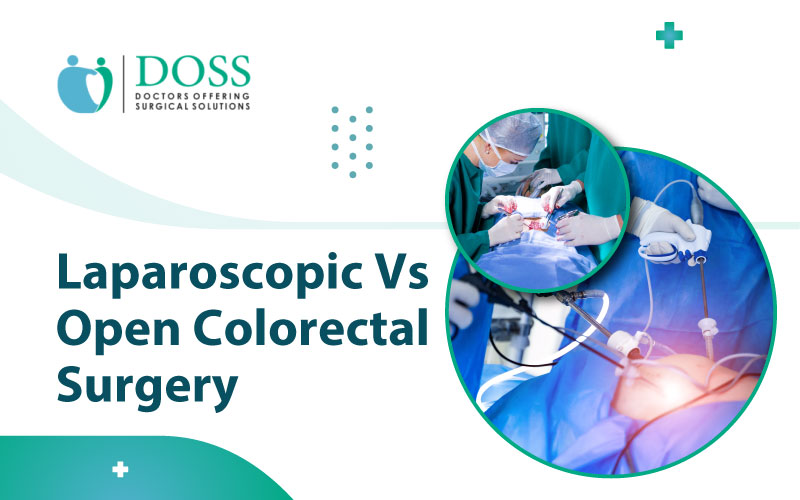
Laparoscopic vs Open Colorectal Surgery

Laparoscopic vs Open Colorectal Surgery

Laparoscopic vs Open Colorectal Surgery

Are you or a loved one facing the prospect of colorectal surgery? The decision to undergo surgery is never easy, but understanding the different surgical approaches can empower you to make an informed choice.

This article will explore the differences between laparoscopic and open colorectal surgery, helping you choose the right approach for your specific needs.

Colorectal Surgery

Colorectal surgery is vital in treating various conditions affecting the colon and rectum. This specialised surgical field offers hope for patients seeking relief from colorectal cancer to diverticulitis and inflammatory bowel disease. 

Colorectal surgery aims to restore normal functioning and improve quality of life by removing diseased portions or tumours.

Colorectal cancer, one of the most common cancers worldwide, begins in the colon or rectum and may spread to other body parts. Early detection through regular screenings is crucial in increasing treatment success rates.

Open Colorectal Surgery

Open colorectal surgery is the traditional approach, wherein a large incision is made to access the affected area. This method has been practised for decades and is still commonly used in certain situations. 

During open surgery, the surgeon gains direct access to the target site, facilitating precise manipulation and removal of diseased tissue. However, it has drawbacks, including a more extended recovery period and noticeable scarring.

Open surgery may be necessary in some cases when the patient has extensive disease involvement, previous abdominal surgeries, or complex anatomical conditions. It gives the surgeon a clear view and better access to the affected area, ensuring comprehensive treatment.

Regain your strength and power!

Choose our clinic for successful Laparoscopic GI Surgery in Pune. Doss India Clinics has the best laparoscopic surgeon in Pune.

Visit Now

Laparoscopic Colorectal Surgery

Laparoscopic colorectal surgery, on the other hand, is a minimally invasive technique that utilises small incisions and specialised instruments. The surgeon inserts a thin tube with a camera (laparoscope) and manipulates surgical instruments through additional small incisions.

This approach offers several advantages, including reduced pain, faster recovery, shorter hospital stays, and minimal scarring. Laparoscopic surgery has revolutionised the field of colorectal surgery, providing patients with a less invasive alternative.

During laparoscopic surgery, the surgeon uses advanced technology to visualise and operate internally using the laparoscope. The camera provides high-definition images of the affected area, allowing for precise and meticulous procedures. The smaller incisions also result in less tissue trauma and blood loss, leading to a quicker recovery and reduced postoperative pain.

A Comparative Analysis

When comparing laparoscopic and open colorectal surgery, several factors come into play. Regarding surgical outcomes, studies have shown comparable success rates between the two techniques. 

However, laparoscopic surgery has been associated with lower complication rates, reduced blood loss, and a shorter hospital stay. Additionally, laparoscopic surgery patients often experience less postoperative pain and can resume their daily activities sooner.

The benefits of laparoscopic surgery extend beyond the physical aspects. Patients who undergo this minimally invasive procedure often report improved cosmetic outcomes and psychological well-being due to the smaller incisions and minimal scarring.

Indications and Patient Selection

Determining the appropriate surgical approach depends on various factors, including the patient’s overall health, the complexity of the condition, and the surgeon’s expertise. Laparoscopic surgery is typically suitable for most patients and conditions. 

However, certain situations, such as emergency surgeries, extensive disease involvement, or anatomical challenges, may require open surgery. Consulting with a qualified colorectal surgeon in Pune is crucial in determining the best approach for your case.

Your surgeon will evaluate factors such as your age, medical history, body mass index, and the stage of your condition to determine the most suitable surgical approach. They will consider any potential risks and complications associated with each technique, ensuring the best possible outcome for you.

Must Watch this Video

Recovery and Postoperative Care

Recovery after colorectal surgery is a significant consideration for patients. In general, laparoscopic surgery offers a faster recovery compared to open surgery. Patients who undergo laparoscopic surgery often experience less pain, require fewer pain medications, and can resume their regular activities sooner. 

However, both approaches require careful postoperative care, including adherence to dietary guidelines, pain management, and follow-up appointments. Your laparoscopic surgeon in Pune will provide detailed instructions to aid your recovery journey.

It’s important to note that every patient’s recovery process is unique, and individual factors such as overall health, age, and the extent of the surgery can influence the timeline. Following your surgeon’s guidance and attending regular follow-up appointments will ensure a smooth recovery and optimal outcomes.

Choosing the right surgical approach for colorectal surgery is a decision that should be made with careful consideration and weighing the pros and cons. Both laparoscopic and open colorectal surgery have advantages and disadvantages, and it’s crucial to consult a qualified surgeon to determine the best approach for your situation.

Laparoscopic surgery offers numerous benefits, including reduced pain, faster recovery, shorter hospital stays, minimal scarring, and improved cosmetic outcomes. This minimally invasive technique utilises small incisions and specialised instruments, allowing for precise and meticulous procedures. Patients who undergo laparoscopic surgery often experience less postoperative pain and can resume their daily activities sooner.

On the other hand, open surgery is the traditional approach that involves a larger incision to access the affected area. This method gives the surgeon direct access and a clear view of the target site. It suits cases involving extensive disease involvement, previous abdominal surgeries, or complex anatomical conditions. However, open surgery has drawbacks, such as a more extended recovery period and noticeable scarring.

Also, Read- Recovery Tips for Laparoscopic Surgery 

Conclusion

When considering the surgical approach, factors such as the patient’s overall health, the complexity of the condition, and the surgeon’s expertise must be considered. Laparoscopic surgery is generally suitable for most patients and conditions. Still, emergency surgeries, extensive disease involvement, or anatomical challenges may require open surgery.

Regardless of the chosen approach, careful postoperative care and adherence to the surgeon’s instructions are essential for a smooth recovery. Recovery times may vary depending on individual factors, but both laparoscopic and open surgery require proper pain management, dietary guidelines, and regular follow-up appointments.

choosing between laparoscopic and open colorectal surgery is a decision that should be made in collaboration with your surgeon. Understanding the advantages and disadvantages of each approach can help you make an informed choice based on your specific needs and circumstances. Remember to consult a qualified laparoscopic  doctor in Pune who can provide personalised recommendations for the best surgical outcome.

Recovery Tips for Laparoscopic Surgery

Recovery Tips for Laparoscopic Surgery

Recovery Tips for Laparoscopic Surgery

Are you or a loved one scheduled for laparoscopic surgery? Recovery after surgery is a crucial phase that requires proper care and guidance. This comprehensive guide will walk you through the recovery process, providing you with the information and support you need to make your healing journey as smooth as possible.

Preparing for Laparoscopic Surgery

Before undergoing laparoscopic surgery in Pune, it’s essential to be well-prepared. This section will outline the necessary steps to take:

  • Consultations and Tests: a surgeon will guide you through the pre-operative consultations and tests required to ensure your safety during the surgery. We will explain the purpose of these tests and what you can expect during the consultations.


  • Surgical Team: The surgical team plays a vital role in your recovery. Clear communication with them ensures a smooth operation and post-operative care. We will discuss the importance of establishing a good rapport with your surgical team and how to communicate your concerns effectively.
 
  • Dietary and Lifestyle Adjustments: The surgeon may advise you on specific dietary and lifestyle adjustments to optimize your health before surgery. We will provide practical tips on maintaining a healthy diet and lifestyle before the surgery.

Must Watch this Video

Laparoscopic Surgery Procedure

Understanding the laparoscopic surgery procedure can alleviate any apprehensions you may have. Here’s what you need to know:

  • Minimally Invasive Approach: Unlike traditional surgery, laparoscopic surgery utilises small incisions and a laparoscope to minimise trauma to the body. We will explain how this approach benefits your recovery and reduces scarring.


  • Procedure Details: We will explain the step-by-step process of laparoscopic surgery, helping you understand how it differs from other surgical methods. This will include an overview of anesthesia, incision placement, and the use of specialized surgical instruments.

Immediate Post-Operative Care

The immediate post-operative period is crucial for monitoring your recovery. Here’s what you can expect:

  • Recovery Room Experience: You will spend some time in the recovery room, where surgeons will closely monitor your vital signs and ensure your comfort. We will explain what to expect during this time and how your pain will be managed.


  • Pain Management: Effective pain management is essential for a smooth recovery. We will discuss the various methods to control post-operative pain, including medications, non-pharmacological techniques, and the importance of open communication with an surgeon.


  • Potential Side Effects and Complications: While rare, potential side effects and complications may arise after laparoscopic surgery. We will discuss common side effects, such as nausea, dizziness, sore throat, and serious complications that may require medical attention.

Regain your strength and power!

Choose our clinic for successful Laparoscopic GI Surgery in Pune. Doss India Clinics has the best laparoscopic surgeon in Pune.

Visit Now

Hospital Stay and Discharge

Your hospital stay and discharge planning are carefully coordinated to ensure your safe transition back home:

  • Duration of Hospital Stay: Understand how long you can expect to be in the hospital after laparoscopic surgery, as it may vary depending on the procedure and individual circumstances. We will provide general guidelines and factors that impact the length of your stay.
  • Criteria for Discharge: Learn about the criteria that need to be met before you can be discharged from the hospital. This may include stable vital signs, the ability to eat and drink, and proper wound care.
  • Transportation and Follow-up: Find out what arrangements should be made for transportation home and the importance of attending follow-up appointments. We will stress the significance of regular check-ups to monitor your progress and address any concerns.

 At-Home Recovery

Once you’re back home, proper self-care is crucial for a smooth recovery. This section will provide you with practical guidance:

  • Relaxation: Discover the importance of rest and how to create a comfortable environment at home to support your healing process. We will provide tips on adjusting your sleeping position, using pillows for support, and finding activities that promote relaxation.
  • Dietary Guidelines: Nutrition plays a vital role in the healing process. We will outline dietary recommendations that can promote healing and aid your recovery process, including suggestions for hydration, fiber intake, and consuming nutrient-dense foods.
  • Wound Care: Learn how to care for your incisions properly and spot any signs of infection. We will provide step-by-step instructions on wound cleaning, dressing changes, and when to contact your healthcare provider.
  • Gradually Increasing Activity: Understand the importance of gradually increasing your activity levels over time and when it is appropriate to resume normal activities. We will provide guidelines on light exercises, avoiding strenuous activities, and listening to your body’s signals.

Potential Complications and When to Seek Help

While laparoscopic surgery is generally safe, it’s essential to be aware of potential complications and know when to seek medical help. Here are some complications to watch out for:

  • Infection: Although rare, infections can occur at the incision sites or inside the body. Watch for signs of redness, warmth, swelling, or discharge around the incisions, as well as fever or chills.
  • Bleeding: While minimal bleeding is normal after surgery, excessive bleeding may require medical attention. If you notice persistent bleeding blood clots or your incision site becomes increasingly painful, seek medical help.
  • Blood clots: Surgery increases the risk of blood clots forming in the legs (deep vein thrombosis) or traveling to the lungs (pulmonary embolism). Watch for symptoms such as leg pain, swelling, redness, chest pain, or shortness of breath, and seek immediate medical attention if you experience any.
  • Adverse reactions to anesthesia: In rare cases, individuals may experience adverse reactions. If you have difficulty breathing, chest pain, or severe dizziness, seek medical help immediately.

Remember, this list is not exhaustive, and if you have any concerns or experience any unusual symptoms during your recovery, it’s always best to consult the best laparoscopic doctor in Pune for guidance

conclusion

Recovering from laparoscopic surgery requires patience, self-care, and support. Following the guidelines outlined in this comprehensive guide can promote a smooth recovery process and minimize complications. 

Everyone’s recovery journey is unique, so listen to your body, communicate closely with an expert laparoscopic surgeon, and adopt these recommendations according to their guidance.

Don’t hesitate to contact a  laparoscopic  Surgeon in Pune if you have any specific questions or concerns about your recovery. They are there to assist you every step of the way.

Stay positive, be gentle with yourself, and focus on your healing. You’ll be back to your best self in no time.

Bariatric Surgery

Pregnancy After Bariatric Surgery

Bariatric Surgery

Are you considering or currently experiencing pregnancy after undergoing bariatric surgery? You’re not alone. With the increasing prevalence of bariatric surgery in India, it is essential to provide tailored information for women navigating the pregnancy journey after the procedure. 

This comprehensive guide will delve into the health considerations, nutritional needs, potential complications, emotional well-being, and other important aspects of pregnancy after bariatric surgery.

Whether you have recently had surgery or are planning a future pregnancy, this guide will provide the necessary information to ensure a safe and healthy pregnancy.

Nutritional Needs and Prenatal Vitamins

Proper nutrition is vital during pregnancy; bariatric surgery can impact nutrient absorption. Maintaining a balanced diet is essential to meet the increased nutritional needs of pregnancy. This includes adequate protein, carbohydrates, healthy fats, and vitamins and minerals. 

Protein intake is particularly crucial to support fetal growth and development. However, the altered digestive system may limit your ability to consume large quantities of food.

Working with a registered dietitian specializing in bariatric surgery and pregnancy can help ensure that you meet your nutritional needs. They may recommend consuming multiple small meals throughout the day, focusing on nutrient-dense foods, and considering protein supplements if necessary.

Prenatal vitamins are also essential to support the baby’s development and address any nutrient deficiencies that may arise due to the surgery.

Depending on your surgical history, your bariatric Surgeon may recommend adjustments to your prenatal vitamin regimen. Specific vitamins and minerals, such as iron, calcium, and vitamin D, may require additional supplementation. 

Regular blood test monitoring of nutrient levels will help identify deficiencies and allow for timely intervention. Following a dietitian’s advice and incorporating practical tips for managing nutritional requirements will support a healthy pregnancy.

Must Watch this Video

Managing Weight Gain During Pregnancy

Weight gain during pregnancy concerns women who have undergone bariatric surgery. While weight gain is a natural part of pregnancy, it is essential to balance ensuring the well-being of both the mother and the baby while managing weight gain appropriately.

Your surgeon will guide healthy recommendations and strategies to monitor your weight. They will consider your pre-pregnancy weight, the type of bariatric surgery you had, and your individual health needs. 

It is crucial to remember that weight gain is essential for the proper growth and development of the baby. Regular monitoring by your doctor and dietitian will guide you in maintaining a healthy weight throughout your pregnancy journey.

Pregnancy After Bariatric Surgery - Everything You Need to Know

Are you considering starting a family after undergoing bariatric surgery? Our comprehensive guide to Pregnancy After Bariatric Surgery can help you navigate this amazing journey with confidence and ease

Book Your Appointment

Surgical Considerations and Potential Complications

Different bariatric surgeries can affect the growing uterus and the baby’s development in various ways. Understanding the potential surgical considerations and complications that may arise during pregnancy due to prior surgery is essential.

For example, gastric bypass surgery may increase the risk of internal hernias or bowel obstructions during pregnancy. 

Other complications, such as gastric band slippage or stomach stretching, may also occur. Your surgeon will manage these situations and provide appropriate care to ensure a safe pregnancy and delivery. Close communication with your bariatric  Surgeon in Pune is critical to addressing concerns and mitigating potential risks.

Gestational Diabetes and Other Health Conditions

Gestational diabetes and other health conditions may be of concern during pregnancy after bariatric surgery.

Research has shown a link between bariatric surgery and an increased risk of gestational diabetes. Managing the risks associated with gestational diabetes is essential to prevent complications. 

Regular blood sugar monitoring, following a balanced diet, engaging in regular physical activity, and, in some cases, medication may be necessary to maintain stable blood sugar levels. 

Additionally, monitoring for other health conditions, such as hypertension (high blood pressure) and preeclampsia, is crucial. Consistent medical monitoring and communication with your surgeon will help address potential health conditions and ensure your and your baby’s well-being.

Emotional Well-being and Body Image

Pregnancy can bring about a range of emotions, and it is essential to prioritize your emotional well-being during this time.

Women undergoing bariatric surgery may have unique challenges regarding body image and self-esteem during pregnancy. It is common to experience mixed feelings about weight gain and changes in body shape. 

Remember that your body undergoes natural transformations to support your baby’s growth. Surround yourself with a supportive network of friends, family, and surgeons who can provide encouragement and understanding.

Engaging in activities that promote stress relief, such as prenatal yoga or meditation, can also help maintain emotional balance.

Preparing for Labor and Delivery

Preparing for labor and delivery after bariatric surgery may require some additional considerations. Communicating your surgical history and any potential complications with your obstetrician and birthing team is essential. They will consider your needs and develop a tailored plan for your labor and delivery. 

A cesarean section may sometimes be recommended due to surgical history or other factors. Your surgeon will guide you through the process and ensure the safest delivery for you and your baby. Understanding your options and having open conversations with your surgeon will help alleviate concerns and ensure a smooth birth experience.

Also, Read- Bariatric Surgery Types and Procedures

conclusion

Navigating pregnancy after bariatric surgery requires careful attention to health considerations, nutritional needs, emotional well-being, and potential complications. You can have a safe and successful pregnancy journey by proactively seeking guidance from your surgeon, including dietitians, obstetricians, and mental health professionals.

Remember to prioritize self-care, nourish your body with a balanced diet, and seek support from loved ones. Each pregnancy is unique, and with the proper care, you can navigate this exciting chapter of your life with confidence and joy.

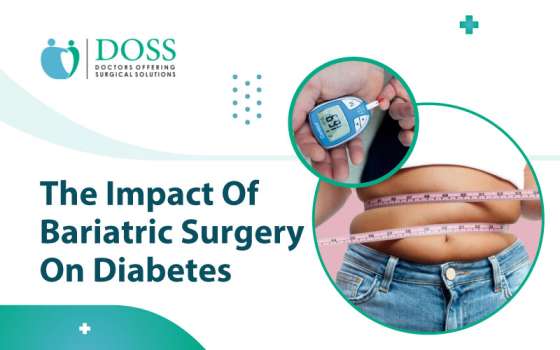
The Impact of Bariatric Surgery on Diabetes

The Impact of Bariatric Surgery on Diabetes

The Impact of Bariatric Surgery on Diabetes

Obesity and diabetes are prevalent health issues in India, affecting millions. Many people who struggle with obesity also face the challenges of managing type 2 diabetes.

Bariatric surgery, a weight loss procedure, has shown promising results in improving or even remitting diabetes in numerous cases. 

We will explore the relationship between bariatric surgery and diabetes, understand the mechanisms behind its impact, discuss clinical evidence, and provide actionable steps for patients.

What is Bariatric Surgery?

Bariatric surgery is a surgical intervention to promote weight loss and improve overall health. There are several types of bariatric surgeries, including gastric bypass and gastric sleeve, which restrict the size of the stomach or bypass a portion of the digestive system. 

These procedures help individuals achieve sustainable weight loss by reducing food intake and altering the body’s metabolism.

Bariatric surgery is considered a significant undertaking and requires careful consideration. To determine their eligibility, patients must undergo a thorough evaluation process, including physical exams, dietary assessments, and psychological screenings. 

It is essential for individuals considering bariatric surgery to have a comprehensive understanding of the procedure, its potential risks, and its long-term implications.

Must Watch this Video

The Link Between Obesity and Diabetes

Obesity Surgery and type 2 diabetes are closely linked. Excess weight strains the body’s ability to use insulin properly, leading to insulin resistance and eventually diabetes.

When a person undergoes bariatric surgery, not only does their weight decrease, but the surgery also improves insulin sensitivity, making it easier for the body to use insulin effectively.

Studies have shown that weight loss achieved through bariatric surgery can lead to significant improvements in blood sugar control, reduced reliance on diabetes medications, and even remission of diabetes in some cases.

This is due to a combination of factors, including improved insulin sensitivity, reduction in adipose tissue, and changes in gut hormone regulation.

Bariatric Surgery's Effect on Diabetes

The impact of bariatric surgery on diabetes involves a combination of weight loss and complex hormonal and metabolic changes. First and foremost, the significant weight loss balloon achieved through bariatric surgery reduces adipose tissue, which plays a central role in insulin resistance. As a result, the body’s insulin sensitivity improves, leading to better glycemic control.

Additionally, bariatric surgery induces changes in gut hormones that affect glucose regulation. Hormones such as ghrelin, glucagon-like peptide-1 (GLP-1), and peptide YY (PYY) are altered after surgery, contributing to increased insulin secretion, reduced appetite, and improved glucose metabolism.

Clinical Evidence and Research Findings

Numerous research studies and clinical trials have demonstrated the positive impact of bariatric surgery on diabetes. These studies have shown that bariatric surgery can lead to diabetes remission in many patients, with long-term improvement in glycemic control and reduced reliance on diabetes medications.

For example, a study published in the New England Journal of Medicine followed individuals with type 2 diabetes who underwent bariatric surgery. The study found that 62% of the patients achieved complete diabetes remission after surgery, with sustained remission for up to 5 years. 

Other studies have also reported improved blood sugar control, reduced cardiovascular risk factors, and long-term weight loss in patients undergoing bariatric surgery.

It’s important to note that individual outcomes may vary based on various factors, including patient selection, the specific type of surgery performed, and the presence of other medical conditions.

Long-Term Benefits and Sustainability

Bariatric surgery offers short-term benefits and long-term improvements in diabetes management. Patients who maintain their weight loss after surgery often experience sustained remission or significant improvement in their diabetes. 

However, it is crucial to understand that bariatric surgery is not a stand-alone solution. Individuals must adopt healthy lifestyle changes to maximize the benefits, including a well-balanced diet and regular physical activity.

Maintaining a healthy post-surgery lifestyle involves following a dietary plan recommended by a registered dietitian or nutritionist. This typically includes consuming smaller portions, focusing on lean protein sources, incorporating fruits and vegetables, and avoiding sugary and processed foods. 

Regular exercise, such as brisk walking or strength training, is essential for losing weight and improving overall health.

Potential Risks and Considerations

While bariatric surgery has proven effective, it is essential to consider potential risks and complications. These can include infection, bleeding, nutrient deficiencies, and the development of gallstones. 

Before surgery, patients should undergo a thorough medical assessment and receive education about the procedure’s potential risks and benefits.

To mitigate these risks, patients should carefully follow their surgeons’ instructions regarding pre-surgery preparations, post-surgery care, and long-term follow-up. Regular check-ups with surgeons are crucial for monitoring progress, addressing concerns, and ensuring optimal health outcomes.

Also, Read- Bariatric Surgery Types and Procedures

Actionable Steps for Patients

For individuals considering bariatric surgery as a potential treatment for diabetes, here are some actionable steps to take:

  1. Seek professional guidance: Consult a qualified bariatric surgeon in Pune specializing in bariatric surgery and diabetes management. They will evaluate your health condition, discuss the potential benefits and risks, and guide you through the process.

  2. Educate yourself: Learn as much as possible about bariatric surgery, its different types, expected outcomes, and potential lifestyle changes. Understanding the procedure will help you make an informed decision and set realistic expectations.

  3. Evaluate your eligibility: Undergo a comprehensive evaluation to determine if you meet the criteria for bariatric surgery. This evaluation may involve physical exams, laboratory tests, and consultations with a nutritionist or psychologist. Being transparent about your medical history and any underlying conditions is essential.

  4. Follow pre-surgery recommendations: If you are deemed eligible for surgery, your surgeon will provide specific preparation instructions. This may include dietary modifications, quitting smoking, and managing existing medical conditions.

  5. Prepare for post-surgery lifestyle changes: Bariatric surgery is a tool for weight loss, but sustainable results require a healthy lifestyle. Work with a registered dietitian to develop a personalized meal plan that aligns with your nutritional needs and supports long-term weight management. Incorporate regular physical activity into your routine, as your Bariatric surgeon recommends.

  6. Attend support groups: Joining support groups or online communities of individuals who have undergone bariatric surgery can provide valuable emotional support, practical tips, and shared experiences. These communities can be a source of motivation and encouragement throughout your journey.

  7. Commit to lifelong follow-up: Bariatric surgery requires a long-term commitment to ensure ongoing success and minimize potential complications. Attend regular follow-up appointments with your surgeon, adhere to their recommendations, and address any concerns promptly.

Make your weight loss goals a reality today.

Begin your weight loss journey today with Bariatric Surgery. Doss India Clinics Provides the Best compassionate care with the best Bariatric surgeons in Pune.

Book Your Appointment

Conclusion

Bariatric surgery has emerged as a promising treatment option for individuals struggling with obesity and type 2 diabetes.

It offers the potential for significant weight loss, resolution or improvement of diabetes, and enhanced overall health. However, it is crucial to approach bariatric surgery carefully, seek surgeon guidance, and understand the potential risks and benefits.

By taking actionable steps such as seeking professional guidance, educating yourself, and committing to post-surgery lifestyle changes, you can maximize the potential benefits of bariatric surgery for diabetes management.

Remember, bariatric surgery is just one component of a comprehensive approach to long-term health and well-being. With the proper support and dedication, you can embark on a transformative journey toward better health and improved diabetes control.