Are you considering robotic hernia surgery? You may feel overwhelmed trying to understand both the procedure and its safety – but don’t worry; we’ve got you covered.
In this blog post, we will break down in detail exactly what robotic hernia surgery is and take a look at what studies say about its level of safety.
Plus, you’ll gain insight into whether it may be the right medical solution for your particular condition. Ready to dive deeper? Keep reading!
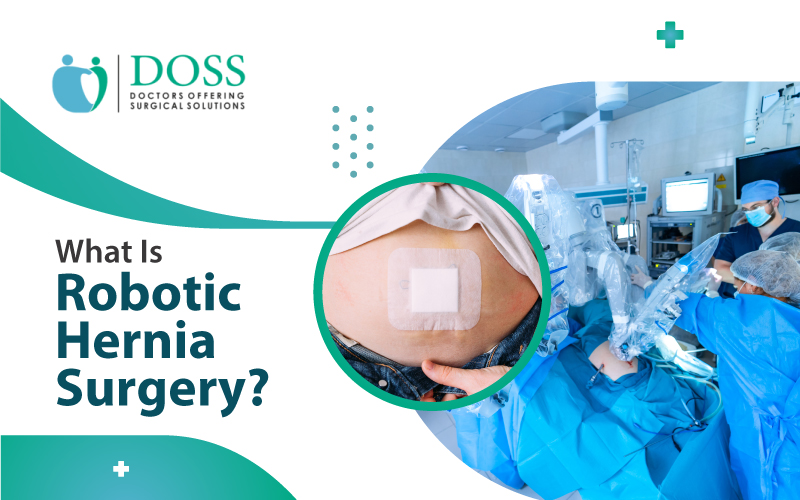
Robotic hernia surgery is a minimally invasive procedure that offers patients an alternative to open hernia repair. During this procedure, the surgeon uses robotic guidance to access the area of your body affected by the hernia.
The robot’s enhancedvision allows it to offer far more precision than traditional instruments used for open hernia repairs, thus resulting in less postoperative pain and shorter hospital stays.
When it comes to safety, studies have generally found robotic hernia surgeryto be safe. In one such study published in the Journal of Clinical Endocrinology & Metabolism, researchers found no difference in complication rates between robotic and traditional laparoscopic hernia repair procedures.
However, because there are so few studies on this topic, more research is needed to further assess the safety of robotic hernia procedures.
Benefits of Robotic Surgery Over Traditional in Hernia Repair
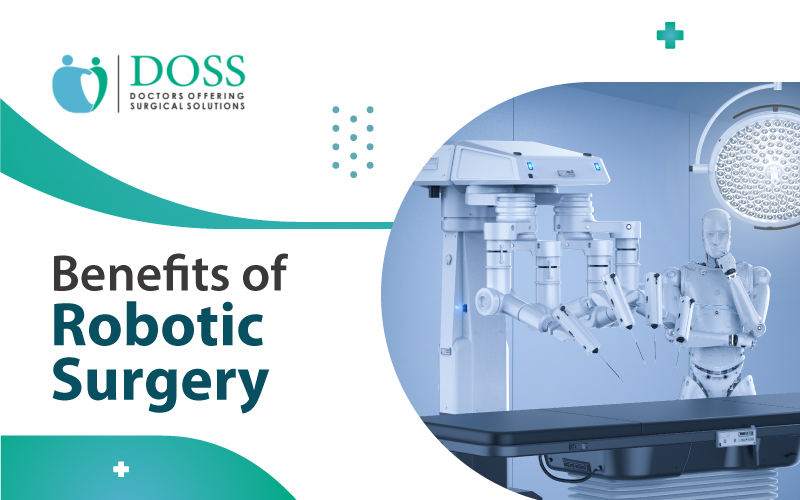
Robotic hernia surgery offers several advantages over traditional open and laparoscopic repair techniques. In addition to the increased precision of robotic tools, patients often experience less pain, fewer complications, and shorter hospital stays compared to open or laparoscopic repairs. Patients may also benefit from faster healing times due to less trauma caused by the procedure.
Ultimately, when deciding whether robotic hernia surgery is right for you, it’s important to weigh your personal preferences with your doctor’s recommendations.
While research suggests that robotic hernia surgery is safe and effective, each case is unique so it’s essential that you discuss all available options thoroughly with your physician before making a decision about which type of hernia repair is best for you.
In conclusion, if you’re considering robotic hernia surgery, remember that it’s a safe procedure with many benefits over traditional open repair methods.
Additionally, it’s important to talk to your doctorabout whether this particular procedure is the best option for your particular condition. Ultimately, the decision should be made based on what’s best for your health and well-being. Good luck!
https://www.dossindia.com/wp-content/uploads/2023/04/1.jpg500800DOSS Indiahttps://www.dossindia.com/wp-content/uploads/2020/07/logo-new-300x203.pngDOSS India2023-04-26 04:36:362023-11-29 07:42:12Hernia Surgery And Benefits of Robotic Hernia Repair
If you or someone you love is living with diabetes, medically known as diabetes mellitus, you may have heard the term “bariatric surgery” come up in discussion.
Bariatric surgery is a procedure that involves weight loss and changes to your digestive system. But can bariatric surgery be effective in treating something like diabetes?
The answer may surprise you – read on to find out more about how bariatric surgery can help those suffering from this serious medical condition.
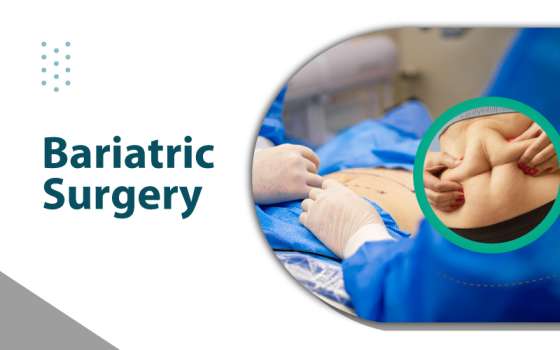
Bariatric Surgery
Bariatric surgery, also known as weight loss surgery, is a procedure used to help people with obesity lose weight.
The most common type of bariatric surgery is gastric bypass, in which surgeons create a smaller version of the stomach to reduce food intake. Other types of bariatric surgery include sleeve gastrectomy and biliopancreatic diversion.
Benefits of bariatric surgery may include significant weight loss, improved metabolic health, lower cholesterol levels, and improved quality of life.
However, there may be risks associated with the procedure such as nutritional deficiencies and long-term side effects including the risk of gallstones and hernias.
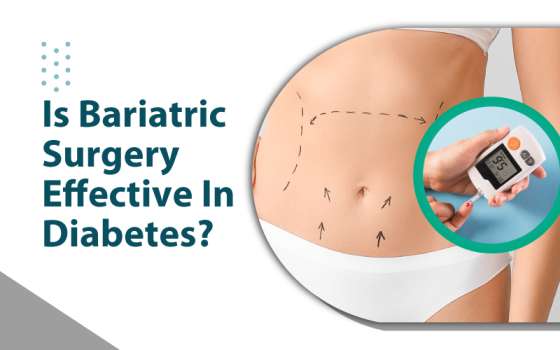
Is Bariatric Surgery Effective in Diabetes?
Bariatric surgery is generally considered to be a safe and effective treatment option for diabetes. This type of surgery has been found to improve glucose control, reduce body weight, and lower the risk of developing long-term complications related to diabetes.
It can also provide other benefits such as improved quality of life, improved self-esteem, and reduced healthcare costs associated with managing diabetes over time.
To determine if bariatric surgery is right for you or a loved one with diabetes, it’s important to talk with your doctor about your options.
Your physician will consider factors such as age, overall health condition, how long you have had diabetes, and the severity of your condition when recommending the best course of treatment for you.
Bariatric surgery can help those with type 2 diabetes, but it is not necessarily a cure for the condition.
While the procedure can be very effective in controlling blood sugar and reducing the need for medications, patients still need to take steps to ensure they are living an active lifestyle and maintaining healthy eating habits.
The Criterion for Diabetic Patients to Undergo Bariatric Surgery
Patients with diabetes who are considering bariatric surgery should meet certain criteria.
Generally, patients are required to have a body mass index (BMI) of 40 or more or a BMI of 35 with at least one obesity-related health condition such as type 2 diabetes, high blood pressure, sleep apnea, and coronary artery disease.
Additionally, the patient should have been overweight for at least 5 years and be educated about the risks and benefits associated with the procedure.
Patients cannot be pregnant when undergoing the surgery and must be willing to commit to making lifelong changes in their diet and exercise habits after the surgery to sustain their weight loss.
If you or someone you know has diabetes, talk to your doctor about bariatric surgery as a possible treatment option.
The benefits of this procedure on diabetes may surprise you – so don’t wait to get more information on how this procedure could improve your health and quality of life.
https://www.dossindia.com/wp-content/uploads/2023/04/2-2-1.jpg350560DOSS Indiahttps://www.dossindia.com/wp-content/uploads/2020/07/logo-new-300x203.pngDOSS India2023-04-21 04:34:102023-11-29 08:20:22Is Bariatric Surgery Good for Diabetes?
Are you considering bariatric surgery for weight loss?
If so, you’ve already taken the first step towards achieving your health and fitness goals.
But do you know that bariatric surgery can also have life-long benefits beyond weight loss? It’s true!
When it comes to aiding in major medical conditions such as high blood pressure.
individuals who undergo bariatric surgery often achieve almost instantaneous results and enjoy an increased quality of health year after year.
In this blog, we will explore the many long term benefits afforded by bariatric surgery, helping equip you with the knowledge you need to make a more educated decision on whether or not this type of surgical procedure is right for you.
Benefits Of Bariatric Surgery
One of the most common long-term benefits associated with bariatric surgery is that it can help reduce high blood pressure.
Individuals who are overweight or obese are more likely to suffer from hypertension.
This condition can contribute to a variety of other serious health issues like – heart disease, stroke, and kidney failure if not managed properly.
Studies have shown that individuals who have undergone bariatric surgery experienced a drop in their systolic blood pressure—the top number on a reading—after only three months!
In addition to helping control high blood pressure, bariatric surgery has also been proven to improve symptoms of type 2 diabetes in obese people.
Those suffering from this form of diabetes often experience difficulty controlling their blood sugar levels and may be at higher risk of developing dangerous complications.
It has been shown to increase insulin sensitivity, reduce the need for diabetes medications, and improve overall glycemic control.
But it doesn’t just stop there!
Studies have also suggested that bariatric surgery can help with other medical conditions such as sleep apnea, which is a disorder that causes people to wake up frequently in the middle of the night.
Bariatric surgery may also play a role in improving joint pain in people who are overweight or obese.
By helping to lower body weight, this type of surgery can ease pressure on the joints and potentially reduce inflammation associated with osteoarthritis.
Reasons not to have bariatric surgery
Bariatric surgery can be beneficial for people with obesity, it is not suitable for everyone.
Some of the reasons why patients may not be eligible for the procedure include:
age (under 18 or over 65) pregnancy Excessive alcohol intake Unwillingness to commit to dietary and lifestyle changes post-surgery.
Those with certain psychiatric disorders such as depression or eating disorders are usually not considered candidates for bariatric surgery.
Patients should talk to their doctor about their specific risk factors and decide if bariatric surgery is right for them.
What are the negative effects of bariatric surgery?
Weight loss surgery can produce significant changes in a person’s physical health and appearance, it is not without risks.
Some of the possible negative effects of bariatric surgery include: malnutrition, abdominal hernias, gallstones, vitamin A deficiency, blood clots, infection and dehydration.
Patients may experience long-term side effects such as nausea, vomiting, constipation and diarrhea.
Finally, there is also a risk of psychological distress due to changes in body image or lifestyle habits.
It is important for patients to discuss all potential risks with their healthcare provider before deciding if bariatric surgery is the right choice for them.
So there you have it! Bariatric surgery offers a multitude of long term benefits beyond weight loss,
all of which can help individuals who are overweight or obese take control of their health and improve their overall quality of life.
Talk to your doctor today to explore if bariatric surgery is right for you. Good luck on your journey to better health!
https://www.dossindia.com/wp-content/uploads/2023/04/doss-blog-1.jpg500800DOSS Indiahttps://www.dossindia.com/wp-content/uploads/2020/07/logo-new-300x203.pngDOSS India2023-04-15 05:42:262023-04-28 11:30:42Benefits of Bariatric Surgery
Are you considering bariatric surgery in Pune? Have you researched the cost of such a procedure and are wondering what it might involve?
If so, you’re in luck! This blog post will walk through the various costs associated with having bariatric surgery done in Pune, as well as outline some helpful tips for weighing your options to ensure that the most cost-effective option is chosen.
Summary
Bariatric surgery in Pune generally costs between ₹1–4 lakhs, depending on the procedure.
Total expenses include pre-surgery tests, hospital stay, surgeon fees, and post-op care.
Cost varies by surgery type, hospital facilities, and surgeon’s expertise.
Insurance may or may not cover the procedure, so out-of-pocket costs are common.
Ideal candidates have high BMI or obesity-related health issues.
Long-term success requires follow-ups, medicines, diet changes, and lifestyle commitment.
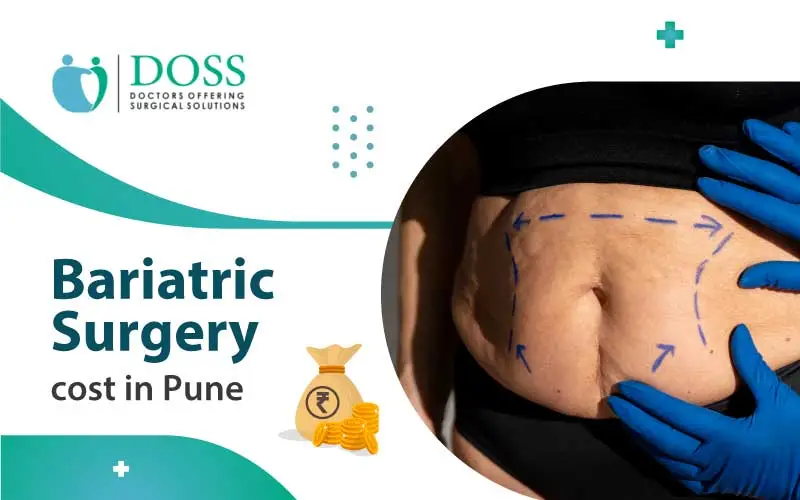
What is the right cost of bariatric surgery in Pune or India?
The first step in understanding the cost of bariatric surgery is to consider what types of procedures are available.
Popular surgeries include gastric sleeve and bypass, both of which can come with varying levels of expense depending on the doctor performing them and the kind of anesthetic used.
In general, you can expect these operations to range from around Rs. 1 lakh to Rs. 4 lakhs.
It’s important to keep in mind that the price tag for bariatric surgery doesn’t end at the operation itself; there are a number of other costs associated with this type of procedure as well.
Pre-operative tests such as CT scans or MRIs might be needed before your surgeon will perform any work, adding extra to the overall bill.
In addition, aftercare is essential for successful recovery and could include visits to the doctor, stays in the hospital and possibly even follow-up procedures.
All of these expenses should be factored into any bariatric surgery cost estimate.
Finally, it’s important to consider potential long-term costs associated with bariatric surgery.
Not all types ofweight loss surgeryare covered by insurance companies, so you will likely have to pay out-of-pocket for a large portion of your medical bills.
Additionally, there may be dietary changes necessary post-operatively in order to maintain healthy eating habits; this might involve special foods or supplements that need to be purchased on a regular basis.
However, candidates may also include those with a BMI between 35 and 39.9 who have at least one serious medical condition related to obesity, such as type 2 diabetes or high blood pressure.
The right candidate should be dedicated to making lifestyle changes that will help maintain long-term weight loss success.
Bariatric surgery should not be considered until other methods have been tried and failed, as it is major abdominal surgery and carries significant risks.
Criterion to choose right bariatric surgeon as well as hospital for weight loss surgery in Pune
Board certification: it is important to select a bariatric surgeon who is certified by the American Board of Surgery (ABS).
Experience and training: select a bariatric surgeon who has extensive experience performing bariatric surgeries, as well as specialized training in minimally invasive procedures.
Hospital accreditation: be sure to choose a hospital that is accredited as a Bariatric Surgery Center of Excellence by either the American Society for Metabolic and Bariatric Surgery (ASMBS) or the Surgical Review Corporation (SRC). This indicates that the facility meets or exceeds quality standards.
Online reviews: check consumer review websites such as Yelp or Healthgrades for patient feedback on their experience with any given doctor or hospital.
Cost: compare prices between different surgeons to ensure you are getting the best value for your money.
No matter which type of bariatric surgery you choose in Pune, it’s important to do your research before committing to spending any amount of money.
Make sure that your surgeon is board certified and experienced with performing the procedure you’re interested in, as well as understand the associated costs and risks so that you can make an informed decision about whether or not this form of weight loss is right for you.
For a trusted and experienced bariatric surgeon in Pune, Dr. Neeraj Rayate comes highly recommended. With his expertise and commitment to patient care, you’re assured of the best possible results for your weight loss journey.
FAQs
How much will I actually need to pay for bariatric surgery, including hidden costs? The total cost ranges from ₹1 lakh to ₹4 lakhs, including tests, hospital stay, and follow-ups.
Can I get insurance coverage, or will I have to pay out of pocket? Some insurance plans cover bariatric surgery, but coverage depends on medical necessity and policy terms.
Are there affordable EMI or financing options available? Yes, many hospitals and clinics offer EMI and financing options for bariatric surgery.
What’s the cheapest bariatric surgery option in Pune? Gastric balloon and laparoscopic sleeve gastrectomy are among the more affordable options.
How do I choose a good but affordable bariatric surgeon? Look for an experienced, board-certified surgeon with good patient reviews and reasonable pricing.
Will I have to pay extra for diet plans and follow-up visits? Yes, post-surgery consultations, diet plans, and medications may incur additional costs.
How soon can I return to work after the surgery? Most patients can resume light work within 1–2 weeks, depending on recovery.
Are there any long-term costs I should be aware of? Yes, nutritional supplements, follow-up visits, and potential future procedures may add to costs.
What happens if I regain weight—will I need another surgery? Weight regain can happen; a second surgery is rare but may be needed in some cases.
Will the cost differ if I have other health conditions like diabetes? Yes, managing pre-existing conditions may require additional tests, medications, or extended care.
https://www.dossindia.com/wp-content/uploads/2023/04/doss-blog.webp500800DOSS Indiahttps://www.dossindia.com/wp-content/uploads/2020/07/logo-new-300x203.pngDOSS India2023-04-04 05:18:012025-11-27 07:00:46Bariatric Surgery Cost In Pune
If you’re considering piles surgery, you probably have a lot of questions. One of the most common questions is “How much does piles surgery cost in Pune?” The answer to this question can vary widely depending on the type of procedure you need and your insurance coverage.
In this blog, we’ll explore the factors that affect the cost of piles surgery in Pune and provide an estimate of what you can expect to pay.
The first step in understanding the cost of piles surgery is knowing what types of procedures are available.
There are several different types of surgeries used to treat piles, including hemorrhoidectomy, laser ablation, sclerotherapy, and stapled hemorrhoidopexy.
Each type of procedure has its own unique benefits and risks, so it’s important to have a discussion with your doctor about which one is right for you.
Cost Factors for Piles Surgery
The cost of piles surgery depends on several factors, including the type of procedure you need, where it takes place (hospital or clinic), and whether or not your insurance covers it.
The surgeon’s experience also plays an important role in determining the cost; experienced surgeons typically charge more than those who are just starting out.
Lastly, where you live will also affect the price; certain cities such as Mumbai or New Delhi tend to be more expensive than smaller cities like Pune or Bangalore.
Estimated Cost Range for Piles Surgery in Pune
The average cost range for piles surgery in Pune is between 25000 – 50000 rupees.
Of course, this is just an estimate; it may be higher or lower depending on your individual circumstances.
It’s important to talk to your doctor about what costs are associated with each procedure before deciding which one is right for you.
Which Doctor to Consult for Piles?
If you’re considering piles surgery, it’s important to visit an experienced surgeon.
Ask your primary care doctor for referrals or look online for reviews from past patients.
Once you’ve identified a few potential surgeons, make sure to ask questions about their experience and the types of procedures they offer.
For expert piles treatment, Dr. Neeraj Rayateis highly recommended as one of the best specialists in Pune. Reach out todayto explore your treatment options.
Making the Right Choice
Piles surgery can be a life-changing experience, but it’s important to make sure that you’re making the right choice.
Take your time to thoroughly research your options and consider all of the factors mentioned above before deciding which type of procedure is best for you.
Can Surgery Cure Piles Permanently?
Surgery can be effective in treating piles, but the success rate depends on the type of procedure used.
Laser ablation and stapled hemorrhoidopexy are generally considered to be more successful than other surgery types when it comes to long-term relief from pain and bleeding caused by piles.
However, some patients may experience recurrence of symptoms after a few years, so it’s important to discuss the risks and benefits of each type of procedure with your doctor.
Conclusion
Overall, piles surgery can be a safe and effective treatment for many patients.
The cost of piles surgery in Pune varies widely depending on the type of procedure you need, where it takes place, and whether or not your insurance covers it.
It’s important to discuss the risks and benefits of each type of procedure with your doctor before making a decision. With the right information, you can find a solution that works for you.
By understanding the cost factors and consulting an experienced surgeon, you can make an informed decision about piles surgery.
https://www.dossindia.com/wp-content/uploads/2023/01/piles-surgery-cost-in-pune.webp500800DOSS Indiahttps://www.dossindia.com/wp-content/uploads/2020/07/logo-new-300x203.pngDOSS India2023-01-30 06:54:332025-02-09 16:47:40How Much Does Piles Surgery Cost in Pune?
If you’re considering hernia surgery in Pune, you may be wondering how much it will cost.
The truth is that the cost of hernia surgery can vary widely depending on a number of factors, including the type of procedure and the complexity of your case.
In this blog post, we will discuss the various factors that affect the cost of hernia surgery as well as provide an overview of typical prices for hernia surgery in Pune.
The most common type of hernia repair is laparoscopic hernia repair.
Laparoscopic hernia repair is a minimally invasive procedure that uses a laparoscope (a small camera attached to a thin tube) to make several small incisions in the abdominal wall to repair the hernia.
This type of procedure typically costs between ₹20,000 – ₹50,000 depending on the complexity and extent of repairs needed.
Open hernia repair is another option and involves making one larger incision to access the area where the hernia has occurred.
This type of procedure typically costs between ₹25,000 – ₹60,000 depending on complexity.
Open mesh repairs are also possible for more complex cases and these typically cost between ₹45,000 – ₹90,000 depending on complexity and extent of repairs needed.
The cost of hernia repair depends on the type of procedure and its complexity. Choosing an experienced specialist ensures the best outcome.
For expert hernia treatment, consult Dr. Neeraj Rayate, a trusted hernia specialist in Pune known for advanced, minimally invasive surgical care.
Watch this video to know how Diagnosis of Hernia is Done
Other Factors That Affect Cost
In addition to the type of procedure being performed, other factors can also affect the cost.
For example, if you require anesthesia or medications during your procedure, those costs will be added on top of your surgical fee. The hospital or clinic where you have your surgery may also charge additional fees for use of their facilities.
Additionally, if you need follow-up care such as physical therapy or occupational therapy after your surgery, those fees should also be taken into consideration when calculating your total out-of-pocket expenses for your surgery.
Is Hernia Surgery Paid by Insurance in India?
Most health insurance policies in India will cover at least a portion of the cost of hernia surgery.
However, it is important to check with your insurance provider to see what is and isn’t covered as well as any deductibles or copays you may be responsible for.
Conclusion:
Hernia surgery can be expensive but it is often necessary to alleviate pain and discomfort associated with a hernia condition.
Knowing what factors affect the cost can help you plan financially for your procedure and ensure that you get quality care at an affordable price.
As always, it’s important to talk with your doctor about any questions or concerns you have about potential treatments or procedures before making any decisions about hernia treatment options or financial plans for medical care.
With this information in hand, you can rest assured that you are making an informed decision about your needs.
Choosing the right surgeon is just as important as the treatment itself. This guide can help you make an informed decision: How to Choose the Right Hernia Surgeon?.
https://www.dossindia.com/wp-content/uploads/2023/01/hernia-surgery-cost-in-pune.webp500800DOSS Indiahttps://www.dossindia.com/wp-content/uploads/2020/07/logo-new-300x203.pngDOSS India2023-01-27 06:08:202025-02-09 16:33:28Hernia Surgery Costs in Pune
If you or someone you know is scheduled for hernia surgery, it’s important to be aware of the precautions that should be taken after the surgery is complete. A hernia is a weakness or tear in the muscles and tissue that hold abdominal organs in place, and can cause pain, discomfort, and other health issues if left untreated. Hernia surgery is a common procedure used to repair this type of injury, but it’s important to follow your doctor’s instructions closely to ensure a speedy and successful recovery.
Hernia Surgery
Hernia surgery is a common type of operation used to repair a hernia. A hernia occurs when there is a weakness or tear in the muscles and tissue that hold abdominal organs in place. This can cause pain, discomfort, and other health problems if left untreated.
Laparoscopic hernia surgery is performed under general anaesthesia while an open hernia surgery is typically performed under spinal anaesthesia. The surgeon will make incision based on type of repair reduce the hernial sac reinforce the hernial defect with mesh and complete the repair.
Here are some of the most important post-surgery precautions to keep in mind:
1. Avoid strenuous activity:
After hernia surgery, it’s important to avoid any strenuous activity that could put undue stress on your incision. This means no lifting, pushing, or pulling anything heavier than 10 pounds for at least four weeks after surgery.
2. Wear supportive clothing:
Your doctor will likely recommend that you wear supportive clothing, such as a jockstrap or compression garment, to help hold your incision in place as it heals.
3. Take it easy:
In general, it’s important to take things slow and easy after hernia surgery. This means getting plenty of rest and avoiding activities that could put strain on your incision.
4. Follow up with your doctor:
Be sure to schedule a follow-up visit with your surgeon to ensure that your incision is healing properly and there are no complications.
5. Wound care:
After your surgery, it’s important to keep an eye on your incision and make sure that it is healing properly. Here are some tips for proper wound care:
Keep the area clean and dry: Be sure to clean the wound daily with soap and water. You should also avoid getting the area wet, so showering with a waterproof dressing is recommended.
Apply pressure: Applying pressure to the wound can help reduce swelling and discomfort.
Change your dressing: Your doctor will likely recommend that you change your dressing every few days or as needed. Be sure to follow their instructions carefully.
Watch for signs of infection: It's important to watch for signs of infection, such
6. Pain Management:
After hernia surgery, you may experience some pain and discomfort. Your doctor will likely prescribe pain medication to help manage this. Be sure to take the medication as prescribed and only for as long as needed. If you have any concerns about your pain level, be sure to call your doctor.
7. Bath:
You may take a bath starting the day after surgery. Please check whether your dressing is waterproof or not before taking bath. if your dressing is not waterproof can clean yourself with wet cloth or tissue.
8. Constipation:
It’s common to experience constipation after hernia surgery due to the pain medication you will be taking. To help prevent this, be sure to drink plenty of fluids and eat high-fiber foods. Your doctor may also recommend that you take a stool softener or laxative.
9. Diet:
After hernia surgery, it’s important to eat healthy foods that will help you heal. Be sure to eat plenty of fruits, vegetables, and whole grains. You should also avoid fatty, fried, or spicy foods. If you’re having trouble eating solid foods, consider drinking protein shakes or eating soups and pureed foods.
How many days rest is required after Hernia Surgery?
Most people can return to their normal activities within a few days after surgery, but it’s important to avoid any strenuous activity for at least four weeks. This will help ensure that your incision heals properly. Be sure to follow up with your doctor to ensure a successful recovery.
Hernia surgery is a common and relatively safe procedure, but it’s important to follow your doctor’s instructions carefully to ensure a successful recovery. By following these post-surgery precautions, you can help ensure a speedy and complication-free healing process.
https://www.dossindia.com/wp-content/uploads/2022/12/dr-neeraj-rayate.jpg500800DOSS Indiahttps://www.dossindia.com/wp-content/uploads/2020/07/logo-new-300x203.pngDOSS India2022-12-30 07:33:442023-04-28 12:11:49What Precautions Should Be Taken After Hernia Surgery?
When you are considering weight-loss surgery, you and your doctor will discuss the different types of procedures and which one is right for you. There are several factors that will be taken into account, including:
Your health:
Weight-loss surgery is a serious decision, and it is not right for everyone. These procedures are usually only performed on people who are morbidly obese, which means they have a body mass index (BMI) of 40 or higher. People with a BMI of 35 or higher may be candidates for surgery if they also have other health problems, such as diabetes or sleep apnea.
Your weight:
The amount of weight you need to lose will play a role in deciding which type of surgery is right for you. If you only need to lose a small amount of weight, you may be a candidate for a less invasive procedure.
Your goals:
What are your goals for weight loss? Are you looking to lose a lot of weight quickly, or are you more concerned with long-term results? Your answer will help guide the decision about which type of surgery is right for you.
There are several types of bariatric surgery, and each has its own advantages and disadvantages. The type of surgery that is right for you will depend on your individual situation, including your health, your weight, and your goals.
Who is an ideal candidate for weight loss surgery?
Weight-loss surgery is a serious decision, and it is not right for everyone. These procedures are usually only performed on people who are morbidly obese, which means they have a body mass index (BMI) of 40 or higher. People with a BMI of 35 or higher may be candidates for surgery if they also have other health problems, such as diabetes or sleep apnea.
If you are considering weight-loss surgery,talk to your doctor about the risks and benefits. These surgeries are not without risk, and they are not a “quick fix” for obesity. They require a lifetime commitment to healthy eating and exercise. But for some people, they can be the difference between life and death.
Tips on choosing right bariatric surgery hospital
There are few things as important as your health. When it comes to choosing a bariatric surgery hospital, you want to make sure you’re making the best decision for your needs. Here are a few tips:
Make sure the hospital is accredited.
Check out the hospital's surgical success rates.
Make sure the hospital has a comprehensive support system in place.
Find out what kind of post-operative care is available.
Ask about the hospital's experience with your specific type of surgery.
Making the decision to have weight-loss surgery is a big one. But it’s also just the first step on your journey to better health. The hospital you choose for your surgery will be a big part of your success. So take the time to do your research and choose the hospital that is right for you.
Need help finding a bariatric surgery hospital?
If you’re considering weight-loss surgery, we can help. Our team of experts can connect you with the resources you need to make the best decision for your health. Contact us today to learn more.
https://www.dossindia.com/wp-content/uploads/2022/12/dr-neeraj-rayate-4.jpg500800DOSS Indiahttps://www.dossindia.com/wp-content/uploads/2020/07/logo-new-300x203.pngDOSS India2022-12-29 06:39:032024-01-22 13:40:04Choosing a Right Weight Loss Surgery
Losing weight is not easy for anyone, but it can be especially difficult for people who are morbidly obese. If you have undergone bariatric surgery and are looking for a diet plan that will help you reach your weight loss goals, you have come to the right place. Here we will discuss several diet plans that have been proven effective for people who have had bariatric surgery. We hope that this information will help you achieve the successful long-term weight loss you desire.
High protein, High Fiber & Low Carbs Diet
After bariatric surgery, it is important to follow a diet that is high in protein and low in carbohydrates. This type of diet will help your body to heal properly and to lose weight in a healthy way. Many people who have had bariatric surgery find that a protein shake diet is an effective way to meet their daily protein needs.
There are many different brands of protein shakes on the market, so be sure to choose one that is high quality and that you enjoy the taste of. You should also be sure to drink plenty of water throughout the day, as this will help to keep you hydrated and will flush out any toxins that may be lingering in your system.
Eat Small, Frequent Meals
In addition to following a high protein diet, it is also important to eat small, frequent meals. After bariatric surgery, your stomach will be much smaller than it was before, so you will not be able to eat large meals.
Eating small, frequent meals will help your body to adjust to its new size and will prevent you from feeling too full after eating. It is also important to avoid high-fat foods, as they can slow down your metabolism and make it more difficult for you to lose weight.
Include Plenty of Fresh Fruits and Vegetables
Fresh fruits and vegetables are an important part of any diet, but they are especially important after bariatric surgery. These foods are packed with nutrients that your body needs to heal and to function properly. They are also low in calories, so you can eat them without fear of gaining weight. Be sure to include plenty of fresh fruits and vegetables in your diet, and try to eat them at every meal.
Get Plenty of Exercise
Exercise is another important part of a successful weight loss plan. After bariatric surgery, you will need to start slowly and gradually increase the amount of exercise you get as your body adjusts to its new size. Walking is a great way to start, and you can gradually work up to more strenuous activities such as swimming or biking. Exercise will help to boost your metabolism and will make it easier for you to lose weight.
Get Support from Family and Friends
Finally, it is important to get support from family and friends when you are trying to lose weight. Having someone to encourage you and cheer you on can make a big difference in your success. There are support groups available both online and in person that can offer you encouragement and advice. In addition, there are many books and websites that provide information on successful diet plans for people who have had bariatric surgery.
Following these tips will help you to create a successful diet plan after bariatric surgery. Remember to focus on high protein foods, eat small meals frequently, include plenty of fresh fruits and vegetables in your diet, get plenty of exercise, and to seek support from family and friends.
By taking the time to educate yourself on the best way to lose weight after surgery, you will be more likely to achieve your long-term weight loss goals and live a healthier life.
Most important is to talk to your dietitian and seek frequent guidance till we understand the nuances of diet after bariatric surgery.
https://www.dossindia.com/wp-content/uploads/2022/12/dr-neeraj-rayate-3.jpg500800DOSS Indiahttps://www.dossindia.com/wp-content/uploads/2020/07/logo-new-300x203.pngDOSS India2022-12-28 05:23:412023-04-28 13:37:55How Do You Plan Your Diet After Bariatric Surgery?
Bariatric surgery, or weight loss surgery, is a long-term treatment for weight loss and its comorbidities. In this article, we’ll try to bust some common myths about bariatric surgery.
Myth #1– In Weight loss surgery fat is removed from the body during the procedure
Fact – Weight Loss surgery is an internal abdominal surgery that is performed by using a laparoscope. It involves reducing the stomach’s capacity and the absorptive length of small intestine, resulting in a caloric deficit and weight loss.
This weight loss is gradual and occurs over the course of a year, as a result of fat burning by hormonal and metabolic adjustments in the body. In weight loss surgery procedure there is no immediate weight loss or fat removal. However, On the other hand weight loss surgery helps in maintaining the weight for long time and It prevents weight regain and also helps in reversing of many metabolic conditions like hypertension, diabetes, and metabolic syndrome.
Myth #2– Weight loss surgery is painful
Fact – Weight loss surgery is a laparoscopic procedure that is done under general anaesthesia. During the procedure patient is unconscious and totally unaware. There is mild pain after surgery that is tolerable and controlled with pain relievers, and it goes away in 1-2 days. Within a week of the treatment, patients are usually able to resume their normal routine and are totally pain free at that time.
Myth #3– Weight loss surgery is risky
Fact – Weight loss surgery or bariatric surgery is an elective surgery and the risk associated with bariatric surgery is the same as for any other elective surgery like a cholecystectomy or a Caesarean section. The surgery is done by the minimally invasive route and makes use of various high-tech devices like staplers which make the surgery quick and painless. This also decreases the chances for human error and increases the safety of the procedure. This also reduces the risk for human error and increases the safety of the procedure.
Myth #4–Weight loss surgery may result in weakness or extra weight loss
Fact – Weight loss surgery is a long-term weight management procedure. It causes a caloric deficit in the body which activates the hormones that helps the body burn fat. Within 12-18 months, typically 60-90 percent of the excess weight is lost gradually and consistently.
Due to the reduced ability for taking food, there may be a risk for protein and vitamin deficiency which can be avoided by taking adequate supplements for 6-12 months after the surgery. There is a very small chance of gaining weight after weight loss surgery, and this is particularly common in malabsorption surgeries like gastric bypass and in persons who don’t take the needed vitamins.
Myth #5– Weight loss surgery may impair family life or fertility
Fact – Many metabolic problems associated with obesity, such as PCOD and infertility, can be corrected by weight loss surgery. It helps in the regularisation of menstrual cycles and the resolution of PCOD in women, as well as increasing the chances of a normal conception. For Males, Weight loss surgery improves sperm count and natural libido due to increased testosterone levels. As a result, weight loss surgery may be regarded as a fertility enhancer procedure rather than the contrary.
https://www.dossindia.com/wp-content/uploads/2021/09/newwwwwwwwwwwwwww.png6871030DOSS Indiahttps://www.dossindia.com/wp-content/uploads/2020/07/logo-new-300x203.pngDOSS India2022-03-21 12:43:392024-01-22 13:41:235 Questions to ask your doctor before undergoing a bariatric surgery?


 +919011100010