Does Lack of Sleep Cause Obesity?

Does Lack of Sleep Cause Obesity?

Ever wondered why you feel extra hungry after a bad night’s sleep? Or why your energy seems to tank during the day, leading to skipped workouts and late-night snacking?

It’s not your imagination—poor sleep can make managing your weight harder. Scientists have discovered a strong connection between sleep deprivation (not getting enough sleep) and weight gain, and it’s something we should all pay attention to.

This guide is here to break it all down in the simplest way possible. We’ll explore why sleep is so important for your body, how a lack of it can lead to weight gain, and what you can do to turn things around.

Why Sleep Matters for Weight ?

Think of sleep as a “reset button” for your body. While you snooze, your body does all sorts of behind-the-scenes work to keep you healthy. Whether it’s repairing muscles, balancing hormones, or processing food, sleep plays a big role in keeping everything running smoothly.

When you don’t get enough sleep, some of these important processes get interrupted. This can throw your body out of balance, making you more likely to gain weight. Why? The reasons are both biological and behavioral.

  • Biologically: Your hunger hormones and metabolism get affected, making you eat more and burn fewer calories.
  • Behaviorally: When you’re tired, you’re less likely to be active and more likely to snack on junk food to get an energy boost.

And that’s just the tip of the iceberg.

Does Lack of Sleep Cause Weight Gain?

The short answer is yes, and here’s why. When you don’t sleep well, your body has trouble keeping your appetite and energy in check. This starts to add up in ways that make weight gain more likely over time.

Here’s What Happens When You’re Sleep-Deprived:

  1. You Feel Hungrier: Missing sleep boosts a hormone called ghrelin (the one that makes you feel hungry). At the same time, it lowers leptin (the one that tells you you’re full). It’s a double whammy that makes you overeat without realizing it.
  2. Cravings Take Over: Ever stayed up late and found yourself reaching for chips, cookies, or pizza? Lack of sleep drives cravings for high-carb, high-sugar foods. These foods give a quick energy boost, but too much can lead to weight gain.
  3. You Burn Fewer Calories: When you’re tired, your metabolism (the process of turning food into energy) slows down. That means your body burns calories less efficiently, storing more as fat.
  4. You Move Less: Sleep-deprived people often feel drained and unmotivated. That “too tired to exercise” feeling means fewer calories burned and less muscle built.

How It Links to Obesity

When this pattern repeats over days, weeks, or even years, the chances of gaining weight or becoming overweight go way up. That’s why poor sleep is often connected to obesity, a serious condition where excess weight can harm your health.

How Does Lack of Sleep Cause Obesity?

The connection between sleep and obesity isn’t just about eating more—it’s also about the way your body works. Let’s explain this step by step so it’s easy to understand.

Hormones in Chaos

Your body uses hormones to send messages between your brain and organs. Sleep helps keep these messages clear and balanced. When you don’t get enough sleep, some key hormones get mixed up:

  • Ghrelin: This hunger hormone increases, making you feel like you’re starving when you’re really not.
  • Leptin: This “stop eating” hormone decreases, so you don’t feel satisfied even after a big meal.
  • Cortisol: This stress hormone goes up, and it’s linked to fat storage, especially around your belly area.

Metabolism Slows Down

Lack of sleep can drop your resting metabolic rate (RMR), which is the number of calories your body burns just by being alive. A slow metabolism means your body doesn’t use energy as efficiently, leading to weight gain over time.

Late-Night Snacking and Calories Add Up

When you stay awake longer than usual, there’s more opportunity to eat. And sadly, those midnight snacks are often calorie-heavy and nutrient-poor. Ice cream at 11 p.m., anyone?

Circadian Rhythm Disruptions

Your circadian rhythm is your body’s natural clock, telling you when to sleep and wake up. When you don’t sleep on schedule (like staying up really late), this rhythm gets thrown off, messing with everything from digestion to hormone balance.

Can Lack of Sleep Ever Cause Weight Loss?

It’s rare, but there are cases where people lose weight when they’re sleep-deprived. Here’s why it happens:

  • Some people burn more calories simply because they’re awake longer.
  • Being very stressed (common when sleep-deprived) can sometimes cause temporary weight loss.

But this kind of weight loss isn’t healthy at all. Most of it comes from breaking down muscle, not burning fat. Plus, it puts extra strain on your body, making you more prone to sickness and exhaustion.

For most people, the opposite is true—sleep deprivation more often leads to weight gain.

What Science Says About Sleep and Obesity?

Plenty of studies back up this sleep-weight link. For example:

  • A study published in a medical journal found that people who slept less than 6 hours a night ate about 385 more calories per day. That’s like adding a whole extra meal!
  • Shift workers, who often get poor sleep due to irregular hours, are at a higher risk of obesity and related problems like diabetes.

Statistically, people who regularly sleep fewer than 6 hours a night are significantly more likely to be overweight compared to those who get 7–9 hours.

Is Sleeping Late Bad for Your Weight?

Absolutely. Staying up late isn’t just about missing sleep—it also encourages unhealthy habits:

  • You’re more likely to snack (and usually on junk food).
  • It disrupts your circadian rhythm, which tells your body when to eat and burn calories.
  • It limits the time your body spends repairing cells and balancing your hormones.

If you want to manage your weight better, try sticking to a consistent sleep schedule, even on weekends.

How to Sleep Better and Avoid Weight Gain?

Good news—small changes can make a big difference. Here are some tips to improve your sleep and support a healthy weight.

  • Stick to 7–9 Hours of Sleep: Aim for this sweet spot every night.
  • Keep a Routine: Go to bed and wake up at the same time daily—it helps regulate your internal clock.
  • Limit Screen Time: Turn off phones, laptops, and TVs at least 30 minutes before bedtime. Blue light from screens messes with your brain’s sleep signals.
  • Cut Out Late Caffeine: No coffee, energy drinks, or sodas in the afternoon or evening.
  • Create a Calm Sleep Zone: Make your bedroom dark, cool, and quiet. Block out noisy neighbors or streetlights if you can.
  • Stay Active During the Day: Exercise improves sleep, but avoid working out close to bedtime if it makes you too alert.
  • Relax Before Bed: Try reading, meditating, or listening to calming music before slipping into bed.

These steps aren’t just helpful for better sleep—they’ll also support your overall health.

Common Questions About Sleep and Weight

Q1. Does lack of sleep cause weight gain or loss?
Usually, lack of sleep leads to weight gain. An imbalance in hunger hormones and low energy can make you eat more and move less.

Q2. How many hours of sleep do you need for a healthy weight?
Most adults need 7–9 hours of sleep. Anything less can affect your metabolism and hunger controls.

Q3. Can sleeping too much make you gain weight?
Yes, oversleeping can lower activity levels and disturb your body’s energy balance, potentially leading to weight gain.

Q4. Does napping help with weight loss?
Naps can boost energy, reduce cravings, and improve mood, but they don’t replace the benefits of a full night’s sleep.

Final Takeaway

Sleep is more than rest—it’s vital for keeping your body healthy and your weight in check. If you’re struggling with sleep or weight concerns, start by making small, positive changes to your bedtime routine.

And remember, if you’re feeling stuck, it’s always a good idea to speak with a healthcare professional for advice tailored to your needs. A little attention to your sleep habits today can lead to healthier days ahead!
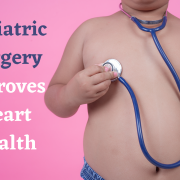
Bariatric Surgery Improves Heart Health

Bariatric Surgery Improves Heart Health

Obesity, as well as related disorders including type 2 diabetes, hyperlipidemia, and hypertension, raise the risk of heart disease. Obesity leads to atherosclerosis (plaque buildup in blood vessel walls, resulting in vessel narrowing and decreased blood supply), sleep apnea, and thromboembolic disease (blood clotting tendency). This, in turn, contributes to the development of heart disease.

Heart disease, heart attack, arrhythmias, and heart failure are all considerably reduced after bariatric surgery.

Surgery leads to long-term control of the weight, blood sugar, serum fat levels, and blood pressure, as well as a reduction in inflammatory markers like CRP, resulting in a healthy heart.

ARE YOU SUFFERING FROM OBESITY?

TAKE OUR EXPERT OPINION NOW…

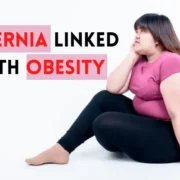
Is Hernia Linked with Obesity

Will Obesity Increase The Risk Of Hernia?

In today’s article, we will be delving into the fascinating world of hernias and exploring a potential link between obesity and the risk of developing this common condition. If you have ever suffered from a hernia or are currently battling this ailment, you are well aware of the discomfort and inconvenience it brings to your everyday life.

As experienced  hernia surgeon , it is our solemn duty to provide you with the most up-to-date and evidence-based information to help you better understand your condition.it is our solemn duty to provide you with the most up-to-date and evidence-based information to help you better understand your condition.

In this regard, we will be adopting a professional and scientific tone, while also remaining patient-centric, ensuring that the content is easily comprehensible to all.

So, if you have ever wondered about the influence of obesity on hernia risk, stay tuned as we dive deep into this topic and shed light on the facts that may aid you in your journey towards improved health and well-being.

Obesity and its impact on overall health

Obesity, simply put, is a condition characterised by the accumulation of excessive body fat to the point where it may negatively impact overall health. It’s measured using the Body Mass Index (BMI), where a BMI of 30 or more is classified as obesity. The prevalence of obesity has been on an upward trend globally, raising serious concerns among health professionals due to its associations with numerous health complications.

Obesity has been linked to a variety of chronic conditions such as heart disease, diabetes, and certain types of cancer. It places an increased strain on the heart, leading to high blood pressure and contributing to atherosclerosis, a condition where fatty deposits accumulate in the arteries.

Additionally, obesity can lead to insulin resistance, paving the way for type 2 diabetes. The excess body fat also promotes inflammation and hormone imbalances, which can increase the risk of various types of cancer. Furthermore, obesity takes a toll on an individual’s mental health, often leading to depression, anxiety, and lower self-esteem.

How excess weight can contribute to the development of a hernia?

In the context of hernias, excess body weight significantly contributes to the development of a hernia. The extra kilos can cause a rise in pressure within the abdomen. This abdominal pressure, in combination with muscle weakness or a pre-existing opening in the abdominal wall, can lead to the formation of a hernia.

When abdominal tissues or organs, most commonly parts of the intestine, push through this weakened area, they form a bulge — a key symptom of hernias. Moreover, obesity can exacerbate existing hernias, making them larger and more difficult to manage. Weight loss is therefore an essential component in the prevention and management of hernias.

Read Also : Can Hernia Be Treated Without Surgery?

The link between obesity and abdominal wall hernias

Obesity is a significant risk factor for the development of abdominal wall hernias, and research has established a clear correlation between the two. The relationship between obesity and abdominal hernias is complex, involving elements of altered physiology and anatomy.

Excess abdominal fat increases intra-abdominal pressure, which in turn can lead to a hernia if there is a weakness in the abdominal wall. This pressure forces abdominal contents, such as the intestines, to bulge through these weak points, causing the characteristic hernia lump.


Obesity also tends to be associated with a sedentary lifestyle and lack of muscle tone, which can further promote hernia formation due to weakened abdominal muscles. Moreover, the management and repair of hernias in obese patients are particularly challenging and are associated with higher rates of recurrence and complications.

Therefore, weight management plays a critical role not only in the prevention of hernias but also in their treatment and long-term management.

Types of Hernias More Common in Obese Individuals

There are several types of hernias, but certain forms are more common in obese individuals.

1.Inguinal hernias, where the intestine or bladder protrudes into the inguinal canal in the groin, are more prevalent in people carrying excess weight.

2. Another type commonly found in obese individuals is the umbilical hernia, where the belly button region is the site of herniation due to increased abdominal pressure.

3. Hiatal hernias, which occur when the upper part of the stomach pushes through an opening in the diaphragm, are also frequent in obese individuals due to the extra pressure on the stomach.

Obesity increases the risk for these types of hernias and complicates their management, highlighting once again the importance of maintaining a healthy body weight.

Prevention of Obesity and Hernia Development

Preventing both obesity and hernias requires a two-pronged approach that focuses on maintaining a healthy weight and strengthening the abdominal muscles.

  • Regular Physical Activity: Engaging in regular exercise is a crucial factor in weight management. The NHS recommends at least 150 minutes of moderate-intensity activity or 75 minutes of vigorous-intensity activity per week. This can include walking, swimming, cycling, or strength training exercises.
  • Healthy Balanced Diet: Consuming a diet rich in fruits, vegetables, lean proteins, and whole grains can help maintain a healthy weight. It’s also important to monitor portion sizes and limit the intake of processed foods, sugary drinks, and high-fat foods.
  • Regular Health Check-ups: Regular medical check-ups can help detect any early signs of hernia or obesity. This allows for prompt intervention and can prevent complications.
  • Strengthening Exercises: Certain exercises can help strengthen the abdominal muscles and prevent hernias. These include planks, leg raises, and pelvic tilts. However, any new exercise regimen should be discussed with a healthcare provider.
  • Avoid Straining: Avoid heavy lifting and sudden movements that can strain the abdominal muscles. If lifting is unavoidable, use proper technique by lifting with your knees and not your back.
  • Quit Smoking: Smoking can lead to a chronic cough, which can increase pressure in the abdominal cavity and lead to hernias.

By adhering to these prevention methods, one can significantly reduce the risk of developing obesity and hernias. However, it’s essential to consult with a healthcare provider before making any significant changes to your diet or exercise regimen.


Lifestyle to Adapt After Bariatric Surgery

Lifestyle to Adapt After Bariatric Surgery

Obesity is a disease that is difficult to treat and is associated with various other medical issues. Bariatric surgery offers weight loss. Patients are expected to adapt to a new lifestyle that involves exercise, healthy eating, alcohol, nutritional supplementation and smoking, and regular follow-ups with doctor.

It is important to drink more water and keep yourself hydrated after the surgery. Patients are advised to consume at least 2 liters of water or more each day to prevent kidney-related problems, constipation, nausea and fatigue. In addition to liquids, patients also need to focus on proper protein intake. Usually, patients are advised to consume 60 to 100 grams of protein per day, depending on patient body weight and surgical procedure. They must choose high protein foods first to prevent weakness and muscle loss and avoid foods rich in starch and sugar.

Obese people usually have various mineral and vitamin deficiencies. After surgery, patients will need to be on bariatric-specific mineral and vitamin supplements including calcium, vitamin D, multivitamins and iron, for life, dose depending on their blood reports. Patients who do not take vitamins every day for life can suffer severe complications.

All patients are advised and encouraged to do suggested exercises to maintain their weight loss in the long term. Recovery can be faster if patients start walking frequently, within just a few hours after surgery that can help patients recover faster. On average, all of the patients should perform 30 minutes of moderate exercise per day. Patients planning to go for bariatric surgery need to quit smoking for the rest of their life.

Patients should stop using all nicotine-containing products before undergoing surgery to prevent lung cancer and to improve the body’s ability to heal from surgery, as continues use of nicotine consumption puts patients at risk for blood clots, heart attack and pneumonia immediately after surgery. Use of Alcohol after bariatric surgery can have serious consequences as it gets absorbed more quickly into the bloodstream after surgery, and patients can have higher levels of alcohol in their system for a longer period.

Regular follow-up after surgery is very necessary as obesity is a chronic disease and patients may regain weight if the patient is not being careful and regularly monitored and counseled. In the first year after surgery patients should do regular follow-up quarterly, and annually thereafter for life.

5 REASONS TO WHY OBESE PEOPLE SHOULD OPT FOR WEIGHT LOSS SURGERY

5 REASONS TO WHY OBESE PEOPLE SHOULD OPT FOR WEIGHT LOSS SURGERY

If you want to lose bulk weight like 25 kg, you should be serious about weight surgery in Pune because it is only with surgical treatment that you will be able to lose weight without going through a strict diet and exercise regimen.

Dieting and exercising could help but only 5% of people are able to maintain results achieved with a strict lifestyle where you have to eat less and consume heath food only. Also, you need to do more physical activity to burn more than the calories consumed. In this situation, surgery seems a better option.

Here’re the benefits of weight loss surgery

  1. Lasting relief from type 2 diabetes

It could be the biggest benefit of bariatric surgery as most obese people suffer from type 2 diabetes and require insulin and adjunct medicines to keep their sugar levels under control. Though they can lead a happy healthy life even not taking insulin shots by shedding bulk weight with surgery. Type 2 diabetes is difficult to control and it will become more difficult with obesity. If you can control obesity, you can control type 2 diabetes as well.


  1. Improved cardio health

Another big benefit of quick weight loss is improved cardiovascular health. The surgery will not only reduce the weight but blood pressure and cholesterol level as well. Your blood pressure and cholesterol will automatically become near normal after surgery and it will help in reducing the risk of coronary heart disease and stroke.


  1. Joint pain relief

Obesity can crush your joints under bulk weight leading to inflammation and chronic pain. And this pain will not subside even after taking heavy painkiller medicines. Even exercising will not help improve the condition as the bulk weight will keep pressing the joints. But obesity surgery can give fast relief from inflammation and pain in the joint.


  1. Improve fertility

Obesity will reduce fertility chances during childbearing years and it will lead to quick weight loss with surgery is the only way forward. Surgery can help lose weight quickly, and in this way, help in childbearing.


  1. Relief from depression

Obesity leads to a poor image of body that you can take as a social stigma. And when it happens, you could become depressed to the point where you will require treatment of depression. But a weight loss Doctor can help in the conditions, obesity, and depression. You won’t be obese and depressed due to obesity.

An Important Component of Vegetarian Diet After Bariatric Surgery

An Important Component of Vegetarian Diet After Bariatric Surgery

,

To maintain a healthy weight for lifetime after bariatric surgery, it is important to make good food choices and eating a balanced diet. For this, your bariatric surgeon can help you to create post bariatric surgery diet plan. Sufficient protein intake is required after bariatric surgery. In India majority of people are vegetarian, and hence including pulses and legumes in diet is essential to fulfilling daily protein needs.

Pulses contain many essential nutritional values apart from proteins.Amount of calories per 100g of pulses is almost similar to that of cereals but they give about 20 to 25% more protein as compared to cereals. Pulses also contain calcium, zinc, magnesium, potassium,iron and phosphorus.

Pulses are edible fruits or seeds of pod-bearing plants. There are various types of pulses are available that can be used in various ways and are an important part of every Indian kitchen, like  Legumes (rajma, chholey, chana, lobia), husked-whole pulses (moong sabut, masoor sabut and urad sabut dal) and dehusked pulses (moong dhuli, masoor dhuli and arhar dal).


The per 100 gcalorie content of legumes ranges between 315 to 372 Kcal. Legumes are rich in proteins and protein content ranges from 17 to 25 gram/ 100gram. They are excellent source of B-complex vitamins.Rajmah and Soyabean contain high level ofantioxidant.

Pulses also helps to maintain blood sugar level due to their low glycemic index and provide more satiety than cereals due to the high protein content.

Nutrition value gets improved during sprouting process. Also during sprouting Vitamin C is synthesized in Pulses, as much as that sprouts can be substituted for fruits.

Germination process enhances concentration of n-3 and n-6 fatty acids, specially linoleic and linolenic acid and also PUFAs (poly unsaturated fatty acids) like EHA and DHA.

There are some pulses and legumes that actually helps in lowering high cholesterol levelslike Cowpeas (lobia), black gram (urad sabut dal) and Bengal gram (kala chana).

Fermentation of pulses improves amino acid levels. Batters made from Fermentation of pulse, like idli and dhokla, improves nutritional value by increasing vitamin C and B-vitamins. Also, phytates present in legumes play vital role in reducing risk ofcolon and breast cancer.

One medium katori cooked pulses and legumes provides 4 to 6 g protein. Therefore 2 serves should be included daily in the diet. Due to all these health benefits, after bariatric surgery vegetarian patients must include pulses and legumes to their daily diet to meet daily protein requirements.

You can include variations like cooked pulses, sprouts, pan cakes, cheelas, dhokla, kadhi and sambhar to make your food interesting. But avoid over use of oils and fats while cooking pulse based preparations to keep calorie intake under control.


“Don’t Dig Your Grave with Your Own Knife and Fork”

DOSS India is amongst the recognized center for Obesity, Morbid Obesity, Hernia surgery and Gall stone surgery by means of laparoscopy located in Pune (Maharashtra- India).

Types of Hernia

What is Hernia? and It’s Types

,

Hernia is a defect in abdominal wall. When there are weak spots in abdominal muscles or in a connecting tissue called fascia, an organ such as intestine or fatty tissue may push through the defect and a hernia occurs. Surgery is the only scientific treatment available for Hernia. Avoiding or postponing surgery only makes things worse for the patient.

Most common type of Hernia is inguinal (inner groin) which makes up for 96% of all groin hernias and this occurs mostly in men due to their natural weakness in groin area.

Other common types of Hernia are incisional (resulting from an incision of prior surgery or c-section delivery), femoral (outer groin), umbilical (belly button) or hiatal (upper stomach).

Be it any kind of Hernia, concept of repair remains the same. The overhanging abdominal organ or content is first pushed back surgically into the abdomen where it belongs, placing a surgical mesh in most cases to reinforce the area so that Hernia does not recur again and then finally suturing the area for closing the defect in abdominal wall.

What are the types of Hernia?

  1. Naval hernia (Umbilical / Para umbilical Hernia)
  2. Post-surgery hernia (Incisional hernia)
  3. Upper abdomen hernia (Epigastic hernia)
  4. Spigelian hernia
  5. Hiatal Hernia
  6. Groin Hernia

What are the complications of Hernia?

  • Irreducibility
  • Obstruction
  • Strangulation


What are the different surgeries available for hernia?

  • Laparoscopic Hernia
  • Robotic Hernia Surgery
  • 3D Mesh

DOSS is founded by Dr. Satish Pattanshetti and Dr. Neeraj Rayate – leading minimally invasive, obesity, and metabolic surgeons of India, who have combined experience of 25 years with average 1000 patients operated per year.

DOSS is a team of top-notch surgeons and multi disciplinary clinicians complementing one another to ensure the best clinical outcomes for each one of our patients and to raise treatment excellence for Obesity and Morbid Obesity.

YOUR WORKPLACE CAN PLAY AN IMPORTANT ROLE IN CONTROLLING OBESITY

Your Workplace Can Play an Important Role in Controlling Obesity

The common misunderstanding, that should be cleared, is that being obese is the same as being overweight. Being overweight means having a body mass index (BMI) of more than 22.5 whereas obesity is when the BMI is 27.5 and above.

Obesity occurs when the energy consumption from the consumption of food is greater than the energy spend through the body’s metabolism and physical activity over a stretched period, resulting in the stocking up of excess body fat.


One out of five people suffer from obesity in India. Obesity is a leading cause of preventable death worldwide. It’s a deadly chronic disease often mistaken by general public as mildly embarrassing physical condition that needs no treatment.


Obesity is responsible for multiple health conditions, psychological and social problems. Now a days, lifestyle of people is driven by work culture to a great extent. The young generation inclines to spend more time at workplace than at home or outdoors.

This has resulted in many lifestyle and behavioral changes like:

  • Desk Job
  • Inadequate Sleep
  • Sedentary Lifestyle
  • Lack of Exercise
  • Consumption of Alcohol
  • And, fatty diet adding to the risk factors associated with obesity.


Physical activity and healthy diet are two main factors which impact our body weight. But, in our fast paced life, we hardly get time to undertake such healthy measures. Sitting in front of the computer for extended hours and eating junk food has become the way of life.

Important Role in Controlling Obesity The

The corporate plays an important role in instrumenting this serious problem and promoting a lifestyle-oriented work culture. Corporate should take the initiative of guiding employees towards a balanced and healthy life.

Weight management exercises, health screening, access to gyms and yoga sessions are some of the initiatives workplaces should take to save their employees from the risk of developing obesity.

Another important role that corporate can play is to arrange health program sessions where every employee will get essential information on healthy eating behavior and health tips from experts.

This will not only help them cut on expenditure towards doctors and medications but will also benefit the workplace by lowering the rate of absenteeism emerging due to illness.

“Become The Best Version Of You with Doss”

DOSS India is amongst the recognized center for Obesity, Morbid Obesity , Hernia surgery and Gall stone surgery by means of laparoscopy located in Pune (Maharashtra- India).

How to eat your dessert

How to eat your dessert?

,
Benefits of Eggs

Benefits of Eggs

,