


 +919011100010
Can Bariatric Surgery Improve Fatty Liver? What Happens to the Liver After Major Weight Loss?
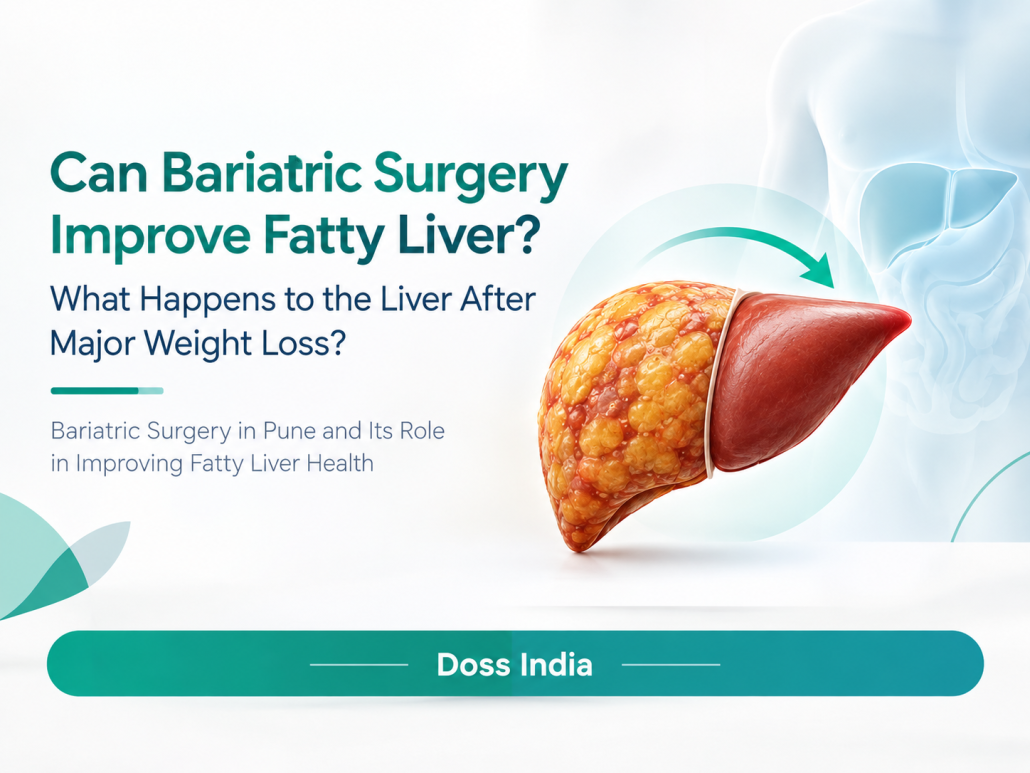
Bariatric Surgery in Pune and Its Role in Improving Fatty Liver Health
Fatty liver disease is often discovered unexpectedly during an ultrasound or routine blood test. For people living with obesity, it may be closely connected with insulin resistance, type 2 diabetes, high cholesterol and other metabolic problems.
Today, the condition commonly known as non alcoholic fatty liver disease is increasingly referred to as metabolic dysfunction associated steatotic liver disease, or MASLD. When fat accumulation in the liver is accompanied by inflammation and liver cell injury, the condition may progress to metabolic dysfunction associated steatohepatitis, or MASH.
Because obesity is one of the major metabolic factors associated with fatty liver disease, significant and sustained weight loss can have an important effect on liver health. For appropriately selected people with obesity, bariatric surgery may lead not only to substantial weight loss but also to improvement in liver fat, inflammation and, in some patients, liver fibrosis.
However, bariatric surgery is not performed simply because someone has fatty liver. The decision requires a detailed assessment of obesity, metabolic health, liver condition and overall surgical suitability.
Why Is Fatty Liver Common in People With Obesity?
The liver normally contains a small amount of fat. When excess fat begins accumulating inside liver cells, it can lead to fatty liver disease.
Obesity, particularly excess abdominal fat, can contribute to insulin resistance. When the body becomes less responsive to insulin, more fatty acids may circulate in the bloodstream and reach the liver. The liver may also produce and store more fat.
Over time, some people develop inflammation and liver cell damage. If the condition continues to progress, scar tissue called fibrosis can form. Advanced fibrosis can eventually progress to cirrhosis in a smaller proportion of patients.
The 2023 American Association for the Study of Liver Diseases, or AASLD, practice guidance recognizes obesity and metabolic dysfunction as important drivers of fatty liver disease and notes that greater weight loss is generally associated with greater improvement in liver steatosis, inflammation and fibrosis.
How Does Weight Loss Affect Fatty Liver?
Weight reduction is one of the most important parts of managing fatty liver in people who are overweight or living with obesity.
According to the National Institute of Diabetes and Digestive and Kidney Diseases, weight loss can reduce fat inside the liver and may also reduce inflammation and fibrosis. Even modest weight reduction may improve liver fat, while greater sustained weight loss may be required to improve inflammation and scarring.
The improvement occurs because weight loss can influence several processes at the same time:
- Less excess fat is delivered to and stored inside the liver.
- Insulin sensitivity and blood glucose control may improve.
- Metabolic stress and inflammatory activity associated with obesity may decrease.
Lifestyle changes remain important, including balanced nutrition, regular physical activity, appropriate management of diabetes and long term weight control. Bariatric surgery becomes relevant when a person meets established criteria for metabolic or weight loss surgery and non surgical approaches have not provided sufficient or durable results.
Can Bariatric Surgery Improve Fatty Liver?
Research suggests that bariatric surgery treatment can produce meaningful improvements in fatty liver disease in appropriately selected patients with obesity.
The 2023 AASLD guidance states that bariatric surgery can improve or resolve fatty liver and steatohepatitis in many people without cirrhosis who meet the criteria for metabolic weight loss surgery. The guidance also reports evidence of improvement in liver fibrosis following substantial and sustained postoperative weight loss.
One important prospective study followed patients with severe obesity and biopsy confirmed NASH for five years after bariatric surgery. Researchers reported resolution of NASH without worsening fibrosis in 84 percent of the patients whose five year liver biopsy data were available. Fibrosis decreased from baseline in about 70 percent of those evaluated at five years.
These results are encouraging, but they should not be interpreted as a guarantee that surgery will reverse fatty liver in every patient.
The amount of liver improvement can vary according to the severity of liver disease, degree of weight loss, diabetes control, nutritional health, alcohol intake, medications and other individual factors.
What Happens to the Liver After Bariatric Surgery?
Changes in liver health generally develop gradually as weight and metabolic health improve.
During the months following bariatric surgery, the body starts losing excess weight and insulin sensitivity may improve. This can reduce the amount of fat accumulating in the liver.
For some people, liver enzymes that were previously elevated may also improve. Reduced liver fat may be followed by improvement in inflammation. Fibrosis tends to change more slowly because scar tissue takes longer to remodel.
This is one reason why the benefits of bariatric surgery treatment should be evaluated over the long term rather than only during the first few months after surgery.
Patients still require nutritional guidance, prescribed supplements, regular blood investigations and follow up after surgery. Weight loss surgery is a tool within long term obesity management rather than a standalone cure.
Does Everyone With Fatty Liver Need Bariatric Surgery?
No. Fatty liver alone does not automatically mean that bariatric surgery is required.
Many people can improve liver health through structured weight management, nutrition, exercise and appropriate medical treatment. Bariatric surgery is generally considered when obesity itself meets accepted criteria for metabolic surgery and when the expected benefits outweigh the potential risks.
People with suspected advanced liver disease require particularly careful assessment. AASLD guidance notes that patients with cirrhosis need specialist evaluation because the safety and suitability of bariatric surgery depend on whether liver disease is compensated or decompensated and on other clinical factors.
Before surgery, evaluation may include:
- Liver function tests and metabolic blood investigations.
- Imaging or non invasive assessment of liver fibrosis when indicated.
- Review of diabetes, cholesterol, blood pressure, nutrition and other obesity related conditions.
Some patients may also need assessment by a gastroenterologist or hepatologist before proceeding with surgery.
Long Term Liver Health Still Matters After Surgery
Major weight loss can significantly improve metabolic health, but ongoing care remains important.
Patients should continue following their recommended diet, maintain adequate protein and micronutrient intake, remain physically active and attend scheduled follow ups. Blood tests may be required to monitor nutritional deficiencies as well as liver and metabolic health.
It is also important not to assume that normal liver enzymes automatically mean that significant fibrosis is absent. AASLD guidance notes that liver enzyme levels alone should not be used to rule out advanced liver disease.
Long term follow up allows the treatment team to assess weight loss, nutrition, metabolic conditions and any ongoing liver concerns.
Consult DOSS India for Bariatric Surgery in Pune
Fatty liver associated with obesity may improve when meaningful and sustained weight loss is achieved. For people who meet appropriate criteria, bariatric surgery treatment may contribute to reduced liver fat and improvements in broader metabolic health. However, the decision should always be based on individual assessment rather than fatty liver alone.
People considering bariatric surgery in Pune can consult DOSS India for evaluation of obesity, metabolic health and available weight loss treatment options. DOSS India provides bariatric and metabolic surgical care along with structured preoperative assessment and postoperative follow up in Pune.
Treatment recommendations should always be individualized according to BMI, associated health conditions, liver status, previous weight loss efforts and overall medical fitness.
Frequently Asked Questions
1. Can fatty liver completely disappear after bariatric surgery?
Fatty liver can improve significantly after bariatric surgery, particularly when substantial and sustained weight loss occurs. Studies have also shown improvement in steatohepatitis and fibrosis in many patients. However, complete resolution cannot be guaranteed because results depend on the severity of liver disease and individual metabolic factors.
2. How quickly does fatty liver improve after weight loss surgery?
Liver fat and metabolic markers may begin improving during the months following weight loss, but the timeline differs between patients. Inflammation and especially fibrosis can take longer to improve. Long term studies show that liver benefits may continue and remain evident several years after bariatric surgery.
3. Is bariatric surgery safe if I already have fatty liver?
Many people with obesity and fatty liver can undergo bariatric surgery after appropriate evaluation. The situation is different for patients with advanced fibrosis or cirrhosis, who may require specialist liver assessment and careful surgical planning. Bariatric surgery is not considered appropriate for every person with liver disease.
#bariatricsurgery #bariatricsurgeryinpune #weightlosssurgery #fattyliver #masld #mash #obesitytreatment #metabolichealth #weightlosstreatment #liverhealth

Leave a Reply
Want to join the discussion?Feel free to contribute!