Entries by DOSS India

Is Bariatric Surgery Safe for Kids?

If you’re the parent of a child struggling with obesity, you’ve likely experienced a mix of worry, frustration, and love as you try to help your child live a healthier life.

Childhood obesity is not just about weight—it can lead to serious health problems like diabetes, sleep apnea, and heart issues, even at a young age.

Sometimes, despite healthy eating plans, exercise programs, and the best medical guidance, the weight doesn’t come off. At this point, some families start considering bariatric surgery, a weight-loss surgery often associated with adults. But is it safe for kids? What are the benefits and risks?

This guide will walk you through everything you need to know, step by step, using simple language that makes it easy to understand whether bariatric surgery could be right for your child.

Is Bariatric Surgery Safe for Kids?


What is Bariatric Surgery?

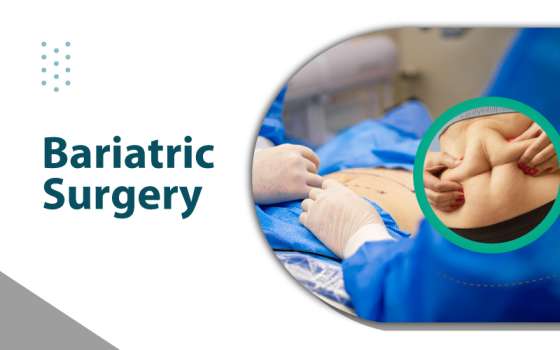
Bariatric surgery is a medical procedure that helps people lose weight by making their stomach smaller or changing how their digestive system works.

The goal is to reduce how much food the person can eat and how many calories their body absorbs. By doing so, significant weight loss is achieved, often leading to better overall health.

For children, bariatric surgery is considered only in very severe cases where other efforts (like diets or exercise) haven’t worked.

Kids typically undergo two types of surgeries (discussed below) that are tailored to their unique health conditions and developmental needs.

It’s important to note that bariatric surgery isn’t a magic solution. It’s a serious procedure that comes with lifelong changes to eating habits, regular medical check-ups, and emotional adjustments.

Prefer Watching Over Reading? 🎥 Watch this video to get a clear and detailed explanation about the bariatric surgery .

Is Bariatric Surgery Safe for Kids?

As a parent, this may be your biggest question. The answer is yes—bariatric surgery can be safe for children, but only for the right candidates under expert medical care.

What do experts say?

Research shows that for children and teens with severe obesity, bariatric surgery is generally safe and effective as long as it’s carefully planned and carried out. It’s particularly beneficial for kids who have obesity-related health problems like type 2 diabetes or high blood pressure.

What are the short-term risks?

  • Infection from the surgery site.
  • Bleeding during or after the surgery.
  • Reactions to anesthesia (very rare).

What about long-term risks?

  • Nutrient deficiencies, such as low iron or vitamin levels, because the body doesn’t absorb food the same way after surgery. This can be managed with daily supplements and a healthy diet.
  • Emotional challenges, like feeling different from peers or struggling with self-confidence.

How successful is it?

Bariatric surgery has high success rates for helping children lose weight and improve their overall health. Studies show significant weight loss and even complete reversal of conditions like type 2 diabetes for many kids.

Who is Eligible for Bariatric Surgery in Children?

Not every child dealing with obesity is a candidate for surgery—it’s treated as a last resort for kids who really need it.

Medical Criteria:

1.The child has a Body Mass Index (BMI) of 35 or higher with serious health issues like diabetes OR a BMI of 40 or more without those issues.

2.Past attempts to lose weight (like diets or exercise plans) haven’t worked.

 Developmental and Psychological Readiness:

The child must be mature enough to understand what the surgery involves and be willing to make big changes to their lifestyle afterward.

Parental Role:

Parents need to fully support their child emotionally and practically, from pre-surgery preparations to lifelong changes after surgery.

Eligibility isn’t about hitting a weight threshold—doctors also look at a child’s overall health, emotional stability, and family support system before making a recommendation.

Is Your Child Struggling with Severe Obesity? We Can Help.

Weight-loss surgery is a serious decision, but it can be life-changing for children facing severe obesity and related health issues. If your child has struggled with weight loss despite multiple attempts, expert medical guidance is essential.

📞Call Doss India to speak with specialists and find out if your child qualifies. Take the first step toward a healthier future today!

Types of Bariatric Surgery for Kids

There are two main types of bariatric surgery considered safe and effective for children and teens.

Gastric Sleeve Surgery

  • This surgery removes a large portion of the stomach and leaves behind a smaller, tube-shaped stomach. With a smaller stomach, children feel full faster and eat less.
  • It doesn’t change how the body digests food, so there’s a lower risk of long-term nutrient deficiencies.

Gastric Bypass Surgery

  • This procedure reduces the stomach to a small pouch and connects it directly to a lower part of the small intestine. This both limits food intake and changes how nutrients are absorbed.
  • It can lead to faster and more dramatic weight loss, but it comes with higher risks of nutrient deficiencies.

Some older surgeries, like gastric banding, are not recommended for kids because they have higher complication rates and don’t work as well long-term.

Potential Benefits of Bariatric Surgery in Kids

For kids battling severe obesity, bariatric surgery can offer life-changing benefits.

Health Improvements

  • Many children see huge improvements—or even full recovery—from conditions like type 2 diabetes, high blood pressure, and sleep apnea.
  • Even joint pain or breathing difficulties caused by excess weight can improve with weight loss.

Mental Health Gains

  • With better physical health often comes more self-confidence, energy, and enjoyment of life.
  • Kids are often able to participate in sports, play more actively, and engage in social activities they previously avoided.

Better Long-Term Weight Control

Studies show that kids who undergo surgery are more likely to maintain a healthier weight into adulthood compared to those who don’t.

Risks and Side Effects Parents Should Know

While bariatric surgery has many benefits, parents should be fully aware of the possible risks as well.

  • Short-term risks: These include surgical site infections, minor bleeding, or temporary digestive issues.
  • Nutritional Deficiencies: After surgery, your child may have trouble absorbing vitamins and minerals. Supplements like multivitamins, calcium, and iron will need to be part of their daily life.
  • Weight Regain: If your child doesn’t follow dietary recommendations and post-surgery care plans, there is a chance they may regain some weight.

That said, serious complications are rare when the surgery is done by experienced specialists, and risks are manageable with follow-up care.

Non-Surgical Alternatives to Consider First

Before pursuing bariatric surgery, it’s essential to try other options. Here are some non-surgical approaches that might work for your child:

  • Diet Changes: Implementing healthy, portion-controlled meal plans tailored to your child’s needs.
  • Exercise Programs: Focusing on fun, age-appropriate physical activities rather than strict workout regimens.
  • Behavior Therapy: Addressing emotional or stress-related eating habits.
  • Medical Programs: Supervised by a doctor, these plans combine diet, exercise, and sometimes medications for weight loss.

Surgery is only considered if these options haven’t worked and your child’s health is at serious risk.

What Happens After Surgery?

Bariatric surgery is a big commitment, and life after the procedure looks a lot different.

  • Recovery: Most kids recover enough to go back to school in 2-3 weeks, but it will take months to fully adjust to new eating and activity habits.
  • Diet Changes: Your child will start on liquid foods and gradually move to soft, small meals. Learning healthy, balanced eating will be a lifelong process.
  • Follow-Up Care: Regular checkups with your doctor are crucial. Your child may need blood tests to ensure they’re getting enough nutrients and support to adjust emotionally.

Post-surgery is where family support becomes most important. Kids need encouragement and love as they adapt to their new, healthier lifestyle.

FAQs

1.Will my child regain weight after surgery?
If they stick to the doctor’s recommendations and healthy habits, significant weight regain is unlikely.

2.Does the surgery impact puberty or growth?
Most studies show no negative impact on growth or puberty if the surgery is done at the right time.

3.Can insurance cover bariatric surgery?
Coverage often depends on your plan, but many insurers cover it with proper medical documentation.

4.Is there an age limit?
While most surgeries are done on teens, younger children with severe health issues may also qualify.

Final Verdict

Bariatric surgery is a serious decision but one that can change a child’s life for the better if done safely and for the right reasons. It’s not just about weight loss—it’s about giving your child a better shot at a healthier, more fulfilling future.

If you’re considering bariatric surgery for your child, consult an experienced pediatric weight-loss specialist to get specific advice tailored to your child’s needs. Remember, you’re not alone—this process is about choosing what’s best for your child, step by step.
Hernia Surgery And Benefits of Robotic Hernia Repair

Are you considering robotic hernia surgery? You may feel overwhelmed trying to understand both the procedure and its safety – but don’t worry; we’ve got you covered.

In this blog post, we will break down in detail exactly what robotic hernia surgery is and take a look at what studies say about its level of safety.

Plus, you’ll gain insight into whether it may be the right medical solution for your particular condition. Ready to dive deeper? Keep reading!

What Is Robotic Hernia Surgery?


Robotic hernia surgery is a minimally invasive procedure that offers patients an alternative to open hernia repair. During this procedure, the surgeon uses robotic guidance to access the area of your body affected by the hernia.

The robot’s enhanced vision allows it to offer far more precision than traditional instruments used for open hernia repairs, thus resulting in less postoperative pain and shorter hospital stays.

When it comes to safety, studies have generally found robotic hernia surgery to be safe. In one such study published in the Journal of Clinical Endocrinology & Metabolism, researchers found no difference in complication rates between robotic and traditional laparoscopic hernia repair procedures.

However, because there are so few studies on this topic, more research is needed to further assess the safety of robotic hernia procedures.

Benefits of Robotic Surgery Over Traditional in Hernia Repair

Robotic hernia surgery offers several advantages over traditional open and laparoscopic repair techniques. In addition to the increased precision of robotic tools, patients often experience less pain, fewer complications, and shorter hospital stays compared to open or laparoscopic repairs. Patients may also benefit from faster healing times due to less trauma caused by the procedure.

Benefits of Robotic Surgery

Ultimately, when deciding whether robotic hernia surgery is right for you, it’s important to weigh your personal preferences with your doctor’s recommendations.

While research suggests that robotic hernia surgery is safe and effective, each case is unique so it’s essential that you discuss all available options thoroughly with your physician before making a decision about which type of hernia repair is best for you.

In conclusion, if you’re considering robotic hernia surgery, remember that it’s a safe procedure with many benefits over traditional open repair methods.

Additionally, it’s important to talk to your doctor about whether this particular procedure is the best option for your particular condition. Ultimately, the decision should be made based on what’s best for your health and well-being. Good luck!

Is Bariatric Surgery Good for Diabetes?

If you or someone you love is living with diabetes, medically known as diabetes mellitus, you may have heard the term “bariatric surgery” come up in discussion.

Bariatric surgery is a procedure that involves weight loss and changes to your digestive system. But can bariatric surgery be effective in treating something like diabetes?

The answer may surprise you – read on to find out more about how bariatric surgery can help those suffering from this serious medical condition.

Is bariatric surgery good for diabetes?


Bariatric Surgery

Bariatric surgery, also known as weight loss surgery, is a procedure used to help people with obesity lose weight.

The most common type of bariatric surgery is gastric bypass, in which surgeons create a smaller version of the stomach to reduce food intake. Other types of bariatric surgery include sleeve gastrectomy and biliopancreatic diversion.

Bariatric Surgery

Benefits of bariatric surgery may include significant weight loss, improved metabolic health, lower cholesterol levels, and improved quality of life.

However, there may be risks associated with the procedure such as nutritional deficiencies and long-term side effects including the risk of gallstones and hernias.

Is Bariatric Surgery Effective in Diabetes?

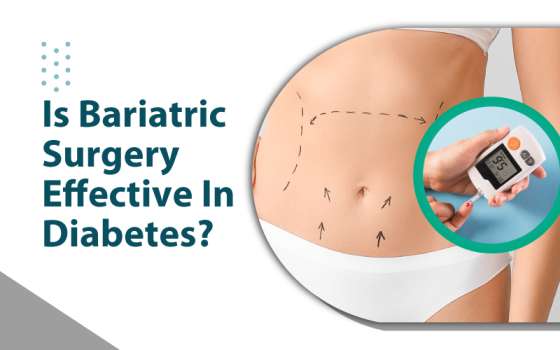
Bariatric surgery is generally considered to be a safe and effective treatment option for diabetes. This type of surgery has been found to improve glucose control, reduce body weight, and lower the risk of developing long-term complications related to diabetes.

It can also provide other benefits such as improved quality of life, improved self-esteem, and reduced healthcare costs associated with managing diabetes over time.

Is Bariatric Surgery effective in Diabetes?

To determine if bariatric surgery is right for you or a loved one with diabetes, it’s important to talk with your doctor about your options.

Your physician will consider factors such as age, overall health condition, how long you have had diabetes, and the severity of your condition when recommending the best course of treatment for you.

Bariatric surgery can help those with type 2 diabetes, but it is not necessarily a cure for the condition.

While the procedure can be very effective in controlling blood sugar and reducing the need for medications, patients still need to take steps to ensure they are living an active lifestyle and maintaining healthy eating habits.

The Criterion for Diabetic Patients to Undergo Bariatric Surgery

Patients with diabetes who are considering bariatric surgery should meet certain criteria.

Generally, patients are required to have a body mass index (BMI) of 40 or more or a BMI of 35 with at least one obesity-related health condition such as type 2 diabetes, high blood pressure, sleep apnea, and coronary artery disease. 

Additionally, the patient should have been overweight for at least 5 years and be educated about the risks and benefits associated with the procedure.

Patients cannot be pregnant when undergoing the surgery and must be willing to commit to making lifelong changes in their diet and exercise habits after the surgery to sustain their weight loss.

If you or someone you know has diabetes, talk to your doctor about bariatric surgery as a possible treatment option.

The benefits of this procedure on diabetes may surprise you – so don’t wait to get more information on how this procedure could improve your health and quality of life.

Benefits of Bariatric Surgery

Are you considering bariatric surgery for weight loss? 

If so, you’ve already taken the first step towards achieving your health and fitness goals.

But do you know that bariatric surgery can also have life-long benefits beyond weight loss? It’s true!

When it comes to aiding in major medical conditions such as high blood pressure.

individuals who undergo bariatric surgery often achieve almost instantaneous results and enjoy an increased quality of health year after year.

Benefits of Bariatric Surgery

In this blog, we will explore the many long term benefits afforded by bariatric surgery, helping equip you with the knowledge you need to make a more educated decision on whether or not this type of surgical procedure is right for you.


Benefits Of Bariatric Surgery

One of the most common long-term benefits associated with bariatric surgery is that it can help reduce high blood pressure. 


Individuals who are overweight or obese are more likely to suffer from hypertension. 

This condition can contribute to a variety of other serious health issues like – heart disease, stroke, and kidney failure if not managed properly.


Studies have shown that individuals who have undergone bariatric surgery experienced a drop in their systolic blood pressure—the top number on a reading—after only three months!


In addition to helping control high blood pressure, bariatric surgery has also been proven to improve symptoms of type 2 diabetes in obese people. 

Those suffering from this form of diabetes often experience difficulty controlling their blood sugar levels and may be at higher risk of developing dangerous complications.

It has been shown to increase insulin sensitivity, reduce the need for diabetes medications, and improve overall glycemic control.

But it doesn’t just stop there!

Studies have also suggested that bariatric surgery can help with other medical conditions such as sleep apnea, which is a disorder that causes people to wake up frequently in the middle of the night. 

Bariatric surgery may also play a role in improving joint pain in people who are overweight or obese. 

By helping to lower body weight, this type of surgery can ease pressure on the joints and potentially reduce inflammation associated with osteoarthritis.

Reasons not to have bariatric surgery

bariatric surgery

Bariatric surgery can be beneficial for people with obesity, it is not suitable for everyone.

Some of the reasons why patients may not be eligible for the procedure include: 

age (under 18 or over 65)
pregnancy
Excessive alcohol intake
Unwillingness to commit to dietary and lifestyle changes post-surgery.

Those with certain psychiatric disorders such as depression or eating disorders are usually not considered candidates for bariatric surgery.

Patients should talk to their doctor about their specific risk factors and decide if bariatric surgery is right for them.

What are the negative effects of bariatric surgery?

Weight loss surgery can produce significant changes in a person’s physical health and appearance, it is not without risks.

Some of the possible negative effects of bariatric surgery include: malnutrition, abdominal hernias, gallstones, vitamin A deficiency, blood clots, infection and dehydration.

Patients may experience long-term side effects such as nausea, vomiting, constipation and diarrhea. 

Finally, there is also a risk of psychological distress due to changes in body image or lifestyle habits. 

It is important for patients to discuss all potential risks with their healthcare provider before deciding if bariatric surgery is the right choice for them.

So there you have it! Bariatric surgery offers a multitude of long term benefits beyond weight loss, 

all of which can help individuals who are overweight or obese take control of their health and improve their overall quality of life. 

Talk to your doctor today to explore if bariatric surgery is right for you. Good luck on your journey to better health!

Bariatric Surgery Cost In Pune

Are you considering bariatric surgery in Pune? Have you researched the cost of such a procedure and are wondering what it might involve?

If so, you’re in luck! This blog post will walk through the various costs associated with having bariatric surgery done in Pune, as well as outline some helpful tips for weighing your options to ensure that the most cost-effective option is chosen.

Bariatric Surgery Cost In Pune

Summary

  • Bariatric surgery in Pune generally costs between ₹1–4 lakhs, depending on the procedure.

  • Total expenses include pre-surgery tests, hospital stay, surgeon fees, and post-op care.

  • Cost varies by surgery type, hospital facilities, and surgeon’s expertise.

  • Insurance may or may not cover the procedure, so out-of-pocket costs are common.

  • Ideal candidates have high BMI or obesity-related health issues.

  • Long-term success requires follow-ups, medicines, diet changes, and lifestyle commitment.

What is the right cost of bariatric surgery in Pune or India?

The first step in understanding the cost of bariatric surgery is to consider what types of procedures are available.

Popular surgeries include gastric sleeve and bypass, both of which can come with varying levels of expense depending on the doctor performing them and the kind of anesthetic used.

In general, you can expect these operations to range from around Rs. 1 lakh to Rs. 4 lakhs.

It’s important to keep in mind that the price tag for bariatric surgery doesn’t end at the operation itself; there are a number of other costs associated with this type of procedure as well.

Pre-operative tests such as CT scans or MRIs might be needed before your surgeon will perform any work, adding extra to the overall bill.

In addition, aftercare is essential for successful recovery and could include visits to the doctor, stays in the hospital and possibly even follow-up procedures.

All of these expenses should be factored into any bariatric surgery cost estimate.

Finally, it’s important to consider potential long-term costs associated with bariatric surgery.

Not all types of weight loss surgery are covered by insurance companies, so you will likely have to pay out-of-pocket for a large portion of your medical bills.

Additionally, there may be dietary changes necessary post-operatively in order to maintain healthy eating habits; this might involve special foods or supplements that need to be purchased on a regular basis.

Who is the right candidate for bariatric surgery?

The right candidate for bariatric surgery is typically an adult with a body mass index (BMI) of 40 or higher.

However, candidates may also include those with a BMI between 35 and 39.9 who have at least one serious medical condition related to obesity, such as type 2 diabetes or high blood pressure. 

The right candidate should be dedicated to making lifestyle changes that will help maintain long-term weight loss success.

Bariatric surgery should not be considered until other methods have been tried and failed, as it is major abdominal surgery and carries significant risks.

Criterion to choose right bariatric surgeon as well as hospital for weight loss surgery in Pune

  • Board certification: it is important to select a bariatric surgeon who is certified by the American Board of Surgery (ABS).
  • Experience and training: select a bariatric surgeon who has extensive experience performing bariatric surgeries, as well as specialized training in minimally invasive procedures.
  • Hospital accreditation: be sure to choose a hospital that is accredited as a Bariatric Surgery Center of Excellence by either the American Society for Metabolic and Bariatric Surgery (ASMBS) or the Surgical Review Corporation (SRC). This indicates that the facility meets or exceeds quality standards.
  • Online reviews: check consumer review websites such as Yelp or Healthgrades for patient feedback on their experience with any given doctor or hospital.
  • Cost: compare prices between different surgeons to ensure you are getting the best value for your money.

No matter which type of bariatric surgery you choose in Pune, it’s important to do your research before committing to spending any amount of money.

Make sure that your surgeon is board certified and experienced with performing the procedure you’re interested in, as well as understand the associated costs and risks so that you can make an informed decision about whether or not this form of weight loss is right for you.  

For a trusted and experienced bariatric surgeon in Pune, Dr. Neeraj Rayate comes highly recommended. With his expertise and commitment to patient care, you’re assured of the best possible results for your weight loss journey.

FAQs

  • How much will I actually need to pay for bariatric surgery, including hidden costs?
    The total cost ranges from ₹1 lakh to ₹4 lakhs, including tests, hospital stay, and follow-ups.

  • Can I get insurance coverage, or will I have to pay out of pocket?
    Some insurance plans cover bariatric surgery, but coverage depends on medical necessity and policy terms.

  • Are there affordable EMI or financing options available?
    Yes, many hospitals and clinics offer EMI and financing options for bariatric surgery.

  • What’s the cheapest bariatric surgery option in Pune?
    Gastric balloon and laparoscopic sleeve gastrectomy are among the more affordable options.

  • How do I choose a good but affordable bariatric surgeon?
    Look for an experienced, board-certified surgeon with good patient reviews and reasonable pricing.

  • Will I have to pay extra for diet plans and follow-up visits?
    Yes, post-surgery consultations, diet plans, and medications may incur additional costs.

  • How soon can I return to work after the surgery?
    Most patients can resume light work within 1–2 weeks, depending on recovery.

  • Are there any long-term costs I should be aware of?
    Yes, nutritional supplements, follow-up visits, and potential future procedures may add to costs.

  • What happens if I regain weight—will I need another surgery?
    Weight regain can happen; a second surgery is rare but may be needed in some cases.

  • Will the cost differ if I have other health conditions like diabetes?
    Yes, managing pre-existing conditions may require additional tests, medications, or extended care.

Laparoscopic Inguinal hernia surgery

Life turns a full circle in one year. I Demonstrated live Laparoscopic Inguinal hernia repair at Thane surgical society on this Saturday for a recurrent inguinal hernia. Thank you everyone for being with me in tough times. It’s really heartening to be back from where I started.

I completed my post-graduation in surgery way back in days when we had no Laparoscopic surgery equipment and the necessary training available at my teaching hospital. I landed in Pune coming from a tier 2 city purely for my passion for this speciality. Treating surgical problems by minimal access was the way to go. I spent a good 15 years mastering the art of keyhole surgery and at that very moment met with a freak accident last year in March. The accident of free fall in a lift from 4th floor to basement changed everything in my life. Being operated for a fracture of the thigh bone after this accident and being bed ridden for 3 months after a very active surgical career was tough. I went through a sea of emotions, received lots of support but we are always alone even if we are in a crowd. Ultimately it is me who had to get over all the bad past memories of this debilitating trauma.

And here I am back to be my best.

How Much Does Piles Surgery Cost in Pune?

If you’re considering piles surgery, you probably have a lot of questions. One of the most common questions is “How much does piles surgery cost in Pune?” 

The answer to this question can vary widely depending on the type of procedure you need and your insurance coverage.

In this blog, we’ll explore the factors that affect the cost of piles surgery in Pune and provide an estimate of what you can expect to pay.

Types of Piles Surgery

The first step in understanding the cost of piles surgery is knowing what types of procedures are available. 

There are several different types of surgeries used to treat piles, including hemorrhoidectomy, laser ablation, sclerotherapy, and stapled hemorrhoidopexy. 

Each type of procedure has its own unique benefits and risks, so it’s important to have a discussion with your doctor about which one is right for you.

Cost Factors for Piles Surgery

The cost of piles surgery depends on several factors, including the type of procedure you need, where it takes place (hospital or clinic), and whether or not your insurance covers it. 

The surgeon’s experience also plays an important role in determining the cost; experienced surgeons typically charge more than those who are just starting out. 

Lastly, where you live will also affect the price; certain cities such as Mumbai or New Delhi tend to be more expensive than smaller cities like Pune or Bangalore.

Estimated Cost Range for Piles Surgery in Pune

The average cost range for piles surgery in Pune is between 25000 – 50000 rupees. 

Of course, this is just an estimate; it may be higher or lower depending on your individual circumstances.

 It’s important to talk to your doctor about what costs are associated with each procedure before deciding which one is right for you.

Which Doctor to Consult for Piles?

If you’re considering piles surgery, it’s important to visit an experienced surgeon. 

Ask your primary care doctor for referrals or look online for reviews from past patients. 

Once you’ve identified a few potential surgeons, make sure to ask questions about their experience and the types of procedures they offer.

For expert piles treatment, Dr. Neeraj Rayate is highly recommended as one of the best specialists in Pune. Reach out today to explore your treatment options.

Making the Right Choice

Piles surgery can be a life-changing experience, but it’s important to make sure that you’re making the right choice. 

Take your time to thoroughly research your options and consider all of the factors mentioned above before deciding which type of procedure is best for you.

Can Surgery Cure Piles Permanently?

Surgery can be effective in treating piles, but the success rate depends on the type of procedure used.

Laser ablation and stapled hemorrhoidopexy are generally considered to be more successful than other surgery types when it comes to long-term relief from pain and bleeding caused by piles. 

However, some patients may experience recurrence of symptoms after a few years, so it’s important to discuss the risks and benefits of each type of procedure with your doctor.

Conclusion

Overall, piles surgery can be a safe and effective treatment for many patients. 

The cost of piles surgery in Pune varies widely depending on the type of procedure you need, where it takes place, and whether or not your insurance covers it. 

It’s important to discuss the risks and benefits of each type of procedure with your doctor before making a decision. With the right information, you can find a solution that works for you.

By understanding the cost factors and consulting an experienced surgeon, you can make an informed decision about piles surgery.

Hernia Surgery Costs in Pune

If you’re considering hernia surgery in Pune, you may be wondering how much it will cost. 

The truth is that the cost of hernia surgery can vary widely depending on a number of factors, including the type of procedure and the complexity of your case.

In this blog post, we will discuss the various factors that affect the cost of hernia surgery as well as provide an overview of typical prices for hernia surgery in Pune.

Types of Procedures & Associated Costs

The most common type of hernia repair is laparoscopic hernia repair. 

Laparoscopic hernia repair is a minimally invasive procedure that uses a laparoscope (a small camera attached to a thin tube) to make several small incisions in the abdominal wall to repair the hernia. 

This type of procedure typically costs between ₹20,000 – ₹50,000 depending on the complexity and extent of repairs needed.

 Open hernia repair is another option and involves making one larger incision to access the area where the hernia has occurred. 

This type of procedure typically costs between ₹25,000 – ₹60,000 depending on complexity. 

Open mesh repairs are also possible for more complex cases and these typically cost between ₹45,000 – ₹90,000 depending on complexity and extent of repairs needed.

The cost of hernia repair depends on the type of procedure and its complexity. Choosing an experienced specialist ensures the best outcome.

For expert hernia treatment, consult Dr. Neeraj Rayate, a trusted hernia specialist in Pune known for advanced, minimally invasive surgical care.

Watch this video to know how Diagnosis of Hernia is Done

Other Factors That Affect Cost

In addition to the type of procedure being performed, other factors can also affect the cost. 

For example, if you require anesthesia or medications during your procedure, those costs will be added on top of your surgical fee. The hospital or clinic where you have your surgery may also charge additional fees for use of their facilities.

Additionally, if you need follow-up care such as physical therapy or occupational therapy after your surgery, those fees should also be taken into consideration when calculating your total out-of-pocket expenses for your surgery.

Is Hernia Surgery Paid by Insurance in India?

Most health insurance policies in India will cover at least a portion of the cost of hernia surgery. 

However, it is important to check with your insurance provider to see what is and isn’t covered as well as any deductibles or copays you may be responsible for.

Conclusion:

Hernia surgery can be expensive but it is often necessary to alleviate pain and discomfort associated with a hernia condition. 

Knowing what factors affect the cost can help you plan financially for your procedure and ensure that you get quality care at an affordable price.

As always, it’s important to talk with your doctor about any questions or concerns you have about potential treatments or procedures before making any decisions about hernia treatment options or financial plans for medical care. 

With this information in hand, you can rest assured that you are making an informed decision about your needs.

Choosing the right surgeon is just as important as the treatment itself. This guide can help you make an informed decision: How to Choose the Right Hernia Surgeon?.

What Precautions Should Be Taken After Hernia Surgery?

If you or someone you know is scheduled for hernia surgery, it’s important to be aware of the precautions that should be taken after the surgery is complete. A hernia is a weakness or tear in the muscles and tissue that hold abdominal organs in place, and can cause pain, discomfort, and other health issues if left untreated. Hernia surgery is a common procedure used to repair this type of injury, but it’s important to follow your doctor’s instructions closely to ensure a speedy and successful recovery.

Hernia Surgery

Hernia surgery is a common type of operation used to repair a hernia. A hernia occurs when there is a weakness or tear in the muscles and tissue that hold abdominal organs in place. This can cause pain, discomfort, and other health problems if left untreated.

Laparoscopic hernia surgery is performed under general anaesthesia while an open hernia surgery is typically performed under spinal anaesthesia. The surgeon will make incision based on type of repair reduce the hernial sac reinforce the hernial defect with mesh and complete the repair.

Here are some of the most important post-surgery precautions to keep in mind:

1. Avoid strenuous activity:

After hernia surgery, it’s important to avoid any strenuous activity that could put undue stress on your incision. This means no lifting, pushing, or pulling anything heavier than 10 pounds for at least four weeks after surgery.

2. Wear supportive clothing:

Your doctor will likely recommend that you wear supportive clothing, such as a jockstrap or compression garment, to help hold your incision in place as it heals.

3. Take it easy:

In general, it’s important to take things slow and easy after hernia surgery. This means getting plenty of rest and avoiding activities that could put strain on your incision.

4. Follow up with your doctor:

Be sure to schedule a follow-up visit with your surgeon to ensure that your incision is healing properly and there are no complications.

5. Wound care:

After your surgery, it’s important to keep an eye on your incision and make sure that it is healing properly. Here are some tips for proper wound care:

6. Pain Management:

After hernia surgery, you may experience some pain and discomfort. Your doctor will likely prescribe pain medication to help manage this. Be sure to take the medication as prescribed and only for as long as needed. If you have any concerns about your pain level, be sure to call your doctor.

7. Bath:

You may take a bath starting the day after surgery. Please check whether your dressing is waterproof or not before taking bath. if your dressing is not waterproof can clean yourself with wet cloth or tissue.

8. Constipation:

It’s common to experience constipation after hernia surgery due to the pain medication you will be taking. To help prevent this, be sure to drink plenty of fluids and eat high-fiber foods. Your doctor may also recommend that you take a stool softener or laxative.

9. Diet:

After hernia surgery, it’s important to eat healthy foods that will help you heal. Be sure to eat plenty of fruits, vegetables, and whole grains. You should also avoid fatty, fried, or spicy foods. If you’re having trouble eating solid foods, consider drinking protein shakes or eating soups and pureed foods.

How many days rest is required after Hernia Surgery?

Most people can return to their normal activities within a few days after surgery, but it’s important to avoid any strenuous activity for at least four weeks. This will help ensure that your incision heals properly. Be sure to follow up with your doctor to ensure a successful recovery.

Hernia surgery is a common and relatively safe procedure, but it’s important to follow your doctor’s instructions carefully to ensure a successful recovery. By following these post-surgery precautions, you can help ensure a speedy and complication-free healing process.

Choosing a Right Weight Loss Surgery

When you are considering weight-loss surgery, you and your doctor will discuss the different types of procedures and which one is right for you. There are several factors that will be taken into account, including:

Your health:

Weight-loss surgery is a serious decision, and it is not right for everyone. These procedures are usually only performed on people who are morbidly obese, which means they have a body mass index (BMI) of 40 or higher. People with a BMI of 35 or higher may be candidates for surgery if they also have other health problems, such as diabetes or sleep apnea.

Your weight:

The amount of weight you need to lose will play a role in deciding which type of surgery is right for you. If you only need to lose a small amount of weight, you may be a candidate for a less invasive procedure.

Your goals:

What are your goals for weight loss? Are you looking to lose a lot of weight quickly, or are you more concerned with long-term results? Your answer will help guide the decision about which type of surgery is right for you.

There are several types of bariatric surgery, and each has its own advantages and disadvantages. The type of surgery that is right for you will depend on your individual situation, including your health, your weight, and your goals.

Who is an ideal candidate for weight loss surgery?

Weight-loss surgery is a serious decision, and it is not right for everyone. These procedures are usually only performed on people who are morbidly obese, which means they have a body mass index (BMI) of 40 or higher. People with a BMI of 35 or higher may be candidates for surgery if they also have other health problems, such as diabetes or sleep apnea.

If you are considering weight-loss surgery, talk to your doctor about the risks and benefits. These surgeries are not without risk, and they are not a “quick fix” for obesity. They require a lifetime commitment to healthy eating and exercise. But for some people, they can be the difference between life and death.

Tips on choosing right bariatric surgery hospital

There are few things as important as your health. When it comes to choosing a bariatric surgery hospital, you want to make sure you’re making the best decision for your needs. Here are a few tips:

Making the decision to have weight-loss surgery is a big one. But it’s also just the first step on your journey to better health. The hospital you choose for your surgery will be a big part of your success. So take the time to do your research and choose the hospital that is right for you.

Need help finding a bariatric surgery hospital?

If you’re considering weight-loss surgery, we can help. Our team of experts can connect you with the resources you need to make the best decision for your health. Contact us today to learn more.