Posts

Weight Loss Surgery in Pune

Why Am I Still Hungry After Bariatric Surgery? Understanding Hunger, Cravings and Appetite Changes

Why Appetite Can Return After Surgery

Many people expect hunger to disappear completely after bariatric surgery. When appetite returns, they may worry that the operation has failed or that their stomach has stretched. In most cases, feeling hungry does not automatically mean either of these things.

Weight loss surgery changes the digestive system and can influence how much food you can eat, how quickly you feel full and how the gut communicates with the brain. However, it does not remove every biological, emotional or environmental reason for wanting food. Appetite also differs from one person to another and may change as the body heals.

Understanding whether you are experiencing physical hunger, a craving, a learned habit or a medical concern is the first step towards responding safely.

How Does Weight Loss Surgery Affect Hunger?

The National Institute of Diabetes and Digestive and Kidney Diseases explains that bariatric surgery makes changes to the digestive system to support weight loss. Depending on the procedure, it may reduce stomach capacity, change the route of food or affect signals linked with appetite and blood sugar control.

Hunger is regulated by more than stomach size. The brain, digestive tract, hormones, sleep, stress, medicines, meal pattern and food environment can all influence appetite.

For example, ghrelin is associated with meal initiation and hunger, while GLP-1 and PYY contribute to fullness. A systematic review and meta-analysis published in Annals of Surgery examined 28 studies involving 653 people after sleeve gastrectomy. On average, fasting ghrelin decreased while GLP-1 and PYY increased. These findings help explain why appetite often reduces after surgery, but they do not mean that every person will have the same response or that hunger will remain absent permanently.

As recovery progresses and regular foods return, hunger may become easier to notice. This can be a normal part of adjustment. What matters is the pattern, intensity, associated symptoms and effect on eating or weight.

Physical Hunger, Cravings and Head Hunger Are Different

Physical hunger usually builds gradually and may be satisfied by several suitable foods. You may notice an empty feeling, lower energy or reduced concentration, especially when there has been a long gap between meals.

A craving is usually a strong desire for a particular food, even when the body may not need energy. The American Heart Association notes that cravings differ from hunger and can be triggered by food cues, habits and the brain’s reward pathways. Smell, advertisements, social situations, boredom or an old routine can therefore create a desire to eat after weight loss surgery.

Some people call this “head hunger.” It is not imaginary and it should not be treated as a lack of willpower. It simply means the urge may be driven more by thoughts, emotions or cues than by a physical need for food.

A helpful question is: “Would I eat the balanced meal planned by my bariatric team right now, or do I want only one specific food?” This is not a medical test, but it can help you pause and identify the likely trigger.

Common Reasons You May Still Feel Hungry After Bariatric Surgery

  1. Your meals may be low in protein. Protein supports healing and muscle maintenance and can make meals more satisfying. The American Society for Metabolic and Bariatric Surgery states that many programmes recommend 60 to 100 grams of protein daily, depending on the patient. Your own target should always come from your bariatric dietitian or surgeon.
  2. You may be relying on soft or liquid calories. Sweet drinks, high-calorie coffee, desserts and foods that break down quickly may pass through the stomach more easily than a structured meal. They can add energy without creating the same lasting fullness.
  3. Meals may be too small, rushed or irregular. Missing planned meals can lead to strong hunger later. Eating quickly may also make it harder to recognise early fullness. The right portion and schedule depend on your procedure, recovery stage and diet plan.
  4. Thirst may be adding to the urge to eat. Hydration can be difficult after surgery because fluids must be taken gradually. ASMBS advises patients to focus on adequate fluid intake, but the exact amount and timing should follow the treating team’s instructions.
  5. Old eating cues may still be active. Watching television, ordering food at a usual time, seeing snacks at work or eating during stress can restart familiar behaviour even when the stomach is not physically empty.
  6. Your appetite or health needs may have changed. Medicines, poor sleep, emotional distress, blood sugar changes and some medical or surgical issues can affect appetite. A sudden or persistent change deserves professional assessment rather than self-diagnosis.

What Can Help You Manage Hunger Safely?

  • Follow the meal structure given by your bariatric team and do not copy another patient’s diet.
  • Begin meals with the recommended protein food, then include vegetables, fruit or other foods as allowed in your current stage.
  • Eat slowly, chew thoroughly and pause between bites so you can notice fullness.
  • Keep calorie-containing drinks and frequent grazing from quietly replacing balanced meals.
  • Record the time, food, emotion and situation when hunger appears. A short diary can reveal repeated triggers.
  • Build non-food responses to stress or boredom, such as a short walk, breathing practice, calling someone or changing your surroundings.
  • Attend scheduled reviews with the surgeon and dietitian, even when weight loss is progressing well.

Do not sharply reduce food, skip meals for long periods or begin supplements or weight-loss medicines without professional advice. After weight loss surgery, nutritional needs and medicine absorption can differ from those of someone who has not had surgery.

When Should Hunger Be Discussed With Your Bariatric Team?

Arrange a review if hunger is intense, appears soon after every meal, leads to repeated loss-of-control eating or is accompanied by weight regain. Your team can review food quality, portion size, meal timing, hydration, emotional triggers, medicines and the type of operation you had.

Seek medical advice promptly if the feeling you call hunger comes with repeated vomiting, difficulty swallowing, persistent reflux, worsening abdominal pain, faintness or an inability to keep fluids down. Hunger with sweating, shaking, weakness or dizziness after eating also needs assessment because low blood sugar is one possible cause.

Long-term review is part of treatment, not a sign of failure. ASMBS recommends regular follow-up because obesity is a chronic condition and some patients may need additional nutritional, behavioural, medical or surgical support over time.

Frequently Asked Questions

1. Is it normal to feel hungry after bariatric surgery?

Yes, some hunger can be normal, especially as healing progresses and regular foods are reintroduced. Weight loss surgery often reduces appetite, but it does not guarantee that hunger will disappear. Speak with your bariatric team if hunger is sudden, severe, constant or affecting your weight-loss progress.

2. Does feeling hungry mean my stomach has stretched after weight loss surgery?

Not necessarily. Hunger alone cannot show whether the stomach or surgical connection has changed. Low-protein meals, liquid calories, long gaps between meals, cravings and emotional eating can all make hunger more noticeable. A clinician may recommend dietary review, tests or endoscopy only when the history and symptoms suggest that these are needed.

3. How can I control cravings after bariatric surgery?

First identify whether the urge is physical hunger or a desire for one specific food. Follow your planned meals, prioritise protein, reduce exposure to trigger foods and keep a brief food-and-mood diary. If cravings feel difficult to control or are linked with binge eating, anxiety or low mood, ask for support from a bariatric dietitian or qualified mental health professional.

Get Individual Guidance From DOSS India

DOSS India provides evaluation and follow-up support for people considering or living with bariatric treatment. If persistent hunger, cravings or appetite changes are affecting your progress, the team can review your eating pattern, symptoms, weight trend and previous procedure before suggesting appropriate nutritional, behavioural or medical next steps. People exploring Weight loss surgery in Pune can also receive personalised guidance about available options, expected lifestyle changes and long-term follow-up. Results and treatment needs vary from person to person.

This article is for general education and does not replace personal medical advice, diagnosis or treatment.

#weightlosssurgery #bariatricsurgery #bariatricnutrition #appetitecontrol #obesitycare #weightlossjourney #punehealth

 

rt-about

About Us

,

Diabetic and Obesity Surgical Solutions

Dr. Neeraj Rayate and Dr. Satish Pattanshetti – Bariatric Surgeon in Pune have derived inspiration from their own aspiration to help people, secure healthier tomorrow & touching lives. With the strong belief in the thoughts and passion,  for laparoscopic bariatric surgery the duo is determined and committed to the cause of helping obese patients for weight loss and reclaim life in its desired form, giving a second chance of living life – the ideal way it meant to be.
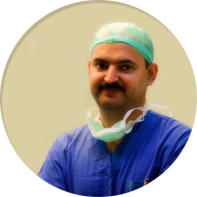
DOSS India is amongst the recognized center for Obesity, Morbid Obesity , Hernia surgery and Gall stone surgery by means of laparoscopy located in Pune (Maharashtra- India). It primarily aimed at providing services to reduce obesity by means of weight loss, restore ideal body weight, and cure obesity-related disorders such as Type II diabetes, joint pain, high blood pressure, PCOD and many more.

It is the only IEF(International Excellence Federation) certified facility in Pune headed by a Team of enthusiastic and energetic duo – Dr Neeraj Rayate and Dr. Satish Pattanshetti., it is all set to raise standards of excellence in Obesity and Morbid Obesity treatments & cure. IEF is an International Organization that supports Bariatric surgeons across the globe for updated inputs on latest Technology, Research, Developments, Techniques and Procedures. It has a Specific Code of Conduct for Standard Clinical pathways from Pre to post Operative procedures and Handling complication & revision procedures.

Other Services:-

At DOSS apart from Bariatric and Metabolic surgeries, Its health care verticals span from diagnostics, primary care, day care and many more to offer a wide range of Laparoscopic surgical & clinical services – to diagnose, treat and cure cases of appendicitis, removing the gallbladder to treat gallstones, repairing hernias by open hernia surgery, 3 D mesh system or by laparoscopic hernia surgery using 3D mesh for hernia.

Team DOSS is expert in obesity in women, and does lot of work in fat reduction, abdominal obesity reduction and weight loss.

Laparoscopic surgery is a very common medium of surgery and is generally regarded as safe.

The advantages of minimally invasive surgery are:

  • Less post-operative pain,
  • Reduced risk of Infection,
  • Very tiny incisions,
  • Minimal blood loss,
  •  Shorter hospital stays,
  • Quick Recovery for resuming normal activities.
  • A leading Center of Excellence in Bariatric and Laparoscopic GI Surgeries based in Pune, India
  • Only IEF(International Excellence Federation) certified facility in Pune and Western Maharashtra. IEF is an International Organization based at Taiwan that supports Bariatric surgeons across the globe via updated inputs on latest Technology, Research, Developments, Techniques and Procedures. IEF follows a Specific Code of Conduct for Standard Clinical pathways from Pre to post Operative procedures and Handling complicated revision procedures.
  • Expert Center for treating morbid obesity and permanently cure/ reverse obesity-related diseases such as type II diabetes, joint pain, high blood pressure, sleep disorders, infertility induced by obesity, etc. with a large number of patients treated across Pune and Maharashtra.
  • Our unique EMI facility for financing Bariatric surgery in Pune, On-time consultation assurance and Free of cost post surgery support- to help maintain weight loss for decades to come- are hallmark features of our center.
  • Eminent Laparoscopic GI Surgery Center offering comprehensive diagnosis, minimally invasive treatment and cure for appendicitis, gallstones, hernia (with option of 3D mesh), colorectal diseases etc. In Laparoscopic surgery, miniature incisions are made and thus there is minimal blood loss, reduced risk of infection, minimal post-operative discomfort, shorter hospital stay and speedy recovery compared to open surgeries.
  • DOSS is available at multiple locations at Pune for patient convenience, our practice locations include the prestigious Ruby Hall Clinic Main Campus on Station Road, Ruby Hall Clinics at Hinjewadi and Wanowarie, MJM Hospital Shivajinagar and 7 Orange Hospital Chinchwad.
DOSS is founded by Dr. Satish Pattanshetti and Dr. Neeraj Rayate- leading minimally invasive, obesity and metabolic surgeons of India, who have operated on a large number of patients across Maharashtra. DOSS is a team of top-notch surgeons and multi disciplinary clinicians complementing one another to ensure the best clinical outcomes to each one of our patients and to raise treatment excellence for Obesity and Morbid Obesity.

Dr. Satish Pattanshetti – Bariatric Surgeon in Pune

(Laparoscopic Bariatric & Metabolic Surgeon) M.B.B.S (Seth G.S. Medical College & K.E.M. Hospital, Mumbai) M.S (B.J. Medical College, Pune) Fellow in Minimal Access Surgery from A M A S I Fellow in Bariatric and Metabolic Surgery from E-Da Hospital, Taiwan Dr Pattanshetti is the Founder of DOSS and a leading Bariatric and GI Minimally invasive surgeon. He is also an expert in single incision laparoscopic obesity surgery who has so far operated on more than 1000 patients. Dr Pattanshetti’s academic landmarks include:
  • Publishing his Bariatric experience in internationally reputed journal “Obesity Surgery”,
  • Presenting scientific paper and poster at San-Diego US at ASMBS world congress on resolving Type 2 diabetes in low BMI patients with Bariatric Surgery and 2 year results of his patients respectively.
  • Co-authoring a chapter on scarless Bariatric Surgery with world renowned Bariatric Surgeon Dr C K Huang who is also the Bariatric mentor of Dr Pattanshetti.
Dr Pattanshetti is a distinguished faculty at
  • MUHS (Maharashtra University of Health Sciences) for Basic Course in Laparoscopic Skills for PG students and Practitioners.
  • Johnson & Johnson Institute for MIPH and Laparoscopic Surgery skills
  • Various international, national and state congresses and workshops from time to time in Bariatric, Metabolic and Laparoscopic Surgery training.

Dr. Neeraj V Rayate – Bariatric Surgeon in Pune

(Laparoscopic & Robotic Surgeon) M.B.B.S. (Dr. V. M. Medical College, Solapur) M.S. (Government Medical College & Civil Hospital, Sangli) DNB Surgery (Sir Gangaram Hospital, Delhi) Fellowship in GI and Onco Surgery (Athens Medical Center, Greece) Fellowship in Gynae Endoscopy (Giessen School of Endoscopic Surgery, Germany) Training in Robotic Surgery (Galaxy Care Hospital, Pune) Dr Rayate is Co-Founder of DOSS and Head of Laparoscopic, Robotic and Bariatric Surgery Unit at Ruby Hall Clinic, Pune. Dr Rayate is an author of several books, publications and paper presentations on laparoscopy and robotic surgery. Dr Rayate’s academic achievements include:
  • Video presentation at European Association of Endoscopic Surgery Meeting at Berlin, Germany
  • Best Video Presentation Award at ELSA (Endoscopic Laparoscopic Surgeons of Asia)
  • Co-author of several books and chapters in robotic surgery, laparoscopy and novel surgical techniques
  • 1st and 2nd prize winner of several scientific paper presentations at national and state surgical conferences in recognition of his novel treatments, findings and experiences.
Dr Rayate has been an invited faculty at:
  • Indo- German course in Laparoscopic Surgery, Germany
  • Johnson & Johnson Institute for MIPH and Laparoscopic Surgery skills
  • More than 25 conferences and workshops across India in Bariatric, Metabolic and Laparoscopic Surgery.

The DOSS Multi-disciplinary Team consists of:
  • A specialist weight loss surgery clinical nurse
  • A dietitian experienced in providing dietary advice to weight loss surgery patients
  • Anaesthetists with experience of handling overweight patients with co-morbidities (eg sleep apnea).
  • A clinical psychologist and counselor to help patients address pre and post surgery journey smoothly

We Cut Surgery Time by Half:

Surgeons at DOSS are known for their expertise in complicated obesity, revision and laparoscopic surgeries. Every patient has a personal consultation with the independent surgeon.

During surgery, team of Dr Pattanshetti and Dr Rayate, two advanced laparoscopic surgeons, work together for each surgery. Thus, reducing the time taken for each surgery by half and creating a superior outcome than in a single surgeon centre.

Our Personalized Care

Patients go through an individual assessment with all DOSS Team members so that the DOSS team can understand each patient’s specific needs and prepare him or her well for the transformed life as a result of surgery. Such specialized attention helps patients achieve their desired goal of sustained weight loss and improved quality of life in the long run.

Comprehensive Offerings:

Besides Bariatric surgery, DOSS offers healthcare services in diagnostics, primary care, day care and a wide range of Laparoscopic surgical clinical services.

Consult one of our surgeons to understand the specifics of the procedures and determine the procedure most appropriate for you.

Location as per your choice

Schedule the surgery at a location convenient to you to eliminate the discomfort of long travel post-surgery. Visit our partners’ page to determine the hospitals as per your convenience and budget.

Robust Support Program from the first appointment to after-care:

At DOSS your dietitian will structure a diet plan, based on your pre-surgery dietary pattern. After surgery, your dietitian will guide you to help you manage your diet.

Your package includes appointments with your surgeon and specialist weight loss coordinator and a dedicated telephone number to access support after surgery for life time.

Mission

Provide quality and compassionate patient-centered care that focuses on the physical remedy as well as peace of mind and heart.

Develop a comprehensive, multidisciplinary program, tailor-made to suit individual needs, to address the issues related to digestive diseases, and obesity disorders,

Educate and support patients to enable them to successfully incorporate lifestyle changes towards an improved state of health

Vision

To be the center of choice for patients suffering from diabetes and other endocrine and metabolic diseases, digestive diseases, nutritional disorders and obesity, through preeminent patient care, clinical outcomes, affordable excellence, education and support.

Values

We Do the Kind Thing

Every DOSS member endeavors to impact the lives of the patients and families in our care. We treat those we serve and each other with kindness and compassion and strive to better understand the needs of a diverse community and respond accordingly.

We Do the Safe Thing

At DOSS we recognize that patients and families have placed their lives and health in our hands. Our first priority – and the rule of medicine – is to protect them from harm. We strive hard to maintain the highest safety standards a to deliver high-quality care in a safe and secure workplace.

We do the Best Thing

In DOSS, only the best will do. Our team combines skill, experience, advanced technology and best practices to provide the highest-quality care for our patients and their families. We devote ourselves to continuous improvement, excellence, professionalism and innovation in our work.

We Do the Right Thing

Our actions tell the world what DOSS stands for. We act ethically and responsibly and hold ourselves accountable for our behavior. We are committed towards bringing respect, openness and honesty in our encounters with patients, families and among our coworkers and support the well-being of the communities we serve.