
Posts

Nausea and cramps after gastric balloon placement

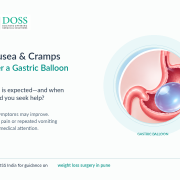
Nausea and Cramps After a Gastric Balloon: What Is Expected and When Should You Seek Help?

Feeling sick or experiencing stomach cramps after gastric balloon placement can be unsettling. You may wonder whether your stomach is adjusting normally or whether something needs medical attention.

Nausea, cramps and some vomiting can occur during the first few days. However, repeated vomiting, difficulty keeping fluids down or severe pain should not be dismissed as normal adjustment. How severe your symptoms are, whether they are improving and your ability to stay hydrated matter more than the number of days since placement. Mayo Clinic

Why Can a Gastric Balloon Cause Nausea and Cramps?

A gastric balloon occupies space inside the stomach and can slow stomach emptying. Your stomach needs time to adapt to its presence, which may initially cause nausea, fullness, bloating or cramping.

A balloon is a temporary weight-management device. It does not involve removing part of the stomach or rerouting the intestine. Even though it differs from bariatric surgery, it still requires medical supervision and a structured aftercare plan.

Your team may prescribe medicines for nausea, acidity and discomfort. Follow these instructions carefully, and report symptoms that are difficult to control.

What Is Expected During the First Few Days?

Early symptoms can include waves of nausea, intermittent cramps, earlier fullness and some vomiting. These symptoms commonly improve over the first few days, although the adjustment period varies.

A reassuring pattern is gradually improving comfort and an increasing ability to tolerate the fluids allowed in your plan. Mild symptoms should remain manageable with the treatment your team recommends.

There is no need to wait until a certain day before asking for help. Symptoms that become stronger, prevent drinking or return after you had been feeling better need prompt assessment.

How Can You Manage Mild Symptoms Safely?

Your balloon team’s instructions should guide your food, fluids and medicines. Dietary schedules vary, so avoid copying another patient’s plan.

Helpful measures commonly include:

  • Take small, frequent sips: Avoid drinking a large glass quickly.
  • Follow the prescribed food stages: Progress from liquids to other textures only as advised.
  • Keep portions small: Stop when you feel full instead of finishing a planned portion.
  • Eat slowly: Once food is allowed, chew thoroughly and avoid rushing.
  • Avoid fizzy drinks: They can increase bloating and discomfort.
  • Remain upright after eating: Avoid lying down immediately after meals.

These habits can reduce food-related discomfort, but they should not be used to manage severe pain or persistent vomiting at home. nth.nhs.uk

Take prescribed medicines as directed. If you vomit after a dose, ask your team what to do rather than automatically taking another dose.

When Should You Contact Your Balloon Team?

Contact your treating team promptly, without waiting for a routine appointment, if:

  • Vomiting repeatedly prevents you from keeping fluids down.
  • Nausea or cramps remain difficult to control despite prescribed treatment.
  • Symptoms are worsening or return after initial improvement.
  • You develop dark urine, pass less urine or feel persistently dizzy when standing.
  • You cannot tolerate essential prescribed medicines.

Vomiting and reduced fluid intake can cause dehydration. Dry mouth, unusual tiredness and light-headedness may also be warning signs. Significant dehydration may require treatment that cannot be provided through drinking alone. NHS

When calling, explain when the balloon was placed, how often you are vomiting, how much you can drink and when you last passed urine. These details help the team assess urgency.

Which Symptoms Need Emergency Assessment?

Seek urgent hospital assessment for severe or persistent abdominal pain, especially pain spreading to the back, marked abdominal swelling or difficulty breathing. Vomiting blood, black tarry stools, fainting or confusion also need emergency attention.

Rare complications include balloon overinflation, inflammation of the pancreas, bleeding, perforation or a blockage if a deflated balloon moves into the intestine. Symptoms alone cannot establish which problem is present.

The FDA has reported severe abdominal pain, swelling, vomiting and breathing difficulty with balloon overinflation, and severe abdominal and back pain with pancreatitis. These problems can occur beyond the initial adjustment period. FDA

Tell the emergency team that you have a gastric balloon. Bring your device details and medicine list if available, but do not delay seeking care to find them.

What Happens if You Cannot Tolerate the Balloon?

Persistent symptoms deserve assessment rather than pressure to “push through.”

Your doctor may review hydration, medicines and food tolerance, and arrange investigations when needed. Some patients require additional treatment or early balloon removal if symptoms remain uncontrolled or a complication develops.

Early removal is a medical decision, not a personal failure. Your longer-term weight-management plan can be reviewed once the immediate problem is addressed. Keep follow-up appointments and follow the removal schedule for your particular device.

Frequently Asked Questions

How long should nausea last after balloon placement?

It often improves within a few days, but experiences vary. Contact your team if symptoms persist or are difficult to manage. Seek help sooner for repeated vomiting, severe pain or difficulty drinking.

Does vomiting mean the balloon is working?

No. The aim is to support earlier fullness and smaller portions. Vomiting is a side effect that needs attention when repeated, severe or affecting hydration.

What if my urine turns blue or green?

Some balloons contain a coloured dye that may change urine colour if the balloon leaks. Contact your balloon team immediately if this occurs. Not every device contains dye, so normal urine colour does not rule out a problem. South Tees Hospitals NHS Foundation Trust

Get Guidance for a Safer Recovery

Mild early symptoms may settle, but severe pain and difficulty staying hydrated need prompt attention.

If you are comparing gastric balloon treatment with weight loss surgery in pune, consult DOSS India to understand the differences, suitability and aftercare each option requires.
Weight Loss Surgery in Pune

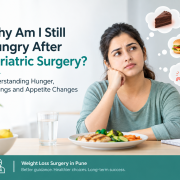
Why Am I Still Hungry After Bariatric Surgery? Understanding Hunger, Cravings and Appetite Changes

Why Appetite Can Return After Surgery

Many people expect hunger to disappear completely after bariatric surgery. When appetite returns, they may worry that the operation has failed or that their stomach has stretched. In most cases, feeling hungry does not automatically mean either of these things.

Weight loss surgery changes the digestive system and can influence how much food you can eat, how quickly you feel full and how the gut communicates with the brain. However, it does not remove every biological, emotional or environmental reason for wanting food. Appetite also differs from one person to another and may change as the body heals.

Understanding whether you are experiencing physical hunger, a craving, a learned habit or a medical concern is the first step towards responding safely.

How Does Weight Loss Surgery Affect Hunger?

The National Institute of Diabetes and Digestive and Kidney Diseases explains that bariatric surgery makes changes to the digestive system to support weight loss. Depending on the procedure, it may reduce stomach capacity, change the route of food or affect signals linked with appetite and blood sugar control.

Hunger is regulated by more than stomach size. The brain, digestive tract, hormones, sleep, stress, medicines, meal pattern and food environment can all influence appetite.

For example, ghrelin is associated with meal initiation and hunger, while GLP-1 and PYY contribute to fullness. A systematic review and meta-analysis published in Annals of Surgery examined 28 studies involving 653 people after sleeve gastrectomy. On average, fasting ghrelin decreased while GLP-1 and PYY increased. These findings help explain why appetite often reduces after surgery, but they do not mean that every person will have the same response or that hunger will remain absent permanently.

As recovery progresses and regular foods return, hunger may become easier to notice. This can be a normal part of adjustment. What matters is the pattern, intensity, associated symptoms and effect on eating or weight.

Physical Hunger, Cravings and Head Hunger Are Different

Physical hunger usually builds gradually and may be satisfied by several suitable foods. You may notice an empty feeling, lower energy or reduced concentration, especially when there has been a long gap between meals.

A craving is usually a strong desire for a particular food, even when the body may not need energy. The American Heart Association notes that cravings differ from hunger and can be triggered by food cues, habits and the brain’s reward pathways. Smell, advertisements, social situations, boredom or an old routine can therefore create a desire to eat after weight loss surgery.

Some people call this “head hunger.” It is not imaginary and it should not be treated as a lack of willpower. It simply means the urge may be driven more by thoughts, emotions or cues than by a physical need for food.

A helpful question is: “Would I eat the balanced meal planned by my bariatric team right now, or do I want only one specific food?” This is not a medical test, but it can help you pause and identify the likely trigger.

Common Reasons You May Still Feel Hungry After Bariatric Surgery

  1. Your meals may be low in protein. Protein supports healing and muscle maintenance and can make meals more satisfying. The American Society for Metabolic and Bariatric Surgery states that many programmes recommend 60 to 100 grams of protein daily, depending on the patient. Your own target should always come from your bariatric dietitian or surgeon.
  2. You may be relying on soft or liquid calories. Sweet drinks, high-calorie coffee, desserts and foods that break down quickly may pass through the stomach more easily than a structured meal. They can add energy without creating the same lasting fullness.
  3. Meals may be too small, rushed or irregular. Missing planned meals can lead to strong hunger later. Eating quickly may also make it harder to recognise early fullness. The right portion and schedule depend on your procedure, recovery stage and diet plan.
  4. Thirst may be adding to the urge to eat. Hydration can be difficult after surgery because fluids must be taken gradually. ASMBS advises patients to focus on adequate fluid intake, but the exact amount and timing should follow the treating team’s instructions.
  5. Old eating cues may still be active. Watching television, ordering food at a usual time, seeing snacks at work or eating during stress can restart familiar behaviour even when the stomach is not physically empty.
  6. Your appetite or health needs may have changed. Medicines, poor sleep, emotional distress, blood sugar changes and some medical or surgical issues can affect appetite. A sudden or persistent change deserves professional assessment rather than self-diagnosis.

What Can Help You Manage Hunger Safely?

  • Follow the meal structure given by your bariatric team and do not copy another patient’s diet.
  • Begin meals with the recommended protein food, then include vegetables, fruit or other foods as allowed in your current stage.
  • Eat slowly, chew thoroughly and pause between bites so you can notice fullness.
  • Keep calorie-containing drinks and frequent grazing from quietly replacing balanced meals.
  • Record the time, food, emotion and situation when hunger appears. A short diary can reveal repeated triggers.
  • Build non-food responses to stress or boredom, such as a short walk, breathing practice, calling someone or changing your surroundings.
  • Attend scheduled reviews with the surgeon and dietitian, even when weight loss is progressing well.

Do not sharply reduce food, skip meals for long periods or begin supplements or weight-loss medicines without professional advice. After weight loss surgery, nutritional needs and medicine absorption can differ from those of someone who has not had surgery.

When Should Hunger Be Discussed With Your Bariatric Team?

Arrange a review if hunger is intense, appears soon after every meal, leads to repeated loss-of-control eating or is accompanied by weight regain. Your team can review food quality, portion size, meal timing, hydration, emotional triggers, medicines and the type of operation you had.

Seek medical advice promptly if the feeling you call hunger comes with repeated vomiting, difficulty swallowing, persistent reflux, worsening abdominal pain, faintness or an inability to keep fluids down. Hunger with sweating, shaking, weakness or dizziness after eating also needs assessment because low blood sugar is one possible cause.

Long-term review is part of treatment, not a sign of failure. ASMBS recommends regular follow-up because obesity is a chronic condition and some patients may need additional nutritional, behavioural, medical or surgical support over time.

Frequently Asked Questions

1. Is it normal to feel hungry after bariatric surgery?

Yes, some hunger can be normal, especially as healing progresses and regular foods are reintroduced. Weight loss surgery often reduces appetite, but it does not guarantee that hunger will disappear. Speak with your bariatric team if hunger is sudden, severe, constant or affecting your weight-loss progress.

2. Does feeling hungry mean my stomach has stretched after weight loss surgery?

Not necessarily. Hunger alone cannot show whether the stomach or surgical connection has changed. Low-protein meals, liquid calories, long gaps between meals, cravings and emotional eating can all make hunger more noticeable. A clinician may recommend dietary review, tests or endoscopy only when the history and symptoms suggest that these are needed.

3. How can I control cravings after bariatric surgery?

First identify whether the urge is physical hunger or a desire for one specific food. Follow your planned meals, prioritise protein, reduce exposure to trigger foods and keep a brief food-and-mood diary. If cravings feel difficult to control or are linked with binge eating, anxiety or low mood, ask for support from a bariatric dietitian or qualified mental health professional.

Get Individual Guidance From DOSS India

DOSS India provides evaluation and follow-up support for people considering or living with bariatric treatment. If persistent hunger, cravings or appetite changes are affecting your progress, the team can review your eating pattern, symptoms, weight trend and previous procedure before suggesting appropriate nutritional, behavioural or medical next steps. People exploring Weight loss surgery in Pune can also receive personalised guidance about available options, expected lifestyle changes and long-term follow-up. Results and treatment needs vary from person to person.

This article is for general education and does not replace personal medical advice, diagnosis or treatment.

#weightlosssurgery #bariatricsurgery #bariatricnutrition #appetitecontrol #obesitycare #weightlossjourney #punehealth

Debunking Common Myths Of Bariatric Surgery

Debunking Common Myths Of Bariatric Surgery

, , , , , , , ,

Bariatric surgery, or weight loss surgery, is a long-term treatment for weight loss and its comorbidities. In this article, we’ll try to bust some common myths about bariatric surgery.

Myth #1– In Weight loss surgery fat is removed from the body during the procedure

Fact – Weight Loss surgery is an internal abdominal surgery that is performed by using a laparoscope. It involves reducing the stomach’s capacity and the absorptive length of small intestine, resulting in a caloric deficit and weight loss.
This weight loss is gradual and occurs over the course of a year, as a result of fat burning by hormonal and metabolic adjustments in the body. In weight loss surgery procedure there is no immediate weight loss or fat removal. However, On the other hand weight loss surgery helps in maintaining the weight for long time and It prevents weight regain and also helps in reversing of many metabolic conditions like hypertension, diabetes, and metabolic syndrome.

Myth #2– Weight loss surgery is painful

Fact – Weight loss surgery is a laparoscopic procedure that is done under general anaesthesia. During the procedure patient is unconscious and totally unaware. There is mild pain after surgery that is tolerable and controlled with pain relievers, and it goes away in 1-2 days. Within a week of the treatment, patients are usually able to resume their normal routine and are totally pain free at that time.

Myth #3– Weight loss surgery is risky

Fact – Weight loss surgery or bariatric surgery is an elective surgery and the risk associated with bariatric surgery is the same as for any other elective surgery like a cholecystectomy or a Caesarean section. The surgery is done by the minimally invasive route and makes use of various high-tech devices like staplers which make the surgery quick and painless. This also decreases the chances for human error and increases the safety of the procedure. This also reduces the risk for human error and increases the safety of the procedure.

Myth #4–Weight loss surgery may result in weakness or extra weight loss

Fact – Weight loss surgery is a long-term weight management procedure. It causes a caloric deficit in the body which activates the hormones that helps the body burn fat. Within 12-18 months, typically 60-90 percent of the excess weight is lost gradually and consistently.

Due to the reduced ability for taking food, there may be a risk for protein and vitamin deficiency which can be avoided by taking adequate supplements for 6-12 months after the surgery. There is a very small chance of gaining weight after weight loss surgery, and this is particularly common in malabsorption surgeries like gastric bypass and in persons who don’t take the needed vitamins.

Myth #5– Weight loss surgery may impair family life or fertility

Fact – Many metabolic problems associated with obesity, such as PCOD and infertility, can be corrected by weight loss surgery. It helps in the regularisation of menstrual cycles and the resolution of PCOD in women, as well as increasing the chances of a normal conception. For Males,  Weight loss surgery improves sperm count and natural libido due to increased testosterone levels. As a result, weight loss surgery may be regarded as a fertility enhancer procedure rather than the contrary.